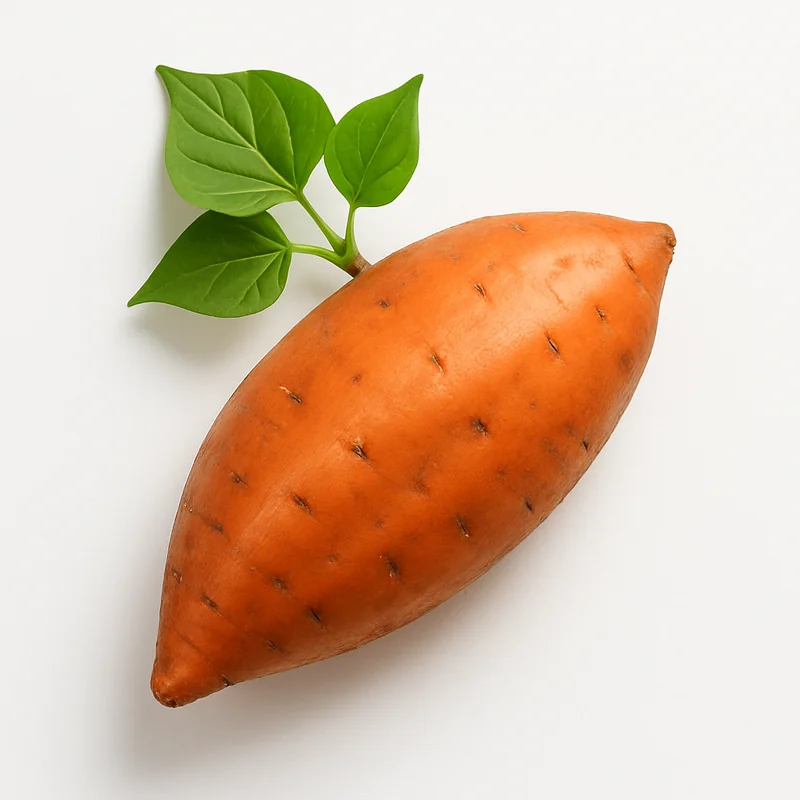
Sweet Potato
ScoreA
Sweet potato is a starchy root vegetable exceptionally rich in beta-carotene (provitamin A) and fiber, providing sustained energy with a low glycemic impact when boiled.
Why Sweet Potato scores 89
% Daily Value per ½ cup (85 g)
Nutrition
per 100 g
Health benefits
Reduced cardiovascular disease and mortality risk
strong evidenceHigh beta-carotene and other carotenoids reduce oxidative stress and endothelial dysfunction, while potassium (475mg/100g) supports healthy blood pressure regulation
Improved glycemic control and reduced type 2 diabetes risk
moderate evidenceSoluble fiber (pectin) slows glucose absorption, and compounds like chlorogenic acid improve insulin sensitivity
Enhanced gut microbiota diversity and colonic health
moderate evidenceResistant starch formed in cooled sweet potato acts as prebiotic, selectively feeding beneficial Faecalibacterium prausnitzii and Roseburia species
Reduced age-related cognitive decline
moderate evidenceCarotenoids and choline (13.1mg/100g) support neuronal membrane integrity and reduce neuroinflammation linked to Alzheimer's pathology
Support for bone health and mineral absorption
moderate evidenceManganese content activates osteoblasts (bone-forming cells) and supports collagen synthesis; moderate potassium aids mineral retention
Pairs well with
- ·Pair with olive oil or avocado because fat-soluble carotenoids (beta-carotene, lutein) require dietary lipids for optimal intestinal absorption and bioavailability
- ·Combine with leafy greens (spinach, kale) because the vitamin K in greens complements sweet potato's potassium and fiber for enhanced cardiovascular and bone support
- ·Eat with black beans or lentils because plant-based proteins increase amino acid completeness while legume polyphenols synergize with sweet potato carotenoids for anti-inflammatory effects
- ·Pair with fermented foods (sauerkraut, kimchi) because cooled sweet potato's resistant starch feeds probiotic populations from fermented foods, amplifying microbiota benefits
Practical tips
- ·Best timing: Sweet potato's balanced carbohydrate-to-fiber ratio (3:1 carbs:fiber) provides sustained energy appropriate for any meal. For glycemic control, pairing with protein and fat is more important than timing; however, including cooled sweet potato with lunch or dinner optimizes resistant starch benefits as the microbiota peaks in activity in late afternoon/evening.
- ·Cool cooked sweet potato to room temperature or refrigerate for 12+ hours to maximize resistant starch formation, which provides prebiotic effects and lowers glycemic impact
- ·Choose orange-fleshed varieties for highest beta-carotene content (up to 1000+ μg/100g), or purple varieties for additional anthocyanins; store in a cool, dark place (not refrigerated) for 2-3 weeks
- ·Boil instead of bake to better preserve heat-sensitive vitamin C and reduce acrylamide formation; aim for 15-20 minute boil to retain firmness
- ·Include skin in preparations when possible (after thorough washing), as the peel concentrates fiber and contains additional polyphenols
- ·Consume with adequate fat (1-2 tsp olive oil or 1/4 avocado) at same meal to maximize carotenoid absorption by up to 6-fold
Related foods
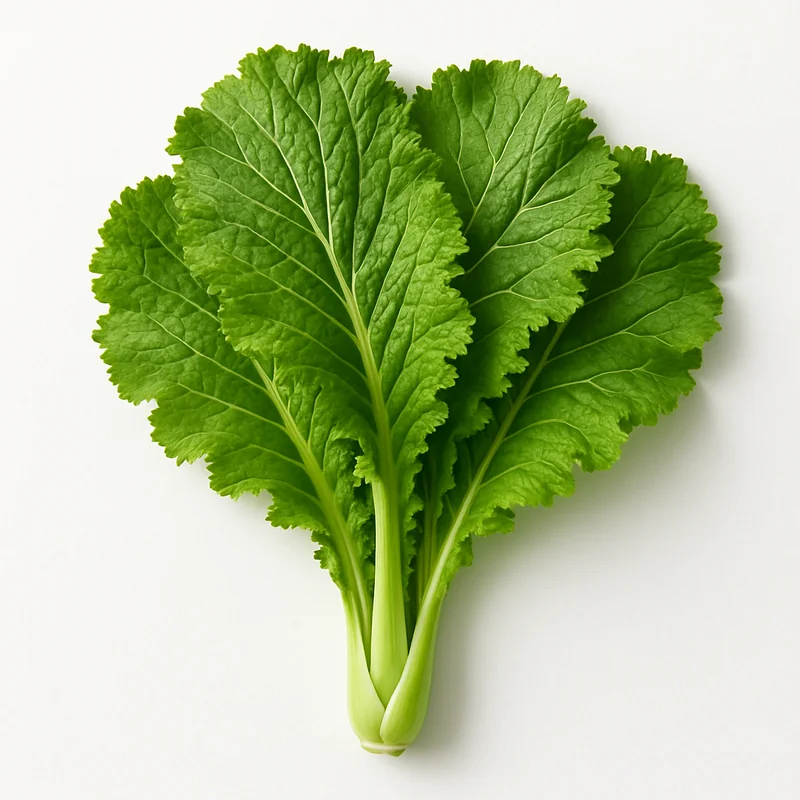
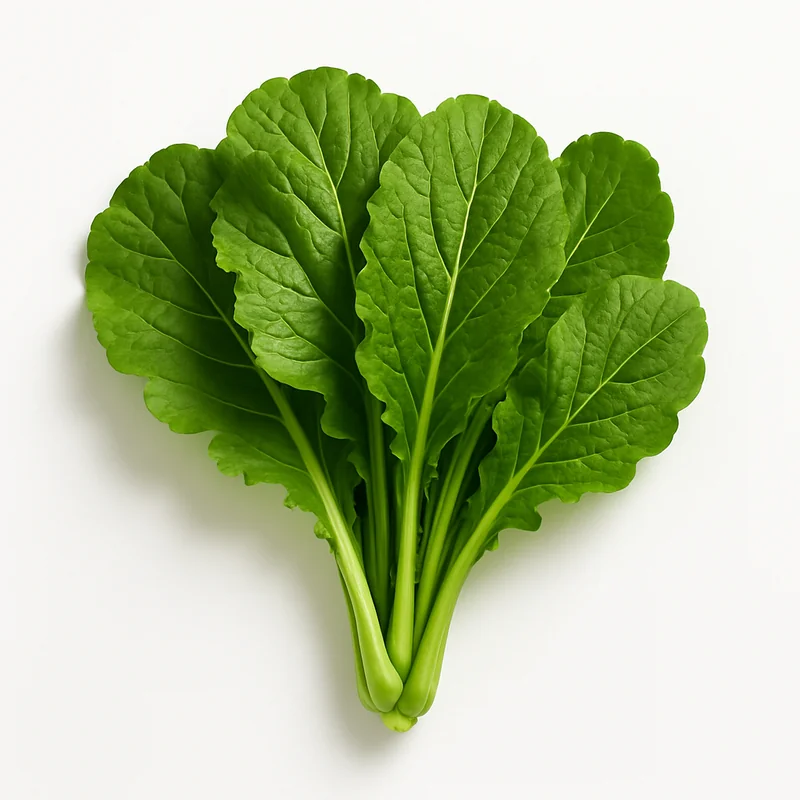
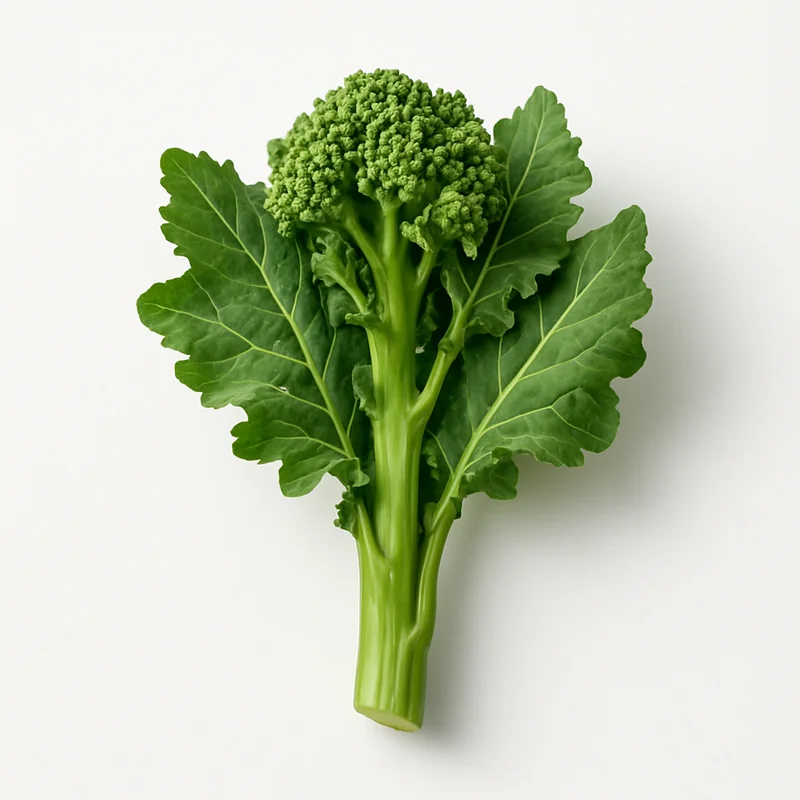
What is Sweet Potato actually covering?
See which nutrients your diet already delivers and which ones your supplements still need to — food and pills measured on the same scale.
Check my nutrients2 questions · free · no account needed to start
Also on iPhone — get the free app
Evidence-based supplement guides, no spam
We send a short digest when new guides drop — nothing else. No affiliate pushes, no sponsored content, unsubscribe anytime.