Celtuce
ScoreA+
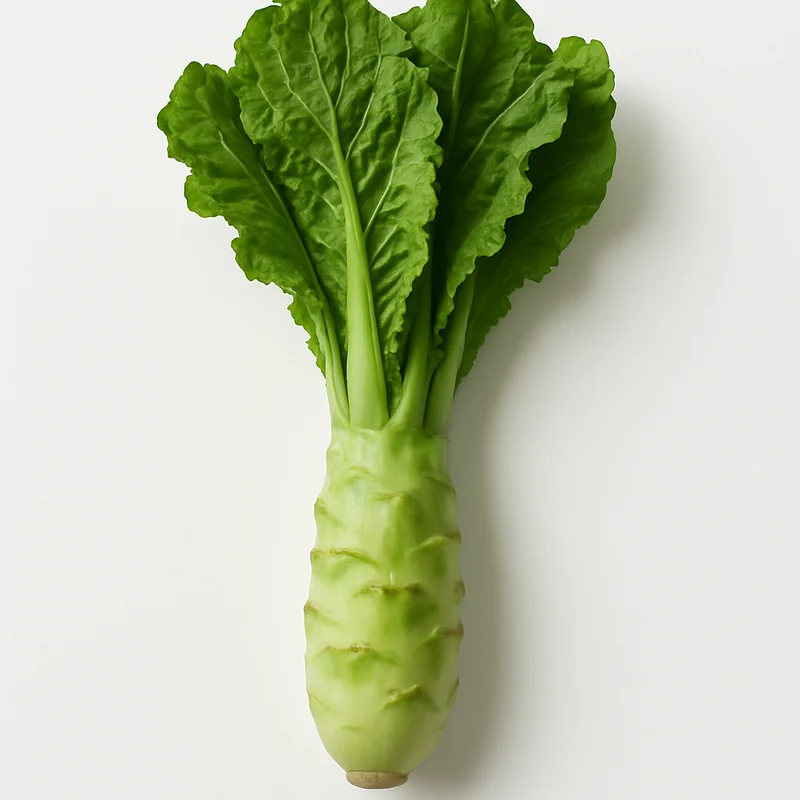
Celtuce is a leafy Asian vegetable combining lettuce and celery characteristics, providing low-calorie nutrition rich in potassium, vitamin A, and folate for cellular health.
Why Celtuce scores 93
% Daily Value per ½ cup (85 g)
Nutrition
per 100 g
Health benefits
Cardiovascular support through potassium-rich profile and folate
strong evidencePotassium regulates vascular tone and sodium balance while folate reduces homocysteine, an independent cardiovascular risk factor
Enhanced satiety and weight management without caloric burden
moderate evidenceHigh water content (95%) combined with dietary fiber promotes fullness signals while maintaining extremely low caloric density
Ocular health protection through carotenoid content
moderate evidenceBeta-carotene and lutein accumulate in the retina and macula, protecting against age-related macular degeneration
Anti-inflammatory effects from sesquiterpene lactones
emerging evidenceLactucin and related compounds modulate inflammatory pathways and may reduce systemic inflammation markers
DNA integrity and methylation support via folate
strong evidenceFolate serves as methyl donor in one-carbon metabolism, supporting epigenetic regulation and genomic stability
Pairs well with
- ·Pair with olive oil because fat-soluble carotenoids (vitamin A) require dietary lipids for optimal absorption
- ·Combine with B12-rich foods (fish, eggs, fortified plant foods) since folate and B12 work synergistically in one-carbon metabolism
- ·Mix with sulfur-containing vegetables (garlic, onions, cruciferous greens) for additive anti-inflammatory and antioxidant effects
- ·Serve with vitamin C sources (citrus, tomatoes, peppers) to enhance iron bioavailability and support antioxidant recycling
Practical tips
- ·Best timing: midday
- ·Select firm stems without browning or wilting; store in refrigerator crisper drawer wrapped in damp paper towels for up to 7-10 days
- ·Peel the outer layer of the stem to access the tender, crisp interior; both stem and leaves are edible and nutritious
- ·Consume raw in salads to preserve heat-sensitive vitamin C and folate; light steaming (2-3 minutes) is acceptable if preferred
- ·Choose organic when possible to minimize pesticide residues on leafy portions; rinse thoroughly under running water before consumption
- ·Include celtuce regularly (3-4 servings weekly) as part of diverse vegetable intake to optimize micronutrient intake without exceeding caloric targets
Related foods
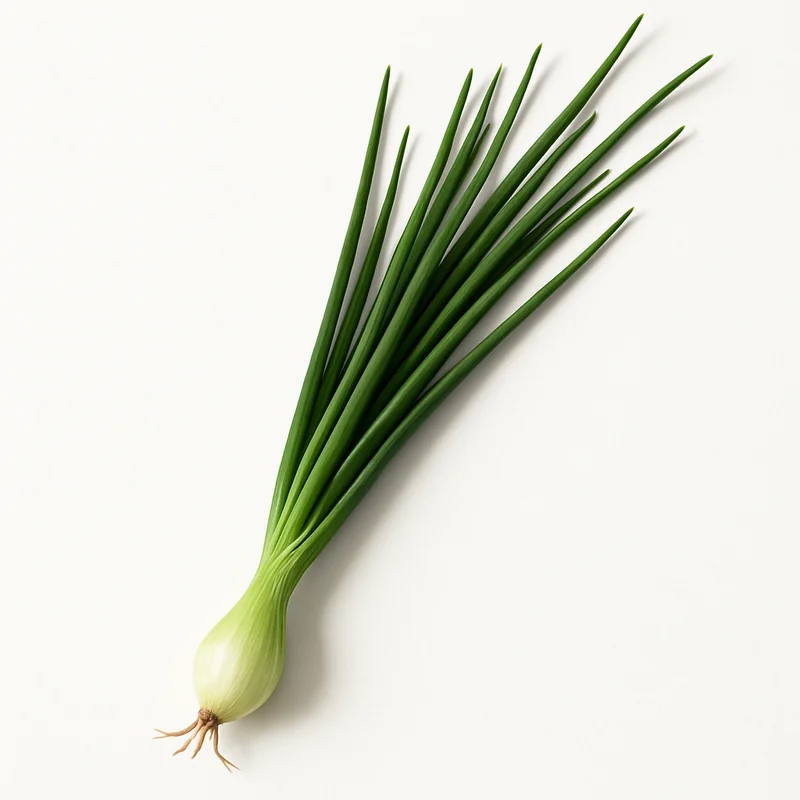
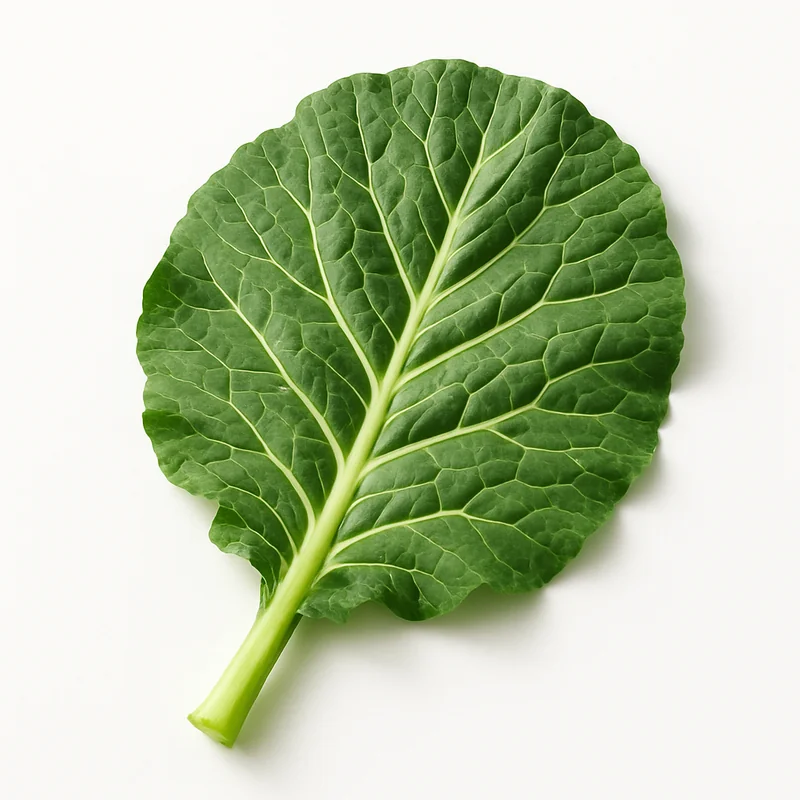
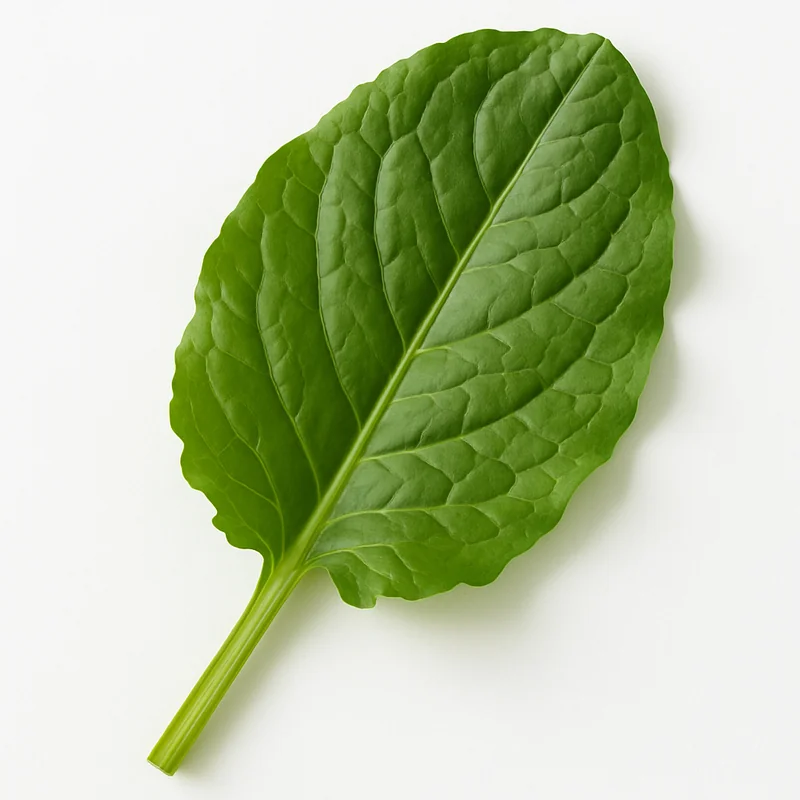
What is Celtuce actually covering?
See which nutrients your diet already delivers and which ones your supplements still need to — food and pills measured on the same scale.
Check my nutrients2 questions · free · no account needed to start
Also on iPhone — get the free app
Evidence-based supplement guides, no spam
We send a short digest when new guides drop — nothing else. No affiliate pushes, no sponsored content, unsubscribe anytime.