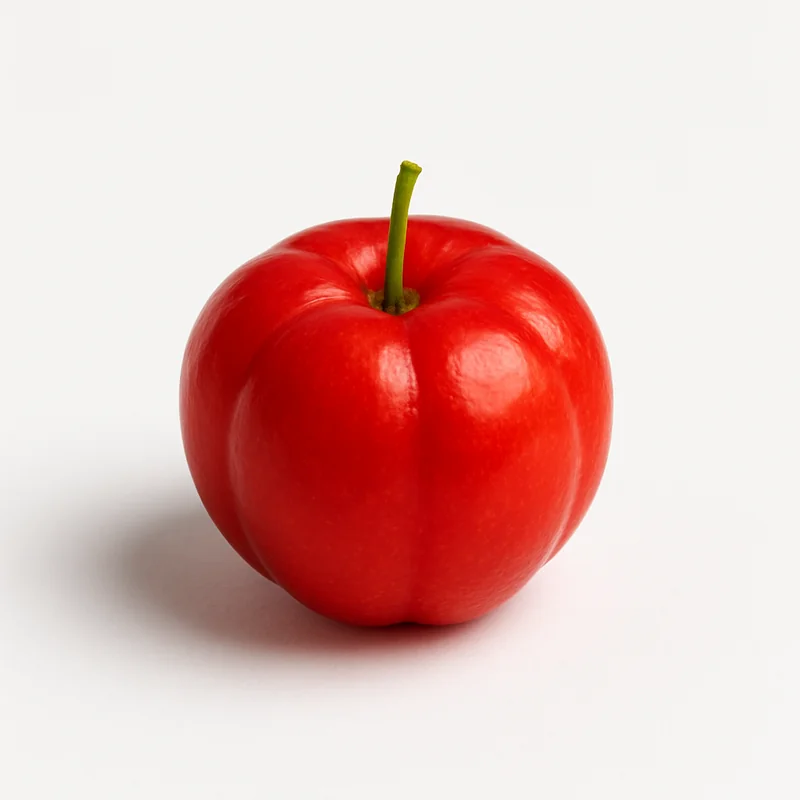
Acerola
ScoreA+
Acerola is a tropical cherry native to Central and South America with extraordinarily high vitamin C content—over 50 times more per gram than oranges. This nutrient-dense fruit is prized for immune support and antioxidant protection.
Why Acerola scores 92
% Daily Value per 1 medium (140 g)
Nutrition
per 100 g
Health benefits
Enhanced immune function and reduced infection risk
strong evidenceVitamin C supports neutrophil and lymphocyte function, improves antibody production, and strengthens epithelial barriers; the fruit's polyphenols provide additional antimicrobial and immunomodulatory effects
Protection against oxidative stress and cellular aging
strong evidenceExceptionally high vitamin C and anthocyanin content neutralize free radicals; vitamin C also regenerates other antioxidants like vitamin E, amplifying antioxidant defense across cellular compartments
Improved collagen synthesis and skin health
strong evidenceVitamin C is an essential cofactor for prolyl and lysyl hydroxylase enzymes required for collagen cross-linking and maturation, supporting skin elasticity and wound healing
Cardiovascular protection through anti-inflammatory pathways
moderate evidencePolyphenolic compounds in acerola reduce pro-inflammatory cytokines and oxidative modification of LDL cholesterol; vitamin C supports endothelial function and vasodilation
Enhanced iron absorption and improved bioavailability of other nutrients
strong evidenceVitamin C reduces ferric iron (Fe³⁺) to ferrous form (Fe²⁺), the more readily absorbed form; acidic compounds enhance mineral solubility throughout the GI tract
Pairs well with
- ·Pair with legumes or red meat because vitamin C dramatically increases non-heme iron absorption, supporting bioavailability of plant-based iron sources
- ·Combine with leafy greens (spinach, kale) because both provide complementary micronutrients and the vitamin C preserves folate stability during digestion
- ·Mix with healthy fats (avocado, nuts, seeds) because fat-soluble vitamins and polyphenols require dietary fat for optimal absorption and utilization
- ·Blend with Greek yogurt or kefir because probiotics may enhance polyphenol metabolism via gut microbiota fermentation, increasing bioactive metabolite production
Practical tips
- ·Best timing: morning
- ·Purchase acerola powder or frozen fruit for year-round access and stable nutrient retention; freeze-dried forms preserve vitamin C better than sun-dried varieties
- ·Consume fresh acerola immediately after purchase or within 2-3 days if refrigerated, as vitamin C degrades rapidly with light exposure, heat, and time
- ·Mix acerola powder into smoothies with protein and fat sources rather than consuming alone; this improves polyphenol bioavailability and provides sustained satiety
- ·Avoid heating acerola juice above 40°C (104°F) to preserve heat-sensitive vitamin C; add to beverages after cooling if using in warm preparations
- ·Start with 15-30g of acerola powder daily; excessive vitamin C intake (>2,000 mg/day) may cause gastrointestinal distress or kidney stone risk in susceptible individuals
Related foods
What is Acerola actually covering?
See which nutrients your diet already delivers and which ones your supplements still need to — food and pills measured on the same scale.
Check my nutrients2 questions · free · no account needed to start
Also on iPhone — get the free app
Evidence-based supplement guides, no spam
We send a short digest when new guides drop — nothing else. No affiliate pushes, no sponsored content, unsubscribe anytime.