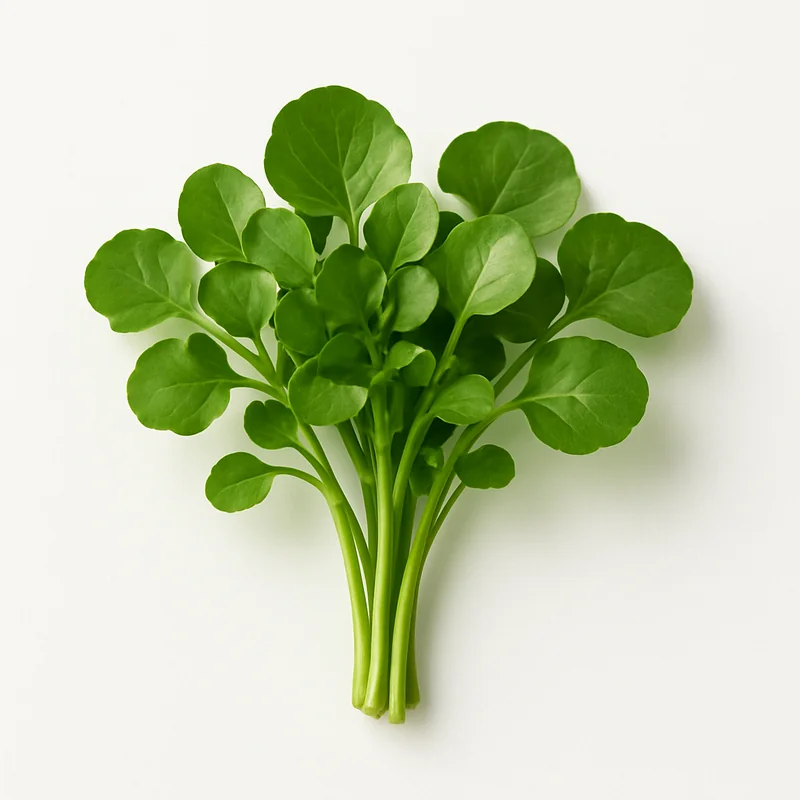
Watercress
ScoreA+
Watercress is a nutrient-dense leafy green with exceptionally high vitamin K content and bioactive glucosinolates, offering potent anti-inflammatory and antioxidant benefits with minimal calories.
Why Watercress scores 93
% Daily Value per ½ cup (85 g)
Nutrition
per 100 g
Health benefits
Supports bone density and cardiovascular health through high vitamin K content
strong evidenceVitamin K activates osteocalcin and other bone proteins essential for mineralization, and carboxylates matrix Gla protein in vessel walls, reducing arterial calcification risk
Reduces oxidative stress through glucosinolate-derived isothiocyanates and phenolic antioxidants
moderate evidenceIsothiocyanates activate phase 2 detoxification enzymes (like sulfotransferases) and upregulate antioxidant response pathways; flavonoids scavenge free radicals directly
Supports vascular health and blood pressure regulation via potassium and nitrate content
moderate evidencePotassium promotes natriuresis and vasodilation; inorganic nitrates are converted to nitric oxide, enhancing endothelial function and reducing systemic vascular resistance
May support cellular defense mechanisms and reduce cancer risk through glucosinolate metabolism
emerging evidenceIsothiocyanates induce apoptosis in cancer cells, inhibit phase 1 carcinogens, and increase expression of detoxification enzymes in hepatocytes
Promotes cognitive and metabolic health through choline and B-vitamin content
moderate evidenceCholine is a precursor for acetylcholine (neurotransmitter) and phosphatidylcholine (membrane component); supports homocysteine metabolism
Pairs well with
- ·Pair with olive oil or avocado because fat-soluble vitamins K and A require dietary lipids for intestinal absorption and hepatic transport
- ·Combine with citrus (lemon, orange) because vitamin C enhances absorption of non-heme iron if watercress is consumed with iron-rich foods, and acid environment optimizes glucosinolate preservation
- ·Eat with cruciferous vegetables (broccoli, cabbage) because they provide complementary glucosinolates and create synergistic phytochemical diversity for broader detoxification enzyme activation
- ·Pair with calcium-rich foods (dairy, fortified plant milks) because watercress contains oxalates that can inhibit calcium absorption; pairing increases net calcium bioavailability
Practical tips
- ·Best timing: Watercress has no stimulating compounds and provides steady micronutrient availability. Consuming at lunch or dinner with fat-containing meals optimizes fat-soluble vitamin absorption. Raw consumption in morning salads preserves glucosinolates maximally.
- ·Consume raw or lightly blanched (30 seconds) to preserve glucosinolates; prolonged cooking degrades these bioactive compounds by 50-75%
- ·Chop or chew thoroughly 30 minutes before consumption to maximize myrosinase enzyme activity and isothiocyanate conversion from glucosinolates
- ·Store in cold water (changed daily) or wrapped in damp paper towels in refrigerator; use within 3-5 days as nutrient density declines with storage time
- ·Select watercress with vibrant green color and firm stems; avoid yellowing or wilted leaves indicating age and oxidative degradation
- ·Rinse thoroughly under running water before consumption to remove potential bacteria from growing conditions, particularly if sourced from natural water sources
Related foods
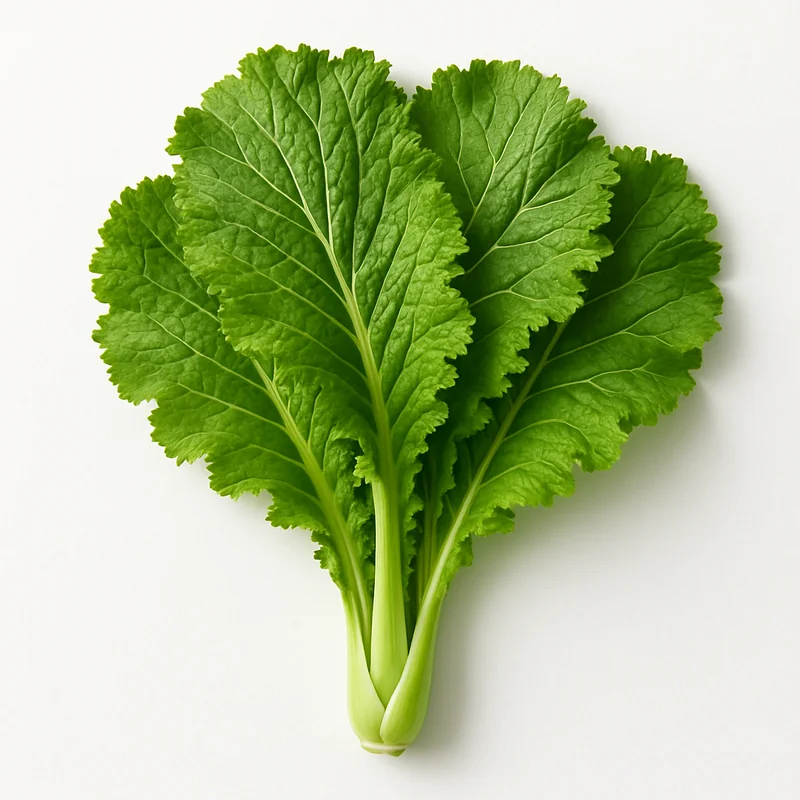
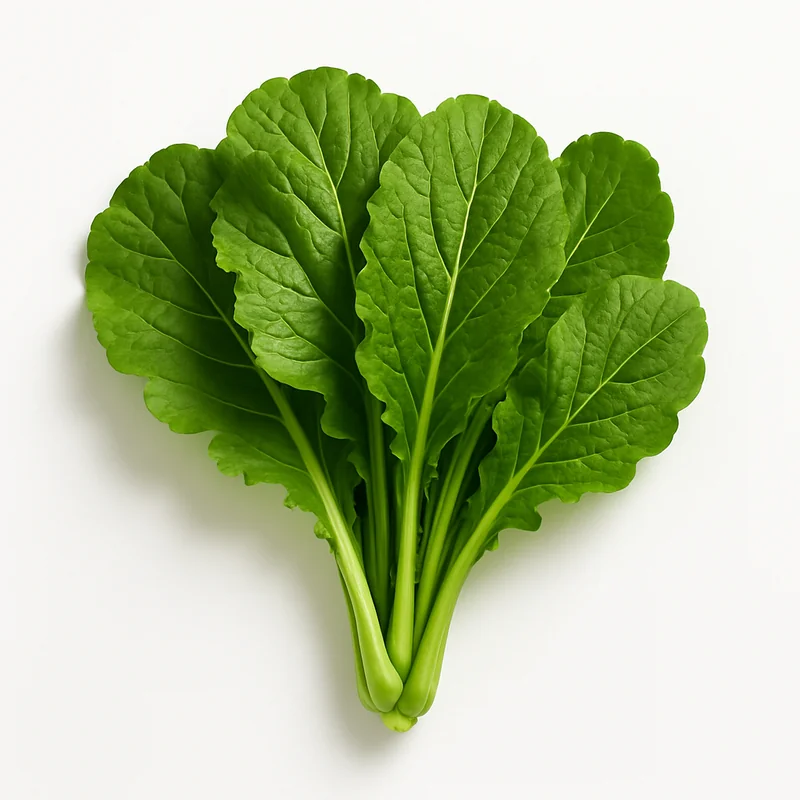
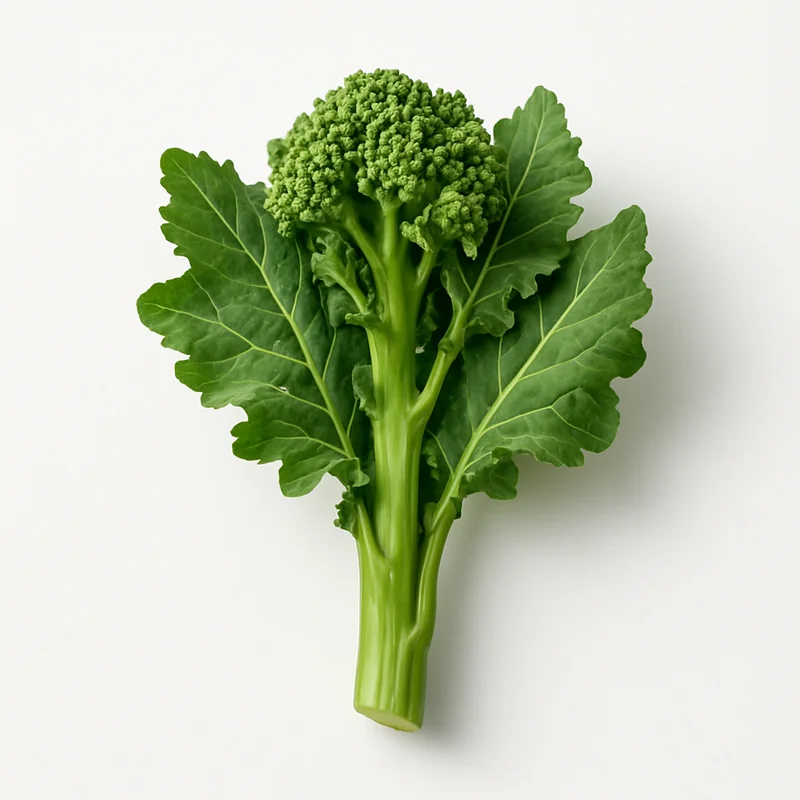
What is Watercress actually covering?
See which nutrients your diet already delivers and which ones your supplements still need to — food and pills measured on the same scale.
Check my nutrients2 questions · free · no account needed to start
Also on iPhone — get the free app
Evidence-based supplement guides, no spam
We send a short digest when new guides drop — nothing else. No affiliate pushes, no sponsored content, unsubscribe anytime.