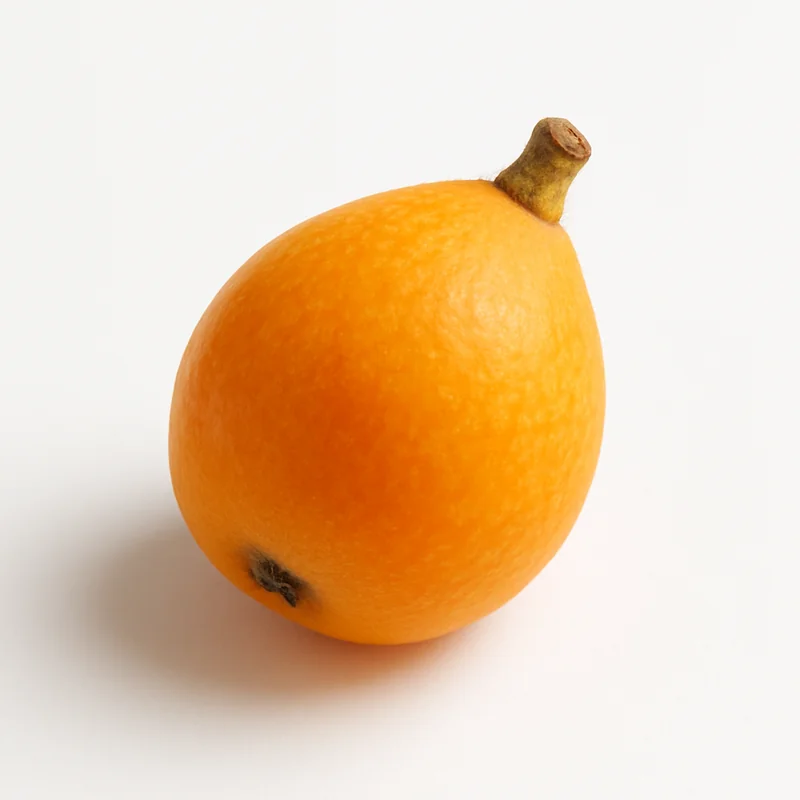
Loquat
ScoreA
Loquat is a small, golden tropical fruit rich in potassium and fiber, offering modest micronutrient density with emerging evidence for metabolic and antioxidant support.
Why Loquat scores 76
% Daily Value per 1 medium (140 g)
Nutrition
per 100 g
Health benefits
Supports cardiovascular health and blood pressure regulation
moderate evidenceHigh potassium content (266 mg/100g) promotes vasodilation and counteracts sodium-induced hypertension, while polyphenols reduce endothelial dysfunction
Enhances digestive health and glucose stability
moderate evidenceSoluble fiber slows gastric emptying and modulates postprandial glucose response; pectin feeds beneficial gut bacteria
Provides cellular antioxidant protection
emerging evidencePolyphenolic compounds (chlorogenic acid, epicatechin) neutralize reactive oxygen species and reduce oxidative stress markers
May support respiratory and mucosal health
emerging evidencePolysaccharides in fruit pulp and seeds possess demulcent properties, reducing airway inflammation
Pairs well with
- ·Pair with almonds or walnuts because their magnesium and polyphenols synergize antioxidant capacity and enhance mineral absorption
- ·Combine with Greek yogurt because probiotics improve polyphenol bioavailability and protein stabilizes blood sugar impact
- ·Serve with ginger tea because both contain gingerols and polyphenols with complementary anti-inflammatory mechanisms
- ·Mix with chia seeds because soluble fiber compounds enhance satiety and moderate glucose response synergistically
Practical tips
- ·Best timing: midday
- ·Select loquats that yield slightly to gentle pressure with golden-orange coloring; avoid green or bruised fruit which indicates underripeness or spoilage
- ·Consume whole fruit (including edible skin after washing) to maximize fiber and polyphenol intake; seeds contain small amounts of amygdalin and should be removed
- ·Store at room temperature until ripe (2-3 days), then refrigerate in a paper bag for 3-5 days maximum to prevent moisture loss and browning
- ·Consume fresh rather than cooked when possible, as heat degrades heat-sensitive polyphenols; fresh loquats preserve chlorogenic acid and epicatechin content
Related foods
What is Loquat actually covering?
See which nutrients your diet already delivers and which ones your supplements still need to — food and pills measured on the same scale.
Check my nutrients2 questions · free · no account needed to start
Also on iPhone — get the free app
Evidence-based supplement guides, no spam
We send a short digest when new guides drop — nothing else. No affiliate pushes, no sponsored content, unsubscribe anytime.