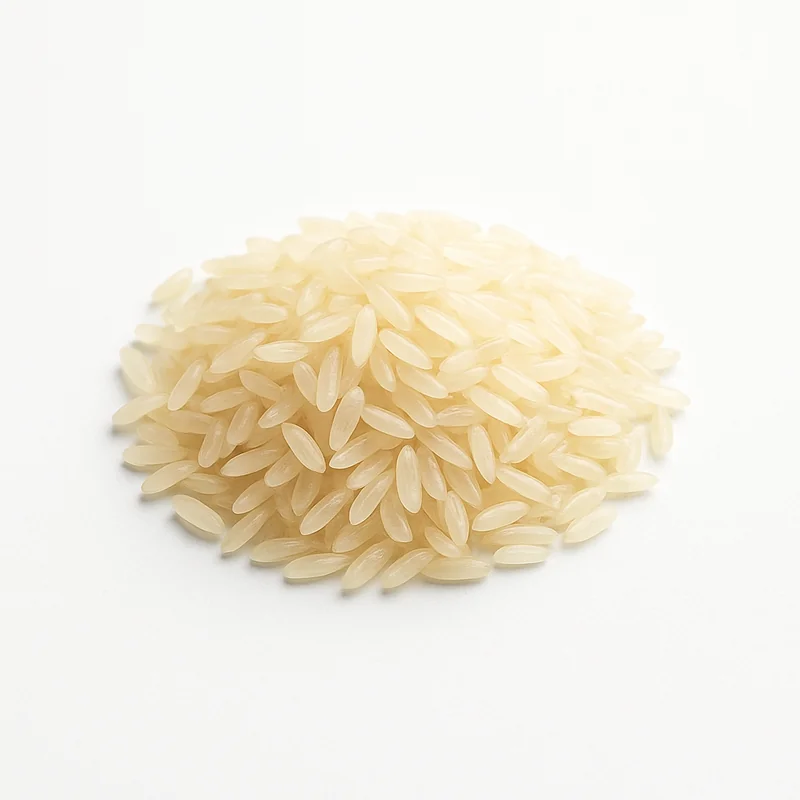
Rice
ScoreC
Rice is a staple grain crop providing carbohydrates for energy and containing moderate protein, fiber, and essential B vitamins and minerals critical for metabolic function.
Why Rice scores 59
% Daily Value per ½ cup (50 g)
Nutrition
per 100 g
Health benefits
Supports stable blood glucose and insulin sensitivity when consumed as whole grain or cooled rice
moderate evidenceWhole grain rice retains fiber and bran that slow carbohydrate digestion; cooling cooked rice increases resistant starch, which bypasses small intestine digestion and feeds beneficial gut bacteria, improving insulin responsiveness
Promotes digestive health through prebiotic resistant starch and fiber content
moderate evidenceFiber promotes satiety and healthy bowel regularity; resistant starch acts as a prebiotic, feeding short-chain fatty acid-producing bacteria that support gut barrier integrity and reduce inflammation
Supports energy production and B vitamin-dependent metabolism
strong evidenceThiamine (0.33mg), niacin (6.3mg), and other B vitamins are essential cofactors in ATP production and energy metabolism; phosphorus and magnesium support mitochondrial function
Provides antioxidant defense and thyroid support via selenium
strong evidenceSelenium is incorporated into selenoproteins, including glutathione peroxidase (antioxidant enzyme) and thioredoxin reductase, protecting cells from oxidative damage; essential for thyroid hormone metabolism
Supports bone and mineral metabolism through phosphorus, magnesium, and manganese
moderate evidencePhosphorus and magnesium are structural components of bone mineral matrix; manganese activates enzymes necessary for bone collagen formation and mineralization
Pairs well with
- ·Pair with legumes (beans, lentils) because together they form a complete protein with all essential amino acids, overcoming individual amino acid limitations
- ·Pair with turmeric and black pepper because piperine in black pepper increases curcumin bioavailability, enhancing anti-inflammatory absorption
- ·Pair with healthy fats (olive oil, avocado, nuts) because fat slows carbohydrate digestion, moderating glycemic response and improving fat-soluble vitamin absorption
- ·Pair with cruciferous vegetables (broccoli, cabbage) because fiber and polyphenols work synergistically to support healthy gut microbiota and reduce post-meal blood sugar spikes
- ·Pair with fermented foods (miso, tempeh, kimchi) because probiotics enhance nutrient bioavailability and support intestinal barrier function
Practical tips
- ·Best timing: midday
- ·Choose brown rice or wild rice over white rice for maximum fiber and micronutrient retention; if eating white rice, rinse and enrich it with added vegetables or legumes
- ·Cook rice, cool it for at least 12 hours in the refrigerator, then gently reheat to maximize resistant starch formation, which improves metabolic health
- ·Store rice in airtight containers in a cool, dry place; brown rice is prone to rancidity due to bran oils—refrigerate after opening for longer shelf life
- ·Limit portion sizes to ½–¾ cup cooked rice per meal and pair with protein and non-starchy vegetables to minimize blood sugar spikes and promote satiety
- ·Soak brown rice 30 minutes before cooking to reduce phytic acid (which binds minerals), improving mineral bioavailability
Related foods
What is Rice actually covering?
See which nutrients your diet already delivers and which ones your supplements still need to — food and pills measured on the same scale.
Check my nutrients2 questions · free · no account needed to start
Also on iPhone — get the free app
Evidence-based supplement guides, no spam
We send a short digest when new guides drop — nothing else. No affiliate pushes, no sponsored content, unsubscribe anytime.