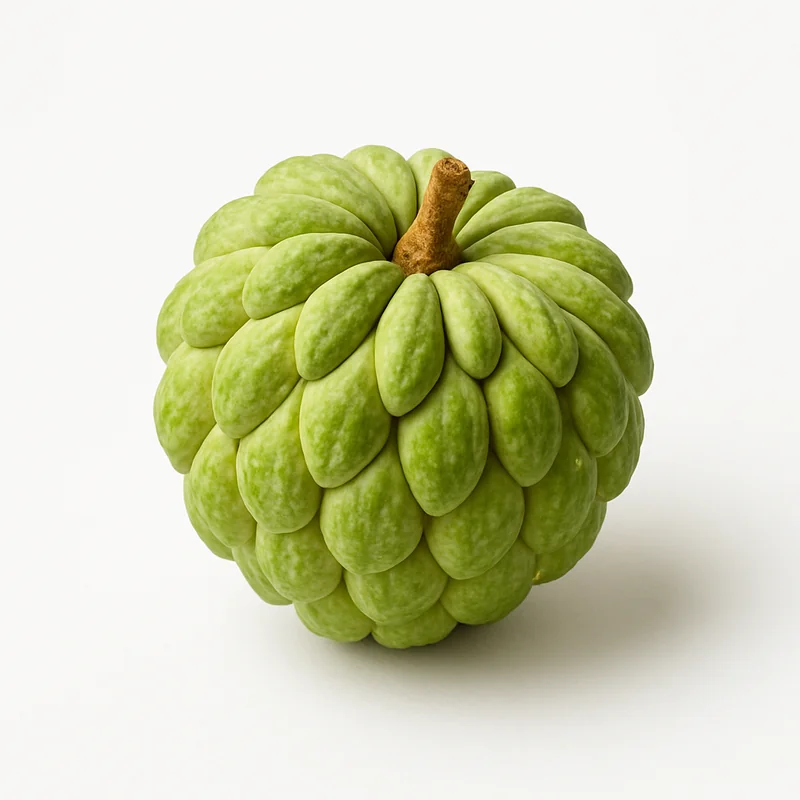
Sugar-Apple
ScoreA
Sugar-apple (custard apple) is a tropical fruit rich in fiber, vitamin C, and potassium, with a creamy texture and naturally sweet taste that makes it a nutrient-dense addition to a longevity-focused diet.
Why Sugar-Apple scores 87
% Daily Value per 1 medium (140 g)
Nutrition
per 100 g
Health benefits
Supports cardiovascular health and blood pressure regulation
strong evidenceHigh potassium content (247mg/100g) acts as a vasodilator and sodium counterbalance, reducing arterial stiffness and supporting healthy blood pressure. Low sodium profile further enhances this benefit.
Promotes digestive health and healthy gut microbiota composition
moderate evidenceSoluble fiber (4.4g/100g) acts as prebiotic substrate, selectively feeding beneficial bacteria and increasing short-chain fatty acid production, which strengthens intestinal barrier function.
Enhances immune function and reduces oxidative stress
moderate evidenceVitamin C (36.3mg/100g) is essential for immune cell proliferation and collagen cross-linking, while polyphenolic compounds provide antioxidant protection against cellular damage.
Supports healthy aging through anti-inflammatory effects
emerging evidenceAcetogenins and other phytochemicals present in sugar-apple exhibit inhibition of pro-inflammatory pathways and may reduce systemic inflammation markers associated with age-related diseases.
Supports one-carbon metabolism and epigenetic stability
moderate evidenceFolate content (14mcg/100g) participates in methylation reactions essential for DNA methylation patterns that influence gene expression and cellular aging processes.
Pairs well with
- ·Pair with Greek yogurt or kefir because the probiotics in fermented dairy synergize with sugar-apple's prebiotic fiber to enhance microbial diversity and short-chain fatty acid production
- ·Combine with almonds or walnuts because the vitamin E and unsaturated fats enhance absorption of fat-soluble antioxidants and provide complementary anti-inflammatory omega-3 and omega-6 profiles
- ·Pair with dark leafy greens (spinach, kale) because the synergistic polyphenols and enhanced iron bioavailability support antioxidant capacity and micronutrient density in mineral absorption
- ·Combine with citrus (lime, lemon) because additional vitamin C increases the bioavailability of plant-based iron and enhances overall antioxidant load
Practical tips
- ·Best timing: midday
- ·Select sugar-apples with slight give to gentle pressure and avoid those with dark blemishes; store at room temperature until ripe, then refrigerate for up to 3-4 days to preserve freshness and nutrient density
- ·Consume the creamy flesh by cutting the fruit in half and scooping with a spoon; discard the toxic seeds entirely as they contain alkaloids and are inedible
- ·Include the entire edible portion (skin can be composted) to maximize fiber intake; a single medium fruit (150-200g) provides approximately 6-7g of dietary fiber
- ·Consume fresh rather than processed to preserve heat-sensitive vitamin C and polyphenolic compounds; blend into smoothies with protein sources for balanced macronutrient profiles
- ·Purchase from local tropical markets when in-season (summer-fall in most regions) for optimal ripeness, nutritional density, and minimal transport-related nutrient degradation
Related foods


What is Sugar-Apple actually covering?
See which nutrients your diet already delivers and which ones your supplements still need to — food and pills measured on the same scale.
Check my nutrients2 questions · free · no account needed to start
Also on iPhone — get the free app
Evidence-based supplement guides, no spam
We send a short digest when new guides drop — nothing else. No affiliate pushes, no sponsored content, unsubscribe anytime.