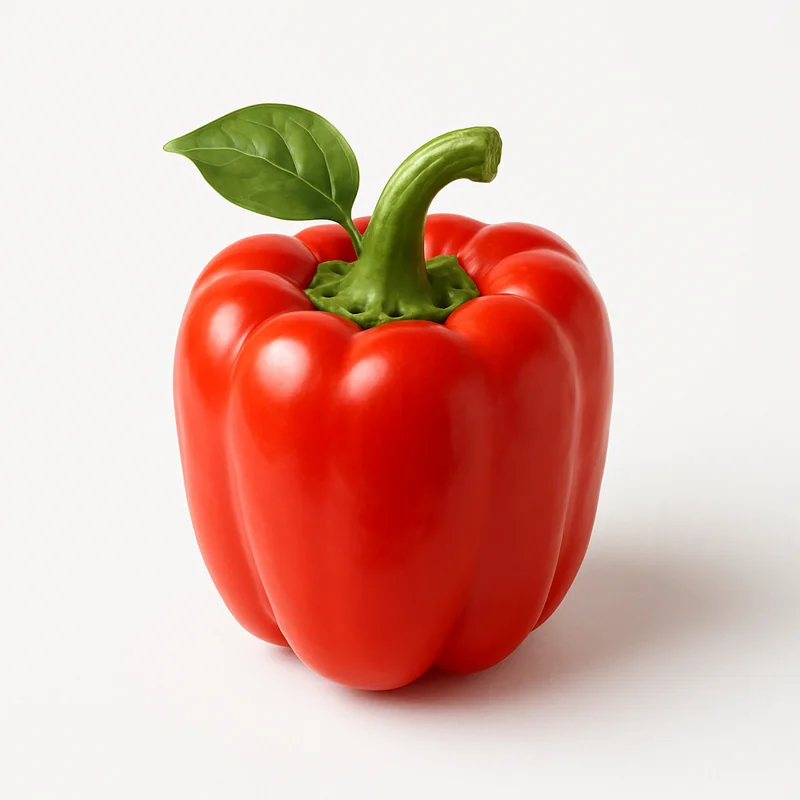
Bell Peppers
ScoreA+
Bell peppers are low-calorie, nutrient-dense vegetables exceptionally rich in vitamin C and carotenoids, supporting immune function and cellular antioxidant defenses.
Why Bell Peppers scores 95
% Daily Value per ½ cup (85 g)
Nutrition
per 100 g
Health benefits
Enhanced immune function and collagen synthesis
strong evidenceVitamin C (128 mg/100g) serves as a cofactor for immune cell function and collagen cross-linking, essential for skin elasticity and tissue integrity during aging
Reduced oxidative stress and inflammation
strong evidenceCarotenoids (especially beta-carotene and lycopene in red peppers) and quercetin directly scavenge free radicals and inhibit pro-inflammatory signaling pathways
Cardiovascular protection and blood pressure regulation
moderate evidencePotassium promotes vasodilation and sodium-potassium balance; polyphenols improve endothelial function and reduce arterial stiffness
Eye health and macular degeneration prevention
moderate evidenceLutein and zeaxanthin accumulate in retinal tissue and filter harmful blue light while reducing oxidative damage to photoreceptors
Blood glucose stability and metabolic health
moderate evidenceLow glycemic index, high fiber content (2.1g/100g), and polyphenols slow glucose absorption and improve insulin sensitivity
Pairs well with
- ·Pair with olive oil because fat-soluble carotenoids (beta-carotene, lycopene) require dietary lipids for optimal absorption and bioavailability
- ·Combine with garlic and onions because allicin compounds synergize with bell pepper polyphenols to enhance anti-inflammatory and antimicrobial effects
- ·Eat with legumes (beans, lentils) because vitamin C significantly increases non-heme iron bioavailability from plant-based protein sources
- ·Mix with avocado because healthy fats enhance carotenoid absorption while monounsaturated fats support cardiovascular benefits
Practical tips
- ·Best timing: Bell peppers contain no compounds requiring specific circadian timing; consistent daily consumption optimizes cumulative antioxidant benefits. Consume with meals containing fat for enhanced carotenoid absorption.
- ·Select peppers with firm, glossy skin and no soft spots; store in refrigerator crisper drawer for up to 2 weeks to preserve vitamin C content
- ·Prefer red, orange, or yellow varieties over green for higher carotenoid and antioxidant concentrations due to extended ripening duration
- ·Consume raw or lightly cooked (roasted <5 minutes) to maximize heat-sensitive vitamin C; prolonged boiling reduces C content by 50%+
- ·Include bell pepper skin in prepared dishes whenever possible, as polyphenols concentrate in the outer layers near the skin
- ·Aim for ½–1 cup (75–150g) daily to obtain meaningful micronutrient benefits without excessive volume
Related foods
What is Bell Peppers actually covering?
See which nutrients your diet already delivers and which ones your supplements still need to — food and pills measured on the same scale.
Check my nutrients2 questions · free · no account needed to start
Also on iPhone — get the free app
Evidence-based supplement guides, no spam
We send a short digest when new guides drop — nothing else. No affiliate pushes, no sponsored content, unsubscribe anytime.