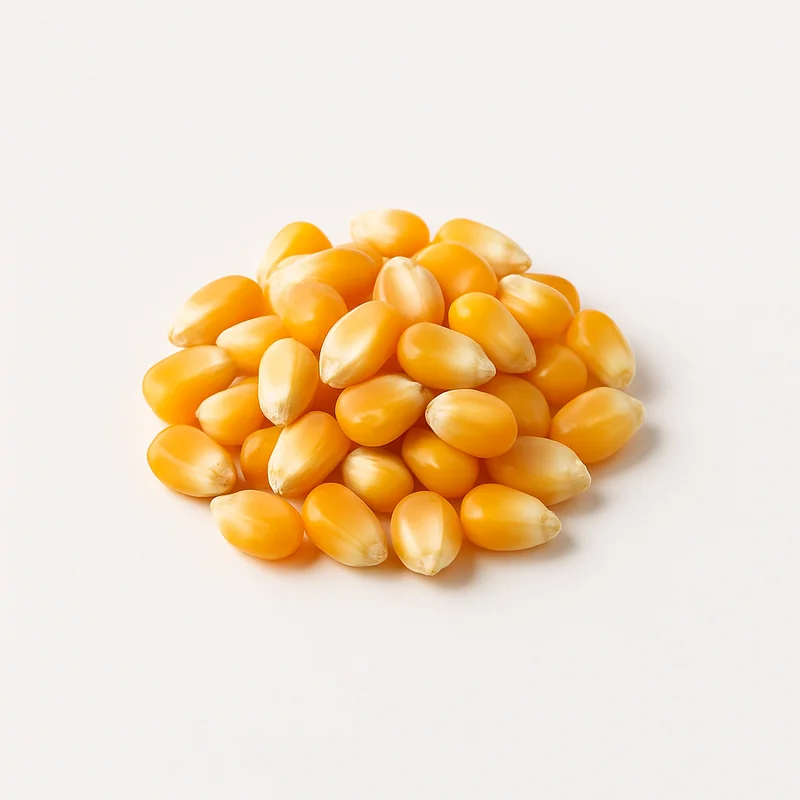
Corn Grain
ScoreB
Corn grain is a starchy cereal grain rich in carbohydrates, B vitamins, and minerals like magnesium and phosphorus. It provides moderate protein and contains bioactive compounds including lutein and zeaxanthin with antioxidant properties.
Why Corn Grain scores 60
% Daily Value per ½ cup (50 g)
Nutrition
per 100 g
Health benefits
Supports eye health and age-related macular degeneration prevention
strong evidenceLutein and zeaxanthin accumulate in the macula of the retina, providing photoprotection against oxidative damage from blue light and UV radiation
Promotes energy metabolism and nervous system function
strong evidenceNiacin (3.6mg per 100g) serves as a coenzyme in NAD+ dependent pathways essential for ATP production and mitochondrial function
Supports bone mineral density and magnesium homeostasis
strong evidenceMagnesium (127mg per 100g) is essential for bone mineralization, regulates calcium metabolism, and supports muscle function
Antioxidant and anti-inflammatory support
moderate evidencePolyphenols and phytosterols in corn reduce oxidative stress markers and inflammatory cytokines in metabolic tissues
Thyroid function and selenoprotein synthesis
moderate evidenceSelenium (15.5mcg per 100g) is incorporated into glutathione peroxidase and thioredoxin reductase, critical for thyroid hormone metabolism
Pairs well with
- ·Pair with beans or legumes because complementary amino acid profiles create complete protein; lysine-rich beans compensate for corn's relative lysine limitation
- ·Combine with olive oil or avocado because fat-soluble carotenoids (lutein, zeaxanthin) require dietary fat for absorption and bioavailability
- ·Serve with tomatoes or red peppers because lycopene and vitamin C enhance overall antioxidant capacity and reduce postprandial glycemic response
- ·Mix with leafy greens because magnesium in corn works synergistically with folate and chlorophyll for cardiovascular and cognitive health
Practical tips
- ·Best timing: midday
- ·Choose whole corn kernels or corn with germ retained over refined cornmeal or degermed corn products to preserve fiber, magnesium, and phytochemical content
- ·Cook corn al dente rather than extended boiling to minimize nutrient leaching into cooking water; steaming or roasting preserves carotenoids better
- ·Store dried corn in cool, dry conditions in airtight containers; whole kernels remain stable for 6-12 months, but ground products oxidize more rapidly
- ·Consume corn as part of mixed meals with protein and healthy fat to moderate blood glucose response and extend satiety
- ·Consider corn tortillas made from nixtamalized corn (treated with lime/calcium hydroxide) for enhanced bioavailability of niacin and calcium compared to non-nixtamalized products
Related foods
What is Corn Grain actually covering?
See which nutrients your diet already delivers and which ones your supplements still need to — food and pills measured on the same scale.
Check my nutrients2 questions · free · no account needed to start
Also on iPhone — get the free app
Evidence-based supplement guides, no spam
We send a short digest when new guides drop — nothing else. No affiliate pushes, no sponsored content, unsubscribe anytime.