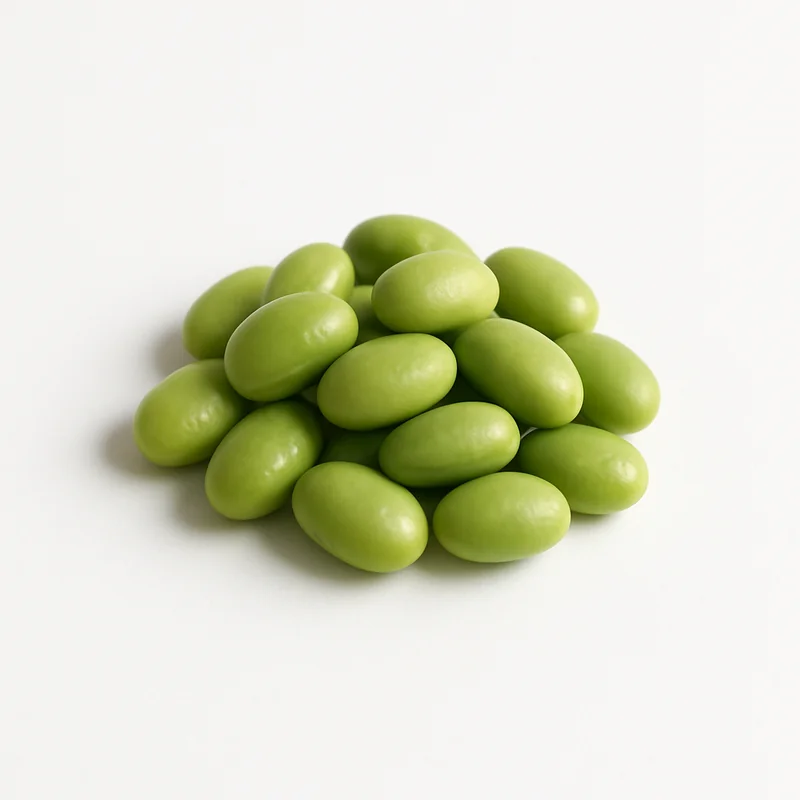
Edamame
ScoreA+
Edamame are young soybeans harvested at peak nutrition, providing 12g of plant-based protein and 5g of fiber per 100g alongside exceptional micronutrient density including folate and vitamin K.
Why Edamame scores 92
% Daily Value per ½ cup (90 g)
Nutrition
per 100 g
Health benefits
Supports muscle mass and protein synthesis in aging adults
strong evidenceComplete plant protein with all 9 essential amino acids stimulates mTOR pathway and muscle protein turnover; leucine content (~1g per 100g) is particularly relevant for sarcopenia prevention
Promotes bone mineral density and reduces fracture risk
moderate evidenceVitamin K activates osteocalcin for bone matrix carboxylation; isoflavones may inhibit bone resorption by modulating osteoclast activity; phosphorus and magnesium provide mineral substrate
Reduces cardiovascular disease risk through cholesterol and inflammation reduction
strong evidencePlant stanols and fiber lower LDL cholesterol; isoflavones (genistein, daidzein) reduce systemic inflammation and endothelial dysfunction; folate reduces homocysteine
Supports healthy glucose metabolism and insulin sensitivity
moderate evidenceHigh fiber and resistant starch content slows gastric emptying and reduces postprandial glucose spikes; polyphenols enhance insulin signaling pathways
Enhances liver detoxification and antioxidant defense
moderate evidenceIsoflavones activate phase II detoxification enzymes (glutathione-S-transferase); manganese is cofactor for superoxide dismutase; folate supports methionine cycle for antioxidant glutathione production
Pairs well with
- ·Pair with citrus or tomatoes because vitamin C enhances non-heme iron absorption from edamame's iron content by 3-4 fold
- ·Combine with olive oil or avocado because fat-soluble vitamins (K and isoflavone absorption) require dietary lipid co-ingestion for optimal bioavailability
- ·Eat with fermented foods like miso or sauerkraut because these enhance isoflavone bioconversion by gut microbiota enzymes
- ·Pair with leafy greens because both are vitamin K-rich, and synergistic polyphenol content enhances anti-inflammatory effects
Practical tips
- ·Best timing: midday
- ·Purchase frozen edamame in pods—they retain 95% of nutrient content and are more convenient than fresh; thaw gently and add 1% sea salt to boiling water for 4-5 minutes
- ·Consume within 3 days of thawing to preserve isoflavone stability; store in airtight containers at 4°C to minimize oxidation
- ·Sprinkle lightly with sea salt and black pepper post-cooking; the piperine in pepper increases isoflavone absorption by up to 2000%
- ·For optimal nutrient density, eat edamame as a standalone snack or appetizer rather than as a cooked side—this reduces processing time and heat damage to water-soluble folate
- ·Aim for 100-150g servings (about 1 cup) 4-5 times weekly for consistency with longevity dietary patterns; exceeding 200g daily may interfere with thyroid iodine absorption in iodine-replete populations
Related foods
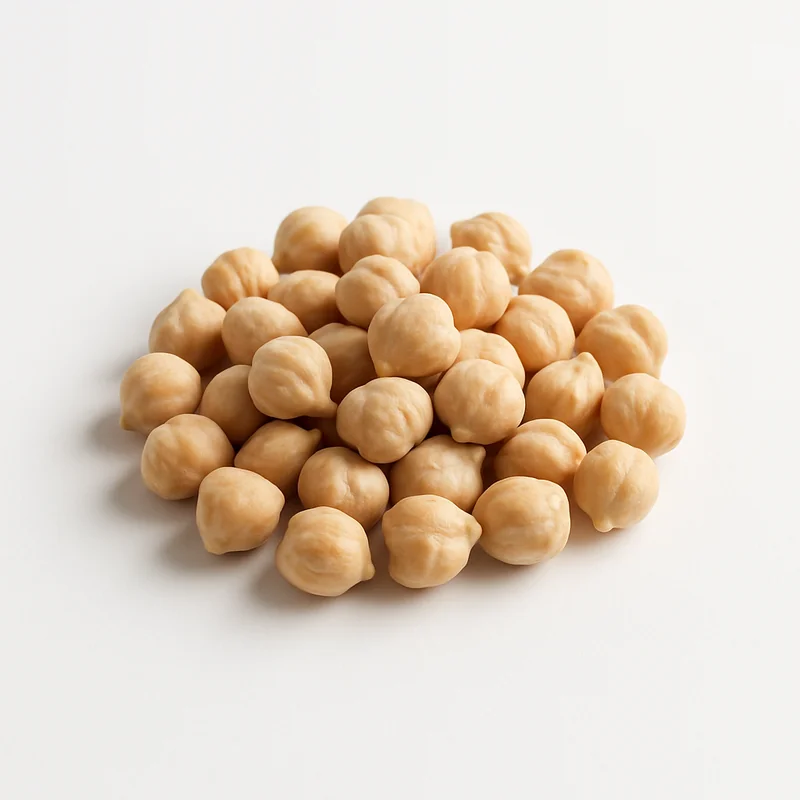
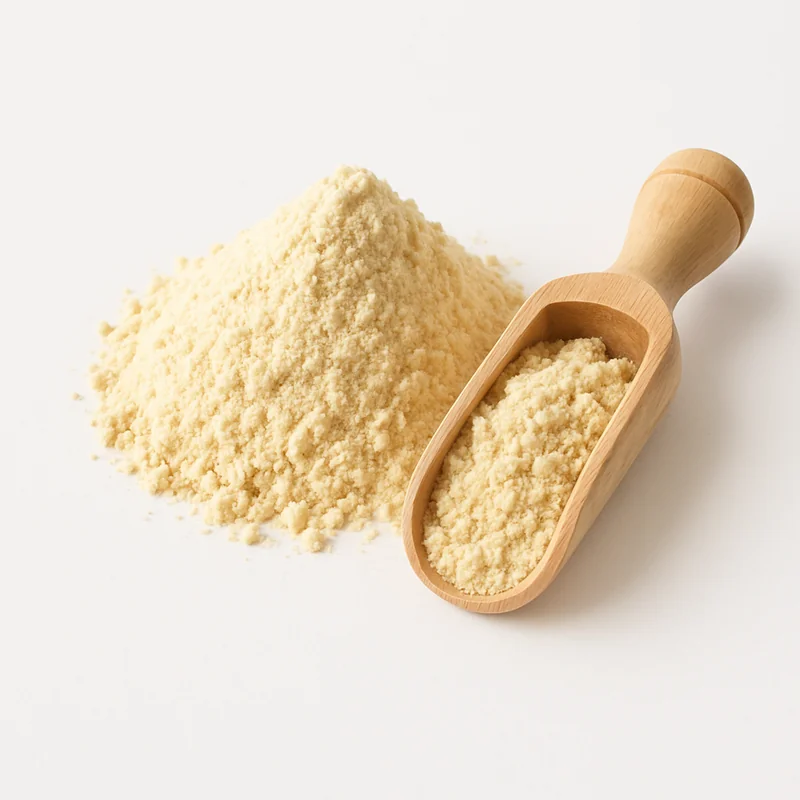
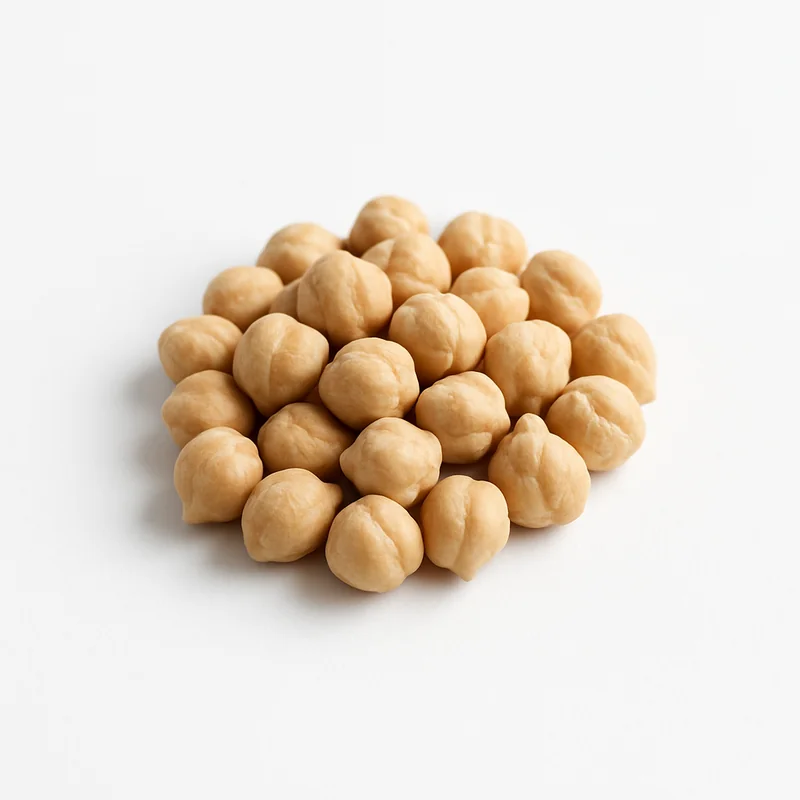
What is Edamame actually covering?
See which nutrients your diet already delivers and which ones your supplements still need to — food and pills measured on the same scale.
Check my nutrients2 questions · free · no account needed to start
Also on iPhone — get the free app
Evidence-based supplement guides, no spam
We send a short digest when new guides drop — nothing else. No affiliate pushes, no sponsored content, unsubscribe anytime.