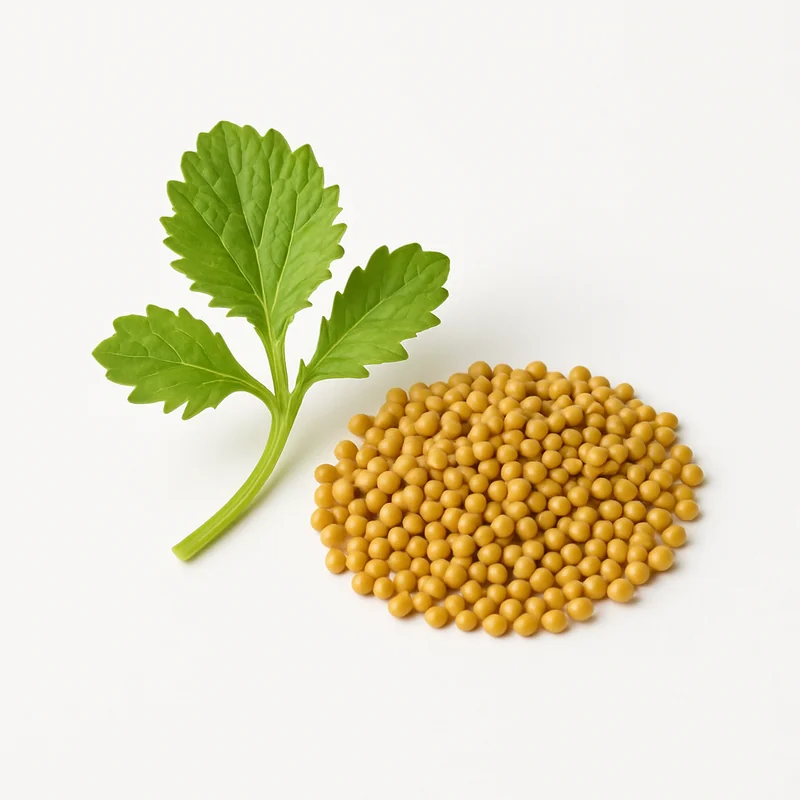
Mustard Seed
ScoreA+
Mustard seed is a pungent brassica seed that develops sharp isothiocyanate heat only when crushed and wetted, ranking among the most selenium- and protein-dense culinary seeds.
Why Mustard Seed scores 95
% Daily Value per a pinch (2 g)
Nutrition
per 100 g
Health benefits
Provides exceptional selenium for antioxidant and thyroid function
strong evidenceAbout 208mcg selenium per 100g supplies a key cofactor for glutathione peroxidase antioxidant enzymes and thyroid hormone metabolism
Delivers chemoprotective isothiocyanates
emerging evidenceMyrosinase converts glucosinolates into isothiocyanates that induce phase II detoxification enzymes and inhibit carcinogen activation in laboratory models
Supplies antimicrobial activity
moderate evidenceAllyl isothiocyanate disrupts microbial membranes, inhibiting bacteria and fungi and acting as a natural food preservative
Contributes dense protein, magnesium, and phosphorus
moderate evidence26g protein, 370mg magnesium, and 828mg phosphorus per 100g support tissue maintenance, energy metabolism, and bone health
Pairs well with
- ·Crush or grind seeds with cool (not boiling) water to maximize isothiocyanate heat, which then mellows with time and acid
- ·Pair with vinegar and honey because acidity stabilizes the pungency and sweetness balances the heat in prepared mustards
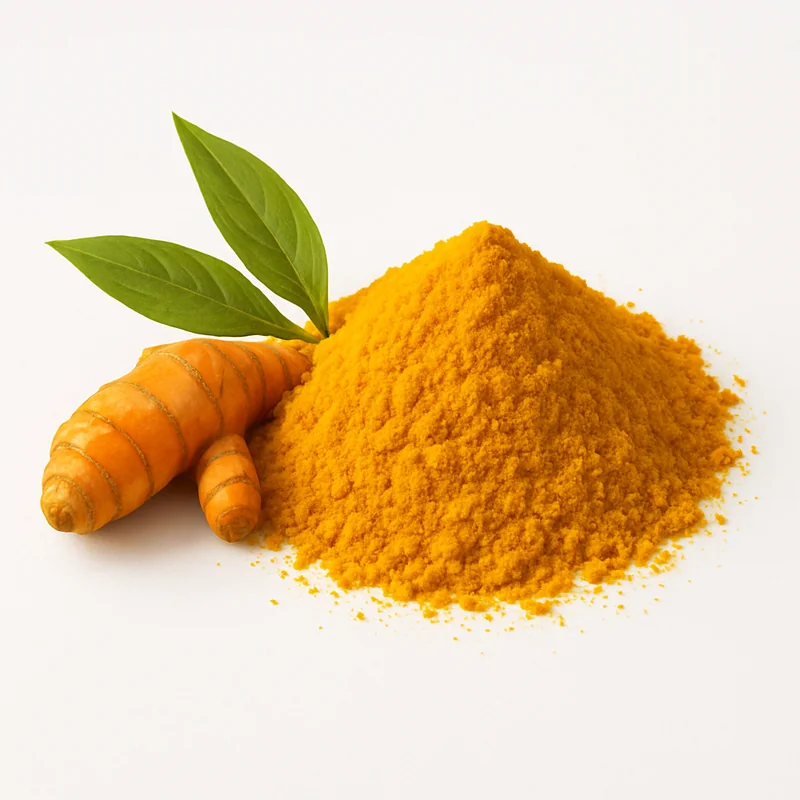
- ·Temper whole seeds in hot oil with curry leaves and turmeric because the fat carries the mellowed, nutty flavor through the dish
- ·Use with cruciferous vegetables because mustard's glucosinolates complement and reinforce the same beneficial compound class
Practical tips
- ·Best timing: Mustard seed is a cooking and condiment spice with no circadian dependency; its minerals and isothiocyanates benefit any meal.
- ·Develop maximum heat by crushing seeds into cool water; hot water and prolonged cooking destroy the sharp isothiocyanates
- ·Temper whole seeds in hot oil until they pop to mellow and nuttify them for South Indian dishes
- ·Choose brown or black seeds for more heat, yellow for a milder flavor and better binding in prepared mustard
- ·Because of the oil content, smell-check older seeds for rancidity; store in a cool, dark place or the refrigerator
- ·Buy whole seeds; mustard powder loses pungency far faster than intact seeds
Related foods
What is Mustard Seed actually covering?
See which nutrients your diet already delivers and which ones your supplements still need to — food and pills measured on the same scale.
Check my nutrients2 questions · free · no account needed to start
Also on iPhone — get the free app
Evidence-based supplement guides, no spam
We send a short digest when new guides drop — nothing else. No affiliate pushes, no sponsored content, unsubscribe anytime.