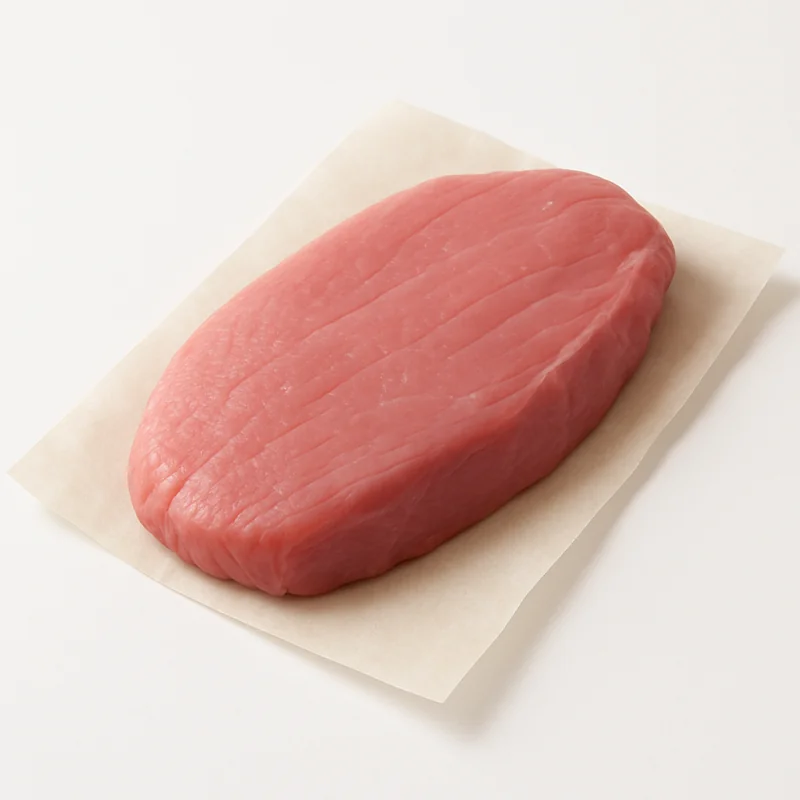
Veal
ScoreA
Veal is lean meat from young cattle, exceptionally high in protein and low in fat, making it a nutrient-dense choice for muscle maintenance and metabolic health.
Why Veal scores 80
% Daily Value per 3 oz (85 g)
Nutrition
per 100 g
Health benefits
Supports muscle protein synthesis and lean mass preservation with age
strong evidenceComplete amino acid profile including high leucine content triggers mTOR signaling and myosin protein synthesis, critical for preventing sarcopenia in aging populations
Enhances cognitive function and liver health through choline provision
moderate evidenceCholine is a precursor for acetylcholine (neurotransmitter) and phosphatidylcholine (cell membrane component); supports one-carbon methylation pathways essential for epigenetic regulation and detoxification
Reduces oxidative stress through selenium-dependent antioxidant systems
strong evidenceSelenium is incorporated into selenoproteins including glutathione peroxidase and thioredoxin reductase, which neutralize reactive oxygen species and protect against age-related cellular damage
Supports cardiovascular health with minimal saturated fat relative to protein content
moderate evidenceLow fat-to-protein ratio minimizes LDL cholesterol elevation while providing heme iron and B vitamins necessary for vascular endothelial function and blood pressure regulation
Enhances DNA repair and mitochondrial energy production via niacin
moderate evidenceNiacin (vitamin B3) is a NAD+ precursor essential for SIRT enzymes, PARP DNA repair, and mitochondrial ATP synthesis—key mechanisms in cellular resilience and longevity
Pairs well with
- ·Pair with leafy greens (spinach, arugula) because polyphenols enhance iron bioavailability and provide additional phytochemical antioxidants synergistic with veal's selenium content
- ·Combine with cruciferous vegetables (broccoli, Brussels sprouts) to amplify phase 2 detoxification enzyme activation, complementing choline's liver-support mechanisms
- ·Serve with tomato-based sauces rich in lycopene, which works synergistically with veal's selenium to reinforce antioxidant defenses against oxidative stress
- ·Pair with whole grains or legumes containing fiber to moderate glycemic response and support gut microbiota that produce short-chain fatty acids for metabolic health
Practical tips
- ·Best timing: midday
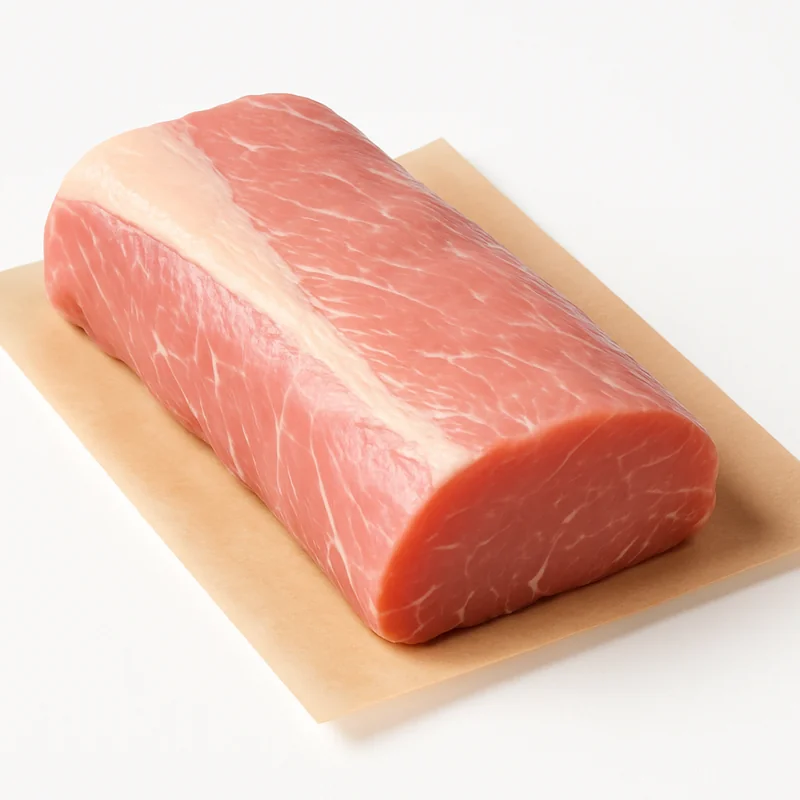
- ·Select veal that is pale pink (not dark red), indicating the animal's young age and resulting in more tender meat with superior amino acid profile and lower oxidative damage markers
- ·Cook veal to medium (63°C internal temperature) to preserve heat-sensitive B vitamins like choline and niacin while ensuring food safety; avoid prolonged high-heat cooking that reduces micronutrient bioavailability
- ·Store veal in vacuum-sealed packaging at 0-4°C for maximum 3-5 days, or freeze at -18°C for up to 8 months to preserve selenium content and prevent lipid oxidation
- ·Consume veal 3-4 times weekly (100-150g portions) as part of a varied protein strategy to avoid excessive heme iron accumulation while maximizing amino acid rotation and micronutrient diversity
- ·Pair with vitamin C sources (citrus, peppers) during the same meal to enhance non-heme iron absorption from veal and optimize mineral bioavailability
Related foods
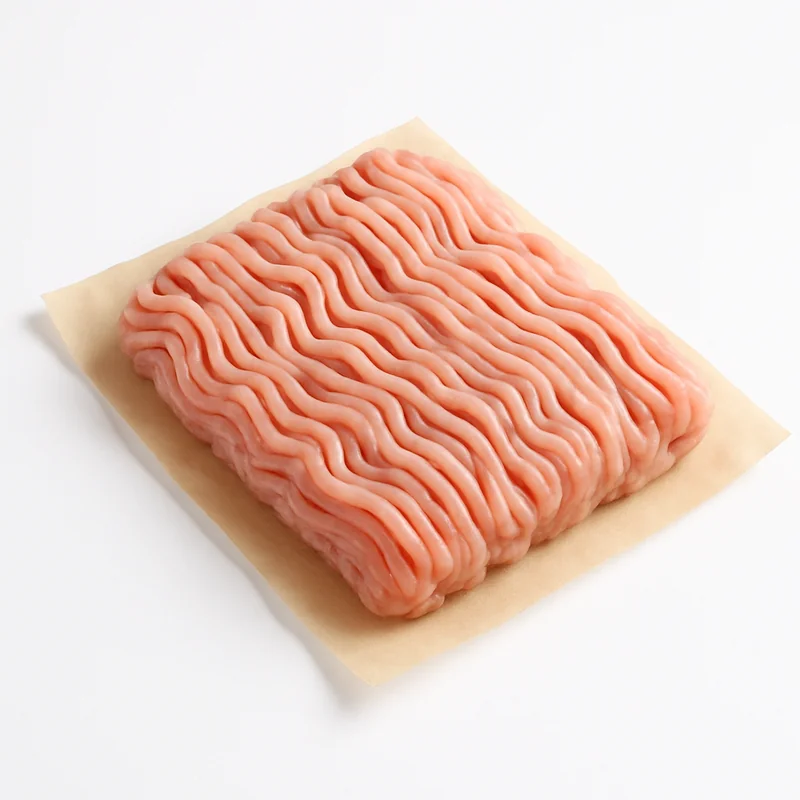
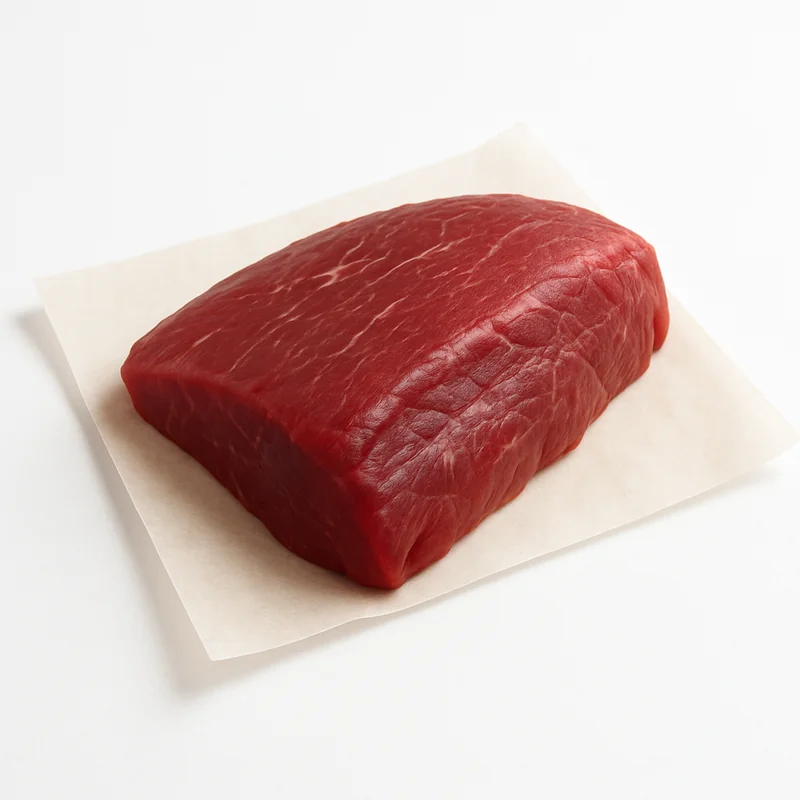
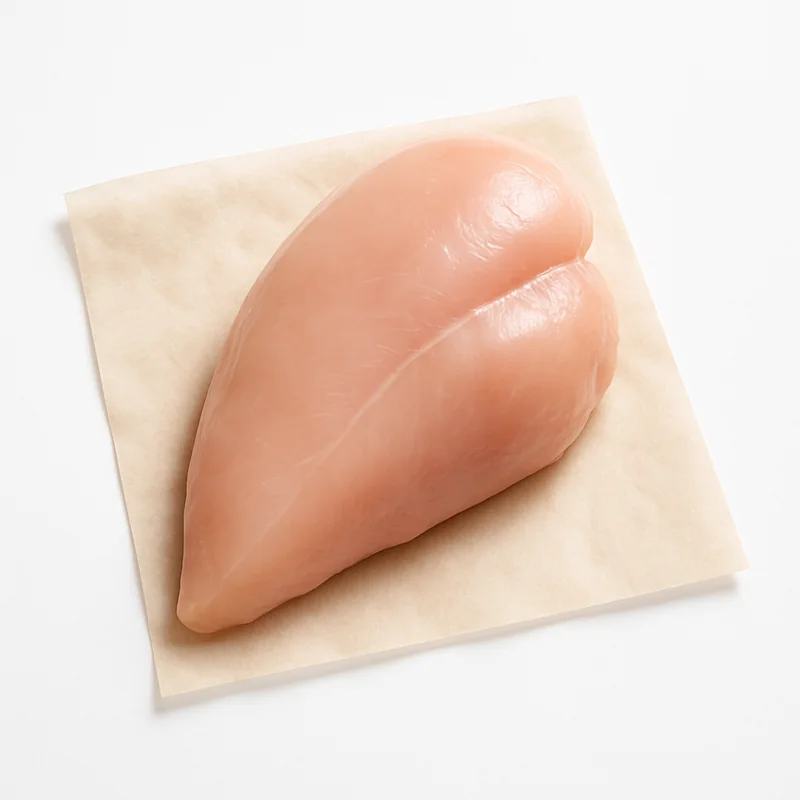
What is Veal actually covering?
See which nutrients your diet already delivers and which ones your supplements still need to — food and pills measured on the same scale.
Check my nutrients2 questions · free · no account needed to start
Also on iPhone — get the free app
Evidence-based supplement guides, no spam
We send a short digest when new guides drop — nothing else. No affiliate pushes, no sponsored content, unsubscribe anytime.