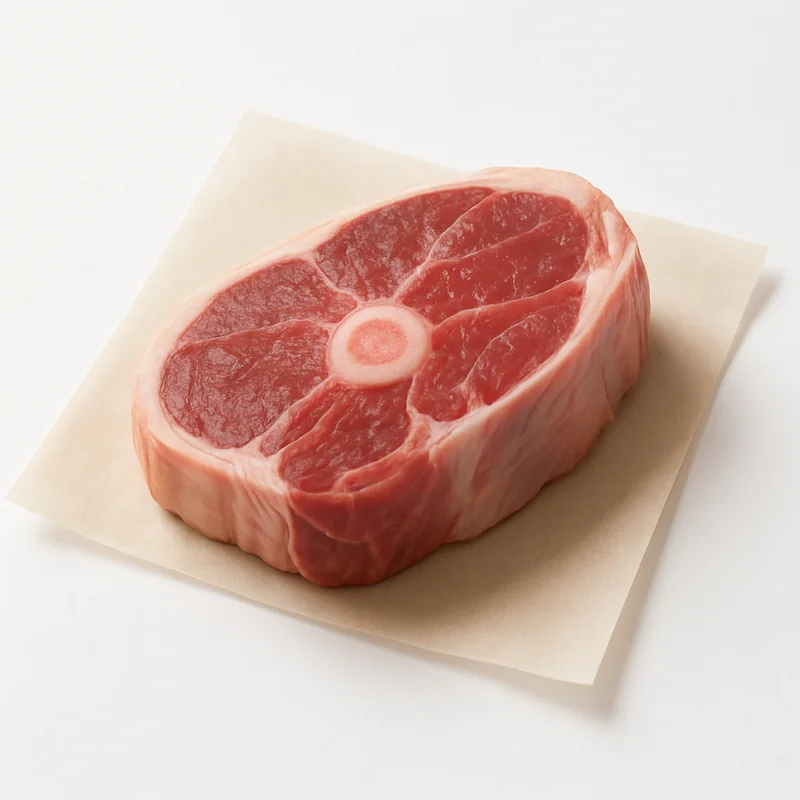
Lamb
ScoreB
Lamb is a nutrient-dense red meat rich in high-quality protein, B vitamins, and bioavailable iron and zinc, making it a robust choice for muscle maintenance and metabolic health.
Why Lamb scores 71
% Daily Value per 3 oz (85 g)
Nutrition
per 100 g
Health benefits
Supports muscle mass maintenance and recovery in aging adults
strong evidenceHigh-quality complete protein (18.33g/100g) containing all essential amino acids, particularly leucine, which activates mTOR pathway for muscle protein synthesis
Enhances iron absorption and oxygen transport
strong evidenceHeme iron in lamb has superior bioavailability (20-30%) compared to plant-based iron, directly supporting hemoglobin production and mitochondrial function
Supports immune function and cellular antioxidant defense
strong evidenceZinc (2.4mg/100g) and selenium (7.1 mcg/100g) are cofactors for superoxide dismutase and glutathione peroxidase, key antioxidant enzymes protecting cells from oxidative damage
May reduce exercise-induced muscle damage and inflammation
moderate evidenceCarnosine and anserine (dipeptides abundant in lamb) directly scavenge free radicals and buffer intramuscular pH during and after exertion
Supports metabolic health and fat oxidation
moderate evidenceGrass-fed lamb contains conjugated linoleic acid (CLA) which may enhance lipolysis and improve insulin sensitivity through PPAR-gamma activation
Pairs well with
- ·Pair lamb with rosemary and thyme because these herbs contain rosmarinic acid and thymol, which inhibit lipid oxidation and enhance the bioavailability of lamb's fat-soluble nutrients like vitamin D if present from sunlight-exposed lamb.
- ·Combine lamb with leafy greens (spinach, arugula) because their vitamin C content enhances heme iron absorption by reducing ferric iron to ferrous form, potentially increasing iron bioavailability by 300%.
- ·Serve lamb with legumes (lentils, chickpeas) because legumes provide fiber and polyphenols that support gut microbiota diversity, improving overall nutrient absorption and metabolic endotoxemia markers.
- ·Pair lamb with pomegranate or red wine because their polyphenols (punicalagins, resveratrol) have synergistic antioxidant effects with lamb's carnosine, reducing post-meal oxidative stress.
Practical tips
- ·Best timing: midday
- ·Choose grass-fed lamb when possible, as it contains 2-3x higher levels of conjugated linoleic acid (CLA) and omega-3 fatty acids compared to grain-fed lamb.
- ·Slow-cook lamb at lower temperatures (sous-vide or braising below 160°C) to preserve heat-sensitive B vitamins and minimize formation of advanced glycation end products (AGEs) that increase with high-heat cooking.
- ·Store raw lamb at 0-4°C for maximum 3-4 days, or freeze at -18°C for up to 8 months; freezing does not significantly degrade protein or micronutrient content.
- ·Consume lamb 3-4 times weekly as part of a diverse protein rotation to ensure varied micronutrient intake and prevent excessive heme iron accumulation, which may increase oxidative stress in excess.
- ·Marinate lamb for 30+ minutes before cooking in acidic herbs (lemon, vinegar) to reduce heterocyclic amine (HCA) formation, carcinogenic compounds produced during high-temperature cooking.
Related foods
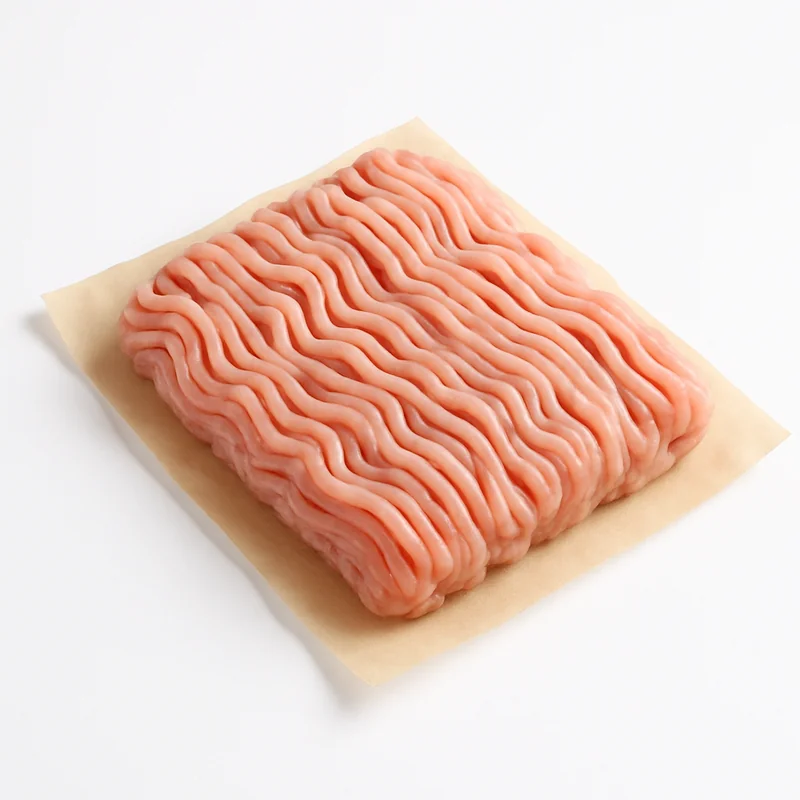
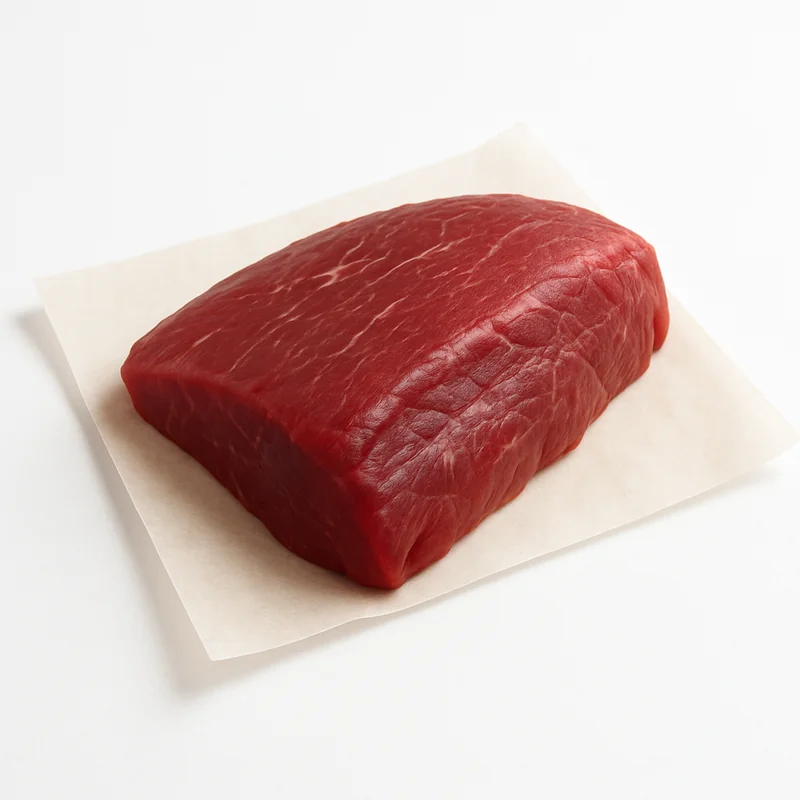
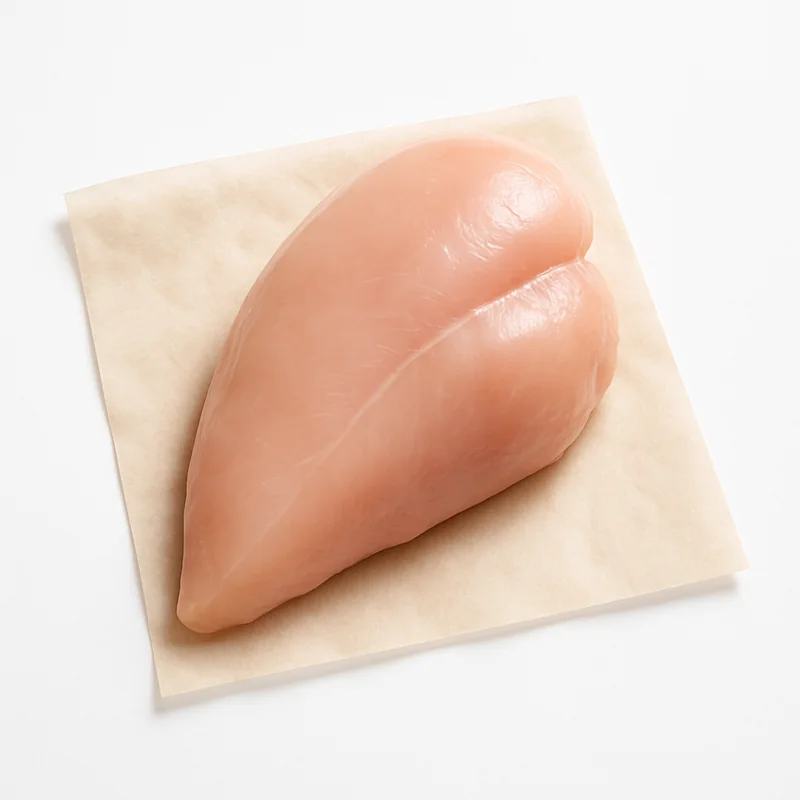
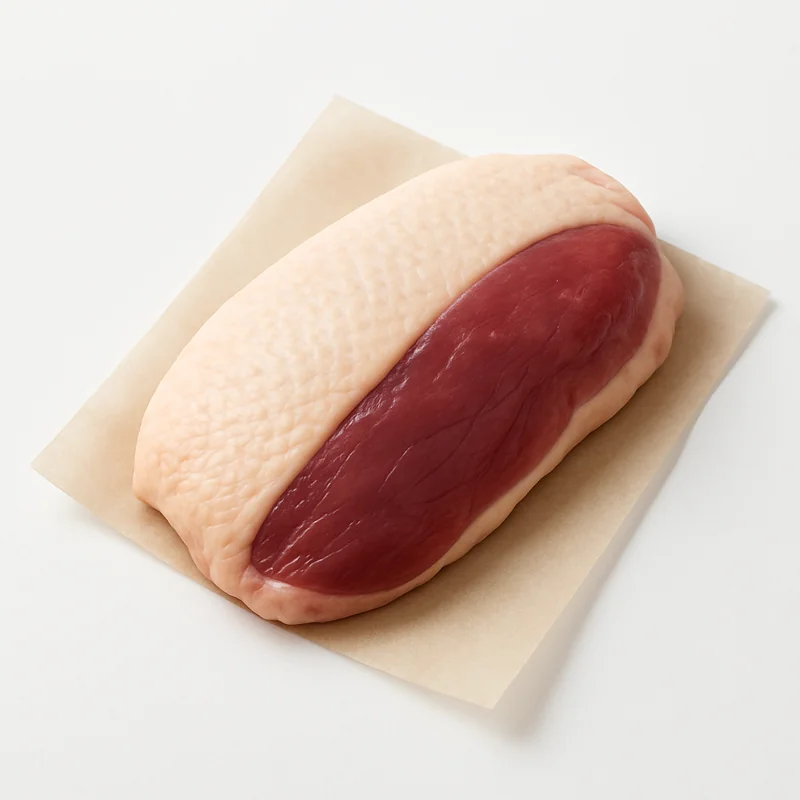
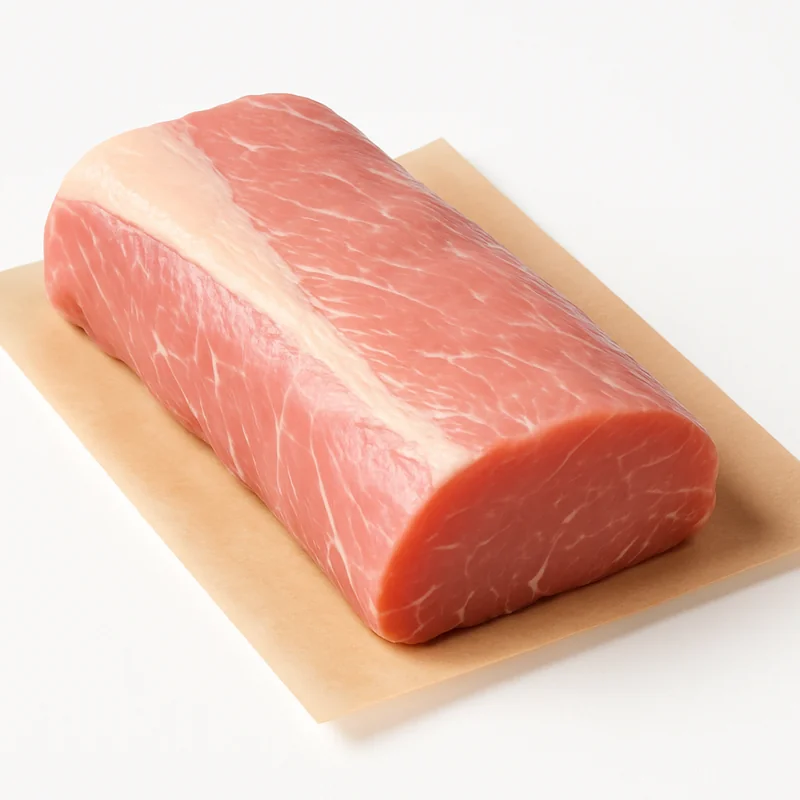
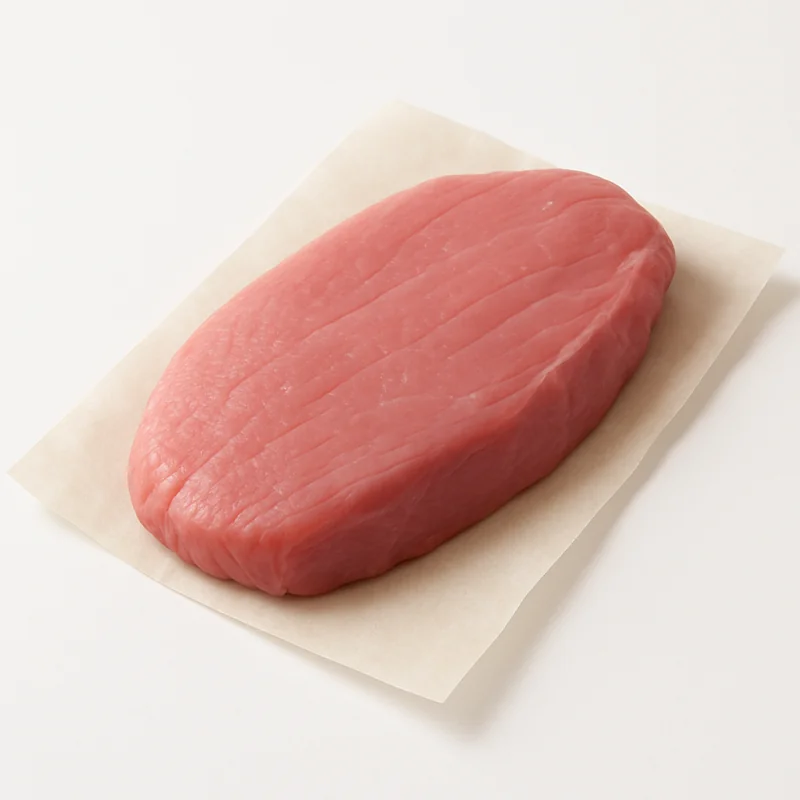
What is Lamb actually covering?
See which nutrients your diet already delivers and which ones your supplements still need to — food and pills measured on the same scale.
Check my nutrients2 questions · free · no account needed to start
Also on iPhone — get the free app
Evidence-based supplement guides, no spam
We send a short digest when new guides drop — nothing else. No affiliate pushes, no sponsored content, unsubscribe anytime.