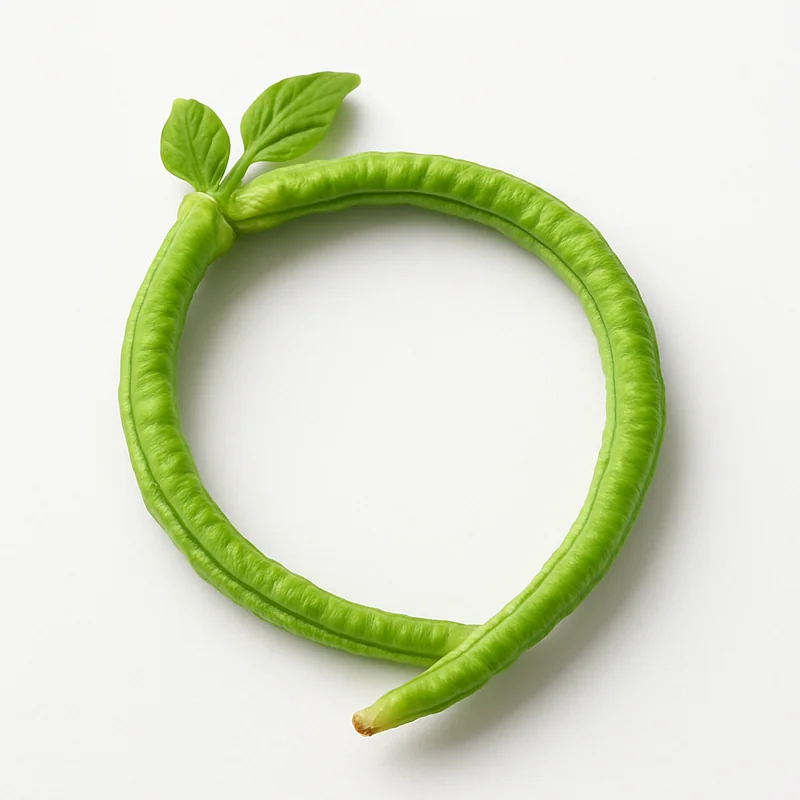
Yardlong Bean
ScoreA
Yardlong bean (asparagus bean) is a legume vegetable rich in potassium, folate, and vitamin C with minimal calories, making it an excellent low-energy-dense addition to longevity-focused diets.
Why Yardlong Bean scores 81
% Daily Value per ½ cup (85 g)
Nutrition
per 100 g
Health benefits
Cardiovascular health and blood pressure regulation
strong evidenceHigh potassium content (240mg/100g) supports sodium-potassium balance, improving vascular function and reducing hypertension risk
Homocysteine metabolism and DNA synthesis
strong evidenceFolate (62mcg/100g) acts as a methyl donor in one-carbon metabolism, reducing cardiovascular disease risk and supporting cellular division
Antioxidant defense and oxidative stress reduction
moderate evidenceVitamin C and phenolic compounds scavenge free radicals, supporting cellular integrity and reducing inflammation markers
Improved glycemic control and metabolic health
moderate evidenceLow glycemic index with balanced carbohydrate-to-protein ratio minimizes blood glucose spikes and supports insulin sensitivity
Mineral bioavailability and bone health support
moderate evidencePhosphorus and magnesium (44mg/100g) collaborate in bone mineralization and metabolic enzyme function
Pairs well with
- ·Pair with sesame oil because fat-soluble compounds and lignans enhance antioxidant absorption while providing healthy lipids
- ·Combine with garlic and ginger because allicin and gingerol compounds synergize anti-inflammatory effects and improve mineral bioavailability
- ·Serve with iron-rich foods (beef, oysters, spinach) because vitamin C (18.8mg/100g) dramatically increases non-heme iron absorption
- ·Mix with fermented foods (miso, tempeh) because probiotics and enzymatic breakdown enhance mineral bioavailability and digestive efficiency
Practical tips
- ·Best timing: midday
- ·Select tender, bright green pods under 12 inches; mature pods develop fibrous strings. Store in refrigerator crisper drawer for up to 5 days to preserve vitamin C content
- ·Blanch for 3-4 minutes in boiling water, then shock in ice water to preserve crispness, color, and folate retention while reducing anti-nutrient compounds
- ·Remove the tough fibrous string running along the length of the pod by snapping the tip and pulling gently for improved texture and mouth-feel
- ·Consume soon after purchase as vitamin C and folate decline by 15-20% within 3 days of storage; consider freezing blanched pods for preserved nutritional value
- ·Incorporate into stir-fries with minimal cooking time (2-3 minutes maximum) to retain heat-sensitive vitamin C and maintain enzyme activity for nutrient bioavailability
Related foods
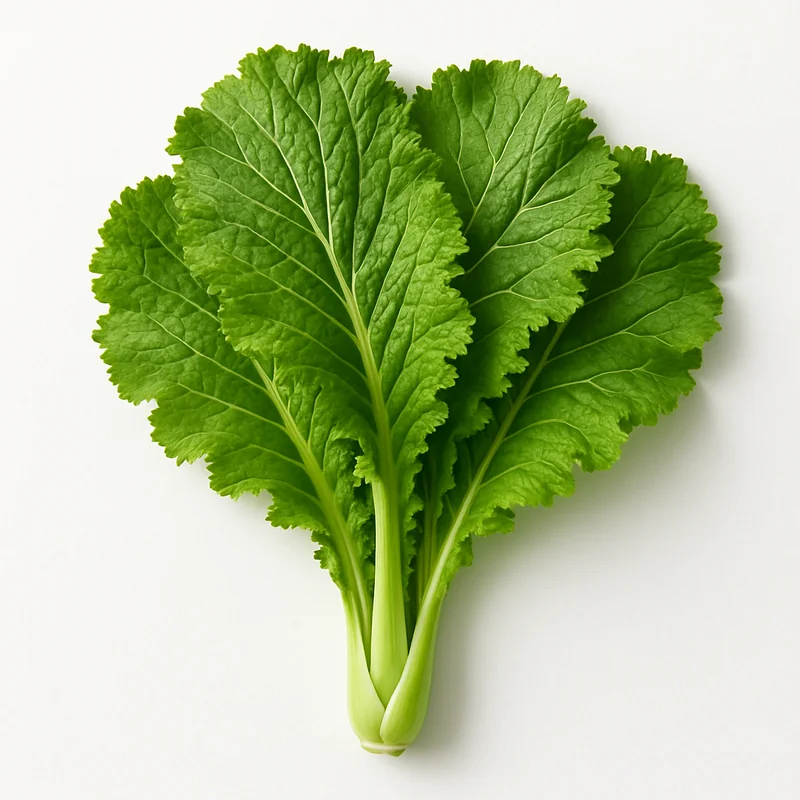
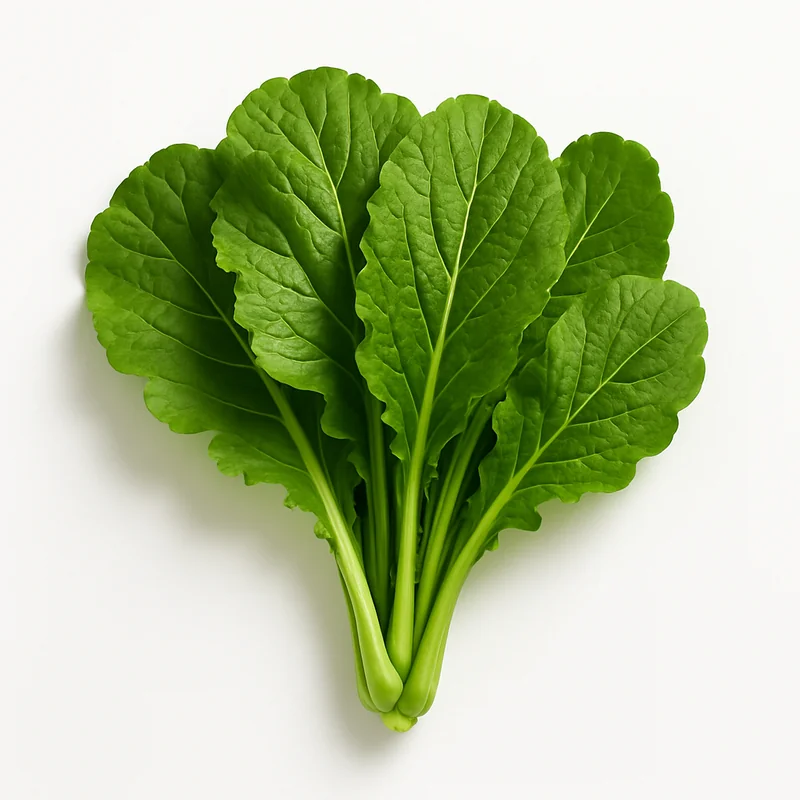
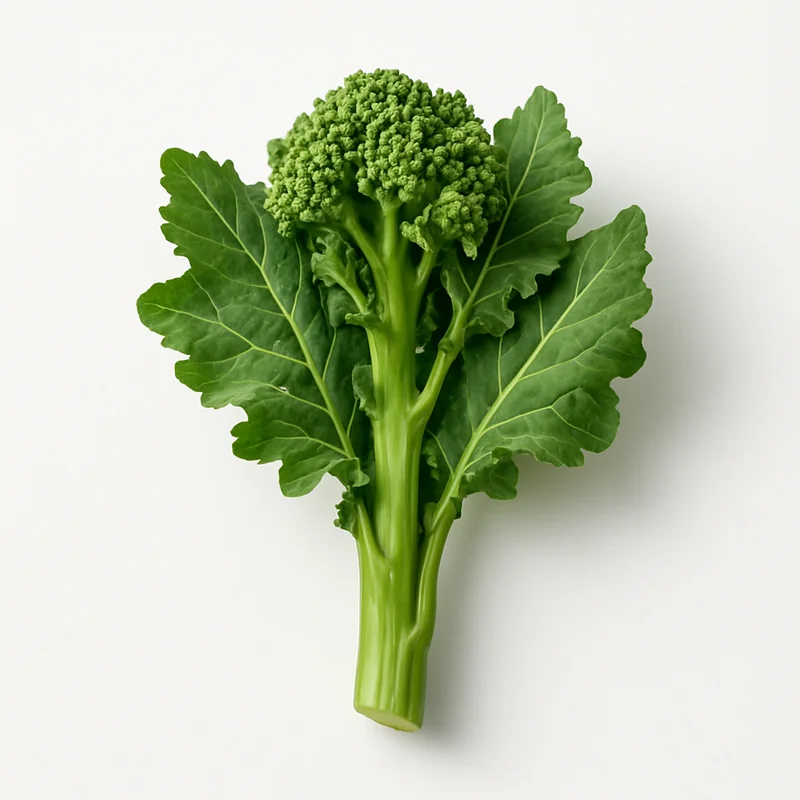
What is Yardlong Bean actually covering?
See which nutrients your diet already delivers and which ones your supplements still need to — food and pills measured on the same scale.
Check my nutrients2 questions · free · no account needed to start
Also on iPhone — get the free app
Evidence-based supplement guides, no spam
We send a short digest when new guides drop — nothing else. No affiliate pushes, no sponsored content, unsubscribe anytime.