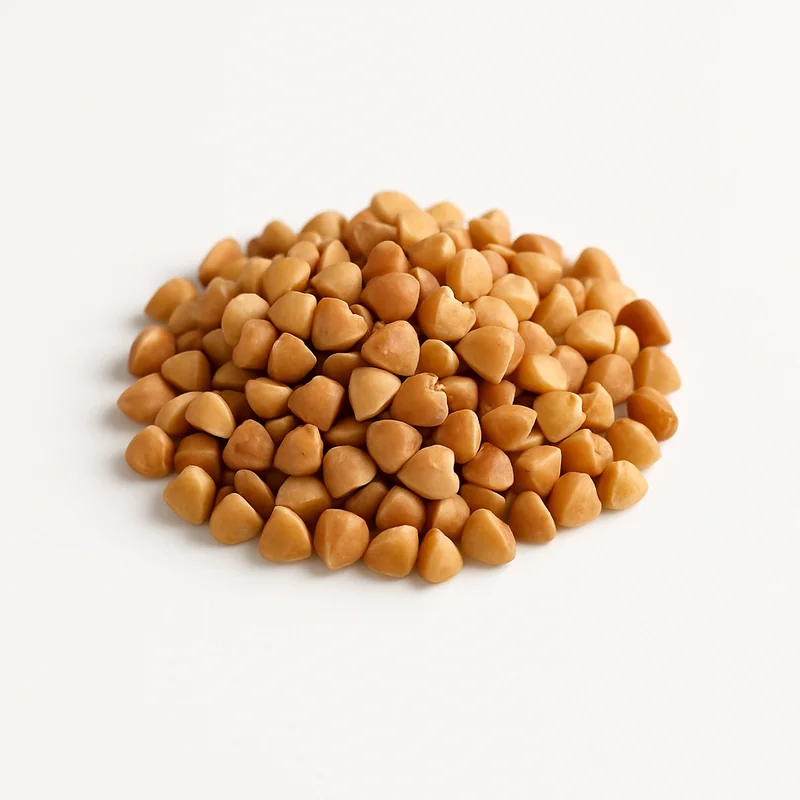
Buckwheat
ScoreB
Buckwheat is a pseudocereal seed with complete protein containing all nine essential amino acids, offering significant micronutrient density despite its modest calorie content. Its unique polyphenol profile and resistant starch make it particularly valuable for metabolic and cardiovascular health.
Why Buckwheat scores 70
% Daily Value per ½ cup (50 g)
Nutrition
per 100 g
Health benefits
Improved insulin sensitivity and blood glucose control
moderate evidenceBuckwheat's resistant starch and D-chiro-inositol content slow glucose absorption and enhance insulin receptor signaling, reducing postprandial blood sugar spikes
Enhanced cardiovascular function and reduced hypertension risk
moderate evidenceRutin and other flavonoids improve endothelial function and vasodilation, while high potassium (414mg) supports healthy blood pressure regulation
Reduced systemic inflammation and oxidative stress
moderate evidencePolyphenols including rutin, quercetin, and catechin act as antioxidants and activate Nrf2 pathways, suppressing pro-inflammatory cytokine production
Complete amino acid profile supporting muscle maintenance and tissue repair
strong evidenceBuckwheat's lysine-rich protein complements legumes and grains, providing all nine essential amino acids necessary for protein synthesis in aging muscle
Improved lipid profiles and cholesterol management
moderate evidenceSoluble fiber and resistant starch increase SCFA production via gut fermentation, promoting FXR and TGR5 signaling that reduces LDL cholesterol synthesis
Pairs well with
- ·Pair with legumes (lentils, chickpeas) because buckwheat's methionine complements legumes' lysine, creating a complete amino acid profile superior to either alone
- ·Combine with turmeric and black pepper because fat-soluble curcumin absorption is enhanced by buckwheat's polyphenol matrix, and piperine amplifies curcumin bioavailability
- ·Mix with leafy greens (spinach, kale) because buckwheat's magnesium (203mg) and manganese enhance chlorophyll absorption and support mineral bioavailability in green vegetables
- ·Pair with fermented foods (sauerkraut, miso, tempeh) because buckwheat's fiber serves as prebiotic substrate for fermented food probiotics, optimizing gut microbiota composition
Practical tips
- ·Best timing: midday
- ·Activate buckwheat groats by soaking 8-12 hours in water before cooking to reduce phytic acid content and improve mineral bioavailability by up to 35%
- ·Toast dry buckwheat groats for 5 minutes before cooking to enhance nutty flavor and reduce cooking time; the Maillard reaction also increases antioxidant compound concentration
- ·Store buckwheat in airtight containers away from heat and light; the high unsaturated fat content (3.04g) can oxidize, so refrigerate opened containers to preserve polyphenol integrity
- ·Cook with a pinch of sea salt to enhance mineral absorption and bring out umami notes; buckwheat's magnesium is better absorbed with adequate sodium balance
- ·Consume buckwheat 2-3 hours before bed as a complex carbohydrate source to support serotonin and melatonin synthesis through tryptophan availability
Related foods
What is Buckwheat actually covering?
See which nutrients your diet already delivers and which ones your supplements still need to — food and pills measured on the same scale.
Check my nutrients2 questions · free · no account needed to start
Also on iPhone — get the free app
Evidence-based supplement guides, no spam
We send a short digest when new guides drop — nothing else. No affiliate pushes, no sponsored content, unsubscribe anytime.