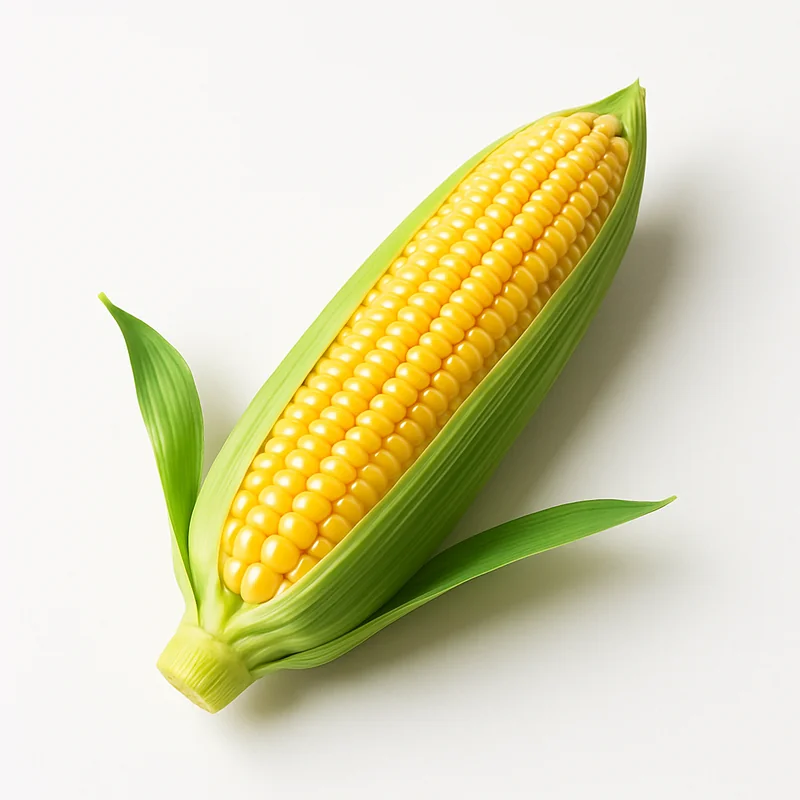
Corn
ScoreA
Corn is a starchy grain-vegetable rich in carbohydrates, fiber, and B vitamins, providing sustained energy and supporting metabolic health. It contains bioactive compounds including lutein and zeaxanthin that protect eye health.
Why Corn scores 81
% Daily Value per ½ cup (85 g)
Nutrition
per 100 g
Health benefits
Supports eye health and reduces age-related macular degeneration risk
strong evidenceLutein and zeaxanthin accumulate in the macula, filtering blue light and protecting retinal cells from oxidative damage
Maintains stable blood glucose and supports metabolic health
moderate evidenceWhole corn fiber slows carbohydrate absorption and promotes short-chain fatty acid production in the colon, improving insulin sensitivity
Supports bone health and mineral density
moderate evidencePhosphorus and magnesium work synergistically with dietary calcium to maintain bone matrix structure and mineralization
Enhances cognitive function and energy metabolism
moderate evidenceNiacin (1.6mg/100g) participates in NAD+ synthesis, critical for mitochondrial energy production and neurotransmitter synthesis
Promotes digestive health and microbiota diversity
moderate evidenceSoluble and insoluble fiber prebiotically feed beneficial bacteria, increasing butyrate production for intestinal barrier integrity
Pairs well with
- ·Pair with leafy greens (spinach, kale) because lutein bioavailability increases 5-10 fold with dietary fat from olive oil or nuts
- ·Combine with legumes (black beans, lentils) because together they form a complete amino acid profile, improving protein quality for muscle maintenance
- ·Eat with tomatoes and red peppers because lycopene and vitamin C enhance carotenoid absorption and reduce post-meal glucose response
- ·Pair with healthy fats (avocado, nuts, fish) because lipid-soluble antioxidants require dietary fat for absorption in the small intestine
Practical tips
- ·Best timing: midday
- ·Choose fresh or frozen whole corn kernels over canned varieties to minimize sodium (up to 350mg per cup in canned products) and preserve heat-sensitive B vitamins
- ·Store fresh corn in the refrigerator in husks for up to 3 days; freezing blanched kernels preserves lutein content for 8+ months
- ·Boil rather than microwave to reduce phytic acid (antinutrient) by 50%, enhancing mineral bioavailability—boil 15-20 minutes in unsalted water
- ·Avoid frequent consumption of refined corn products (corn flour, high-fructose corn syrup) which lack germ and bran; prioritize whole corn or polenta
- ·Consume with black pepper (piperine) to increase lutein absorption by enhancing intestinal permeability
Related foods
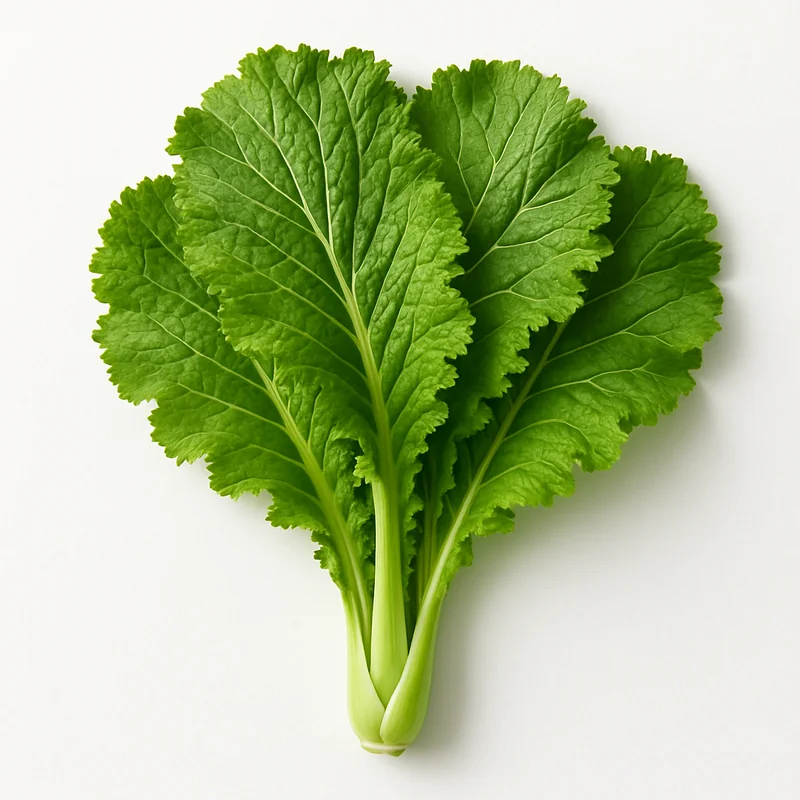
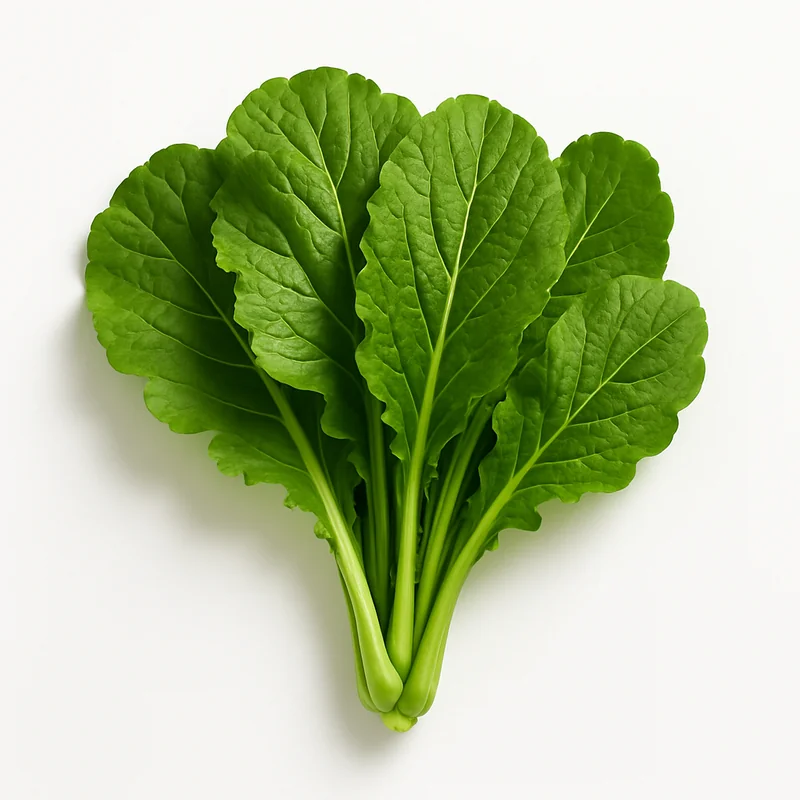
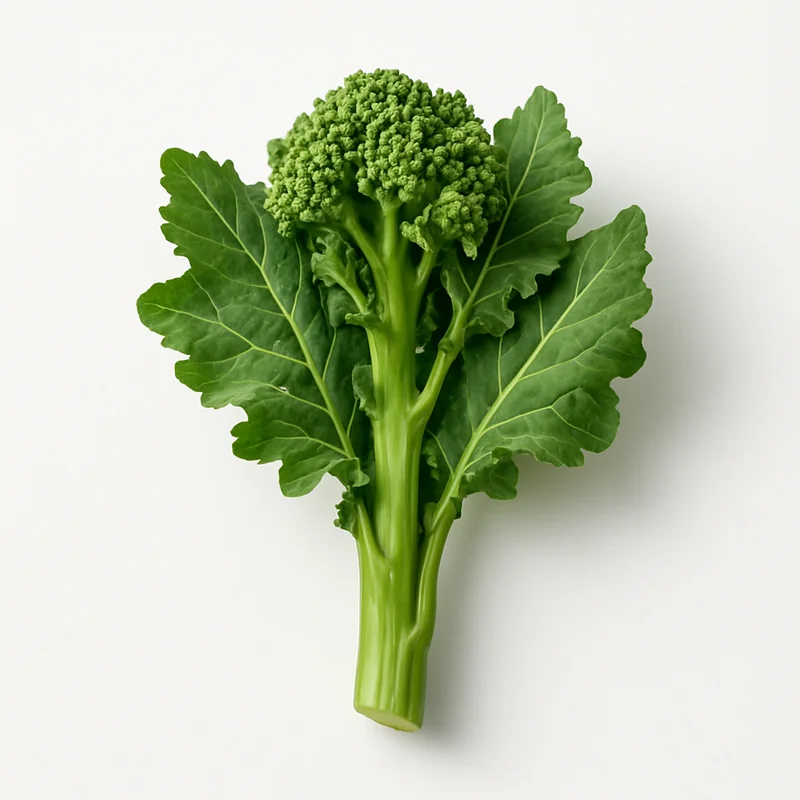
What is Corn actually covering?
See which nutrients your diet already delivers and which ones your supplements still need to — food and pills measured on the same scale.
Check my nutrients2 questions · free · no account needed to start
Also on iPhone — get the free app
Evidence-based supplement guides, no spam
We send a short digest when new guides drop — nothing else. No affiliate pushes, no sponsored content, unsubscribe anytime.