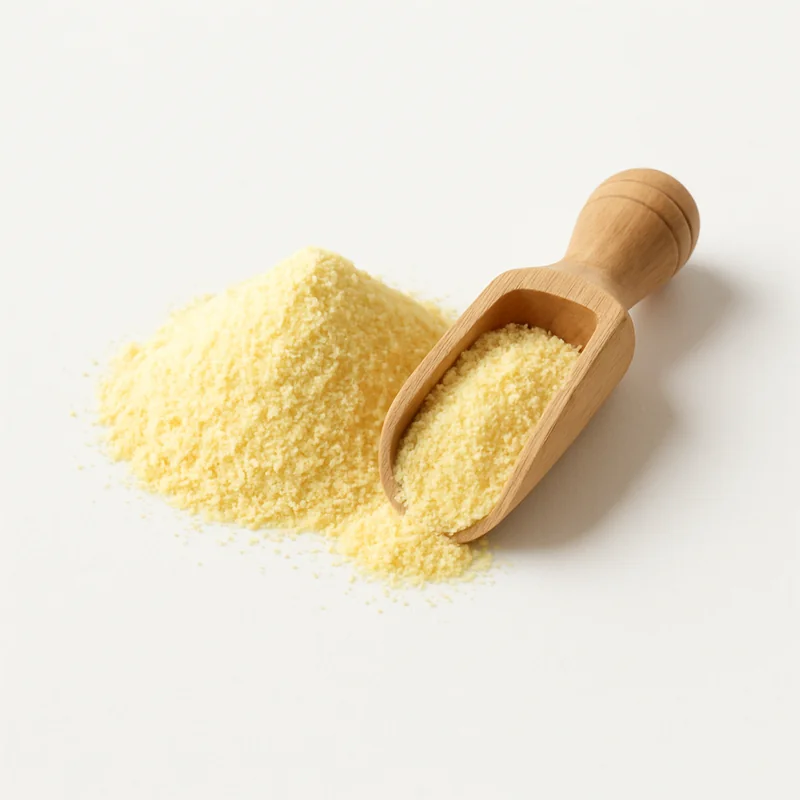
Corn Flour
ScoreB
Corn flour is a finely ground whole grain flour made from dried corn kernels, rich in carbohydrates, fiber, and B vitamins essential for energy metabolism and neurological health.
Why Corn Flour scores 65
% Daily Value per 1 oz (30 g)
Nutrition
per 100 g
Health benefits
Supports digestive health and metabolic stability through high dietary fiber content
strong evidenceDietary fiber feeds beneficial gut bacteria, promotes regular bowel movements, and helps maintain stable blood glucose and insulin levels, reducing metabolic dysfunction risk
Supports cellular energy production and cognitive function via niacin (B3) content
strong evidenceNiacin is a precursor to NAD+, a critical coenzyme in mitochondrial ATP synthesis and DNA repair pathways essential for cellular longevity
Promotes cardiovascular and muscle function through magnesium and potassium content
strong evidenceMagnesium regulates muscle contraction, nerve signaling, and vascular tone; potassium supports blood pressure regulation and cardiac function
Supports eye health and reduces macular degeneration risk via lutein and zeaxanthin
moderate evidenceThese carotenoids accumulate in retinal tissue, filtering harmful blue light and providing antioxidant protection against age-related photodamage
Provides bioavailable zinc and iron for immune function and oxygen transport
moderate evidenceZinc supports immune cell development and wound healing; iron is essential for hemoglobin synthesis and mitochondrial electron transport
Pairs well with
- ·Pair with black beans because together they form a complete protein profile (complementary amino acids) and enhance iron absorption through vitamin C from bean compounds
- ·Pair with leafy greens (spinach, kale) because lutein and zeaxanthin in corn are fat-soluble and benefit from the chlorophyll-rich greens' synergistic antioxidant effects
- ·Pair with healthy fats (olive oil, avocado) because fat-soluble carotenoids (lutein, zeaxanthin, beta-carotene) require dietary fat for optimal absorption
- ·Pair with tomatoes because lycopene in tomatoes combines with corn's carotenoids to provide broader antioxidant protection against oxidative stress
Practical tips
- ·Best timing: midday
- ·Choose whole grain corn flour (retains bran and germ) over refined cornmeal to maximize fiber, micronutrient, and phytonutrient content
- ·Store corn flour in an airtight container in a cool, dark place or refrigerator to prevent rancidity of the germ's polyunsaturated fats; use within 3-6 months for optimal freshness
- ·Combine 1 part corn flour with other flours (whole wheat, almond) in baking to improve amino acid profile and reduce glycemic impact while maintaining texture
- ·Prepare polenta or cornmeal porridge by cooking corn flour with broth and vegetables to increase mineral bioavailability through gentle heat and create a satisfying, fiber-rich meal
- ·Consider nixtamalization (traditional process of treating corn with alkali) when possible, as it increases niacin bioavailability and calcium content
Related foods
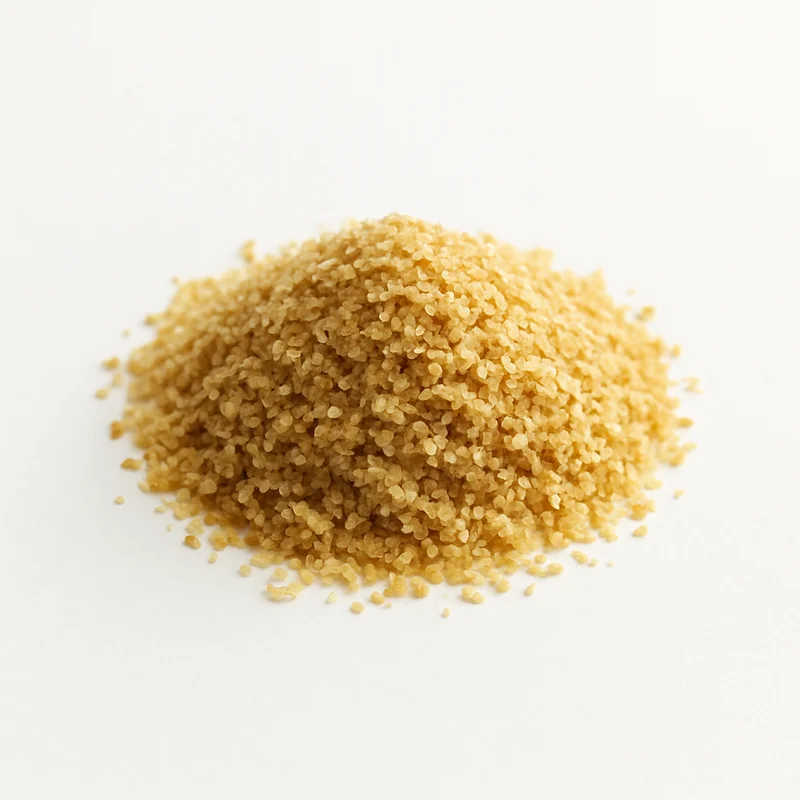
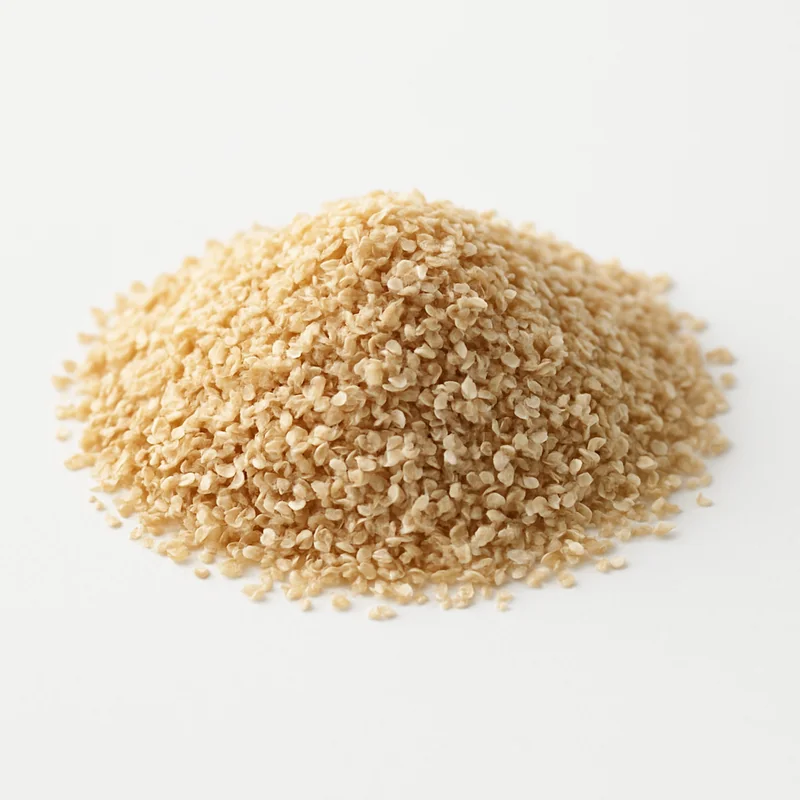
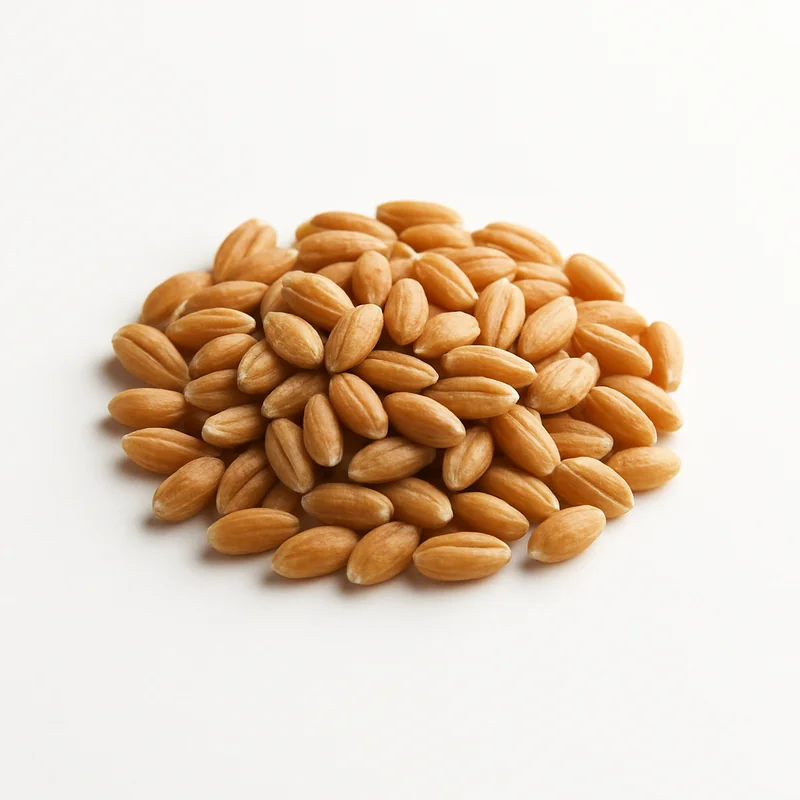
What is Corn Flour actually covering?
See which nutrients your diet already delivers and which ones your supplements still need to — food and pills measured on the same scale.
Check my nutrients2 questions · free · no account needed to start
Also on iPhone — get the free app
Evidence-based supplement guides, no spam
We send a short digest when new guides drop — nothing else. No affiliate pushes, no sponsored content, unsubscribe anytime.