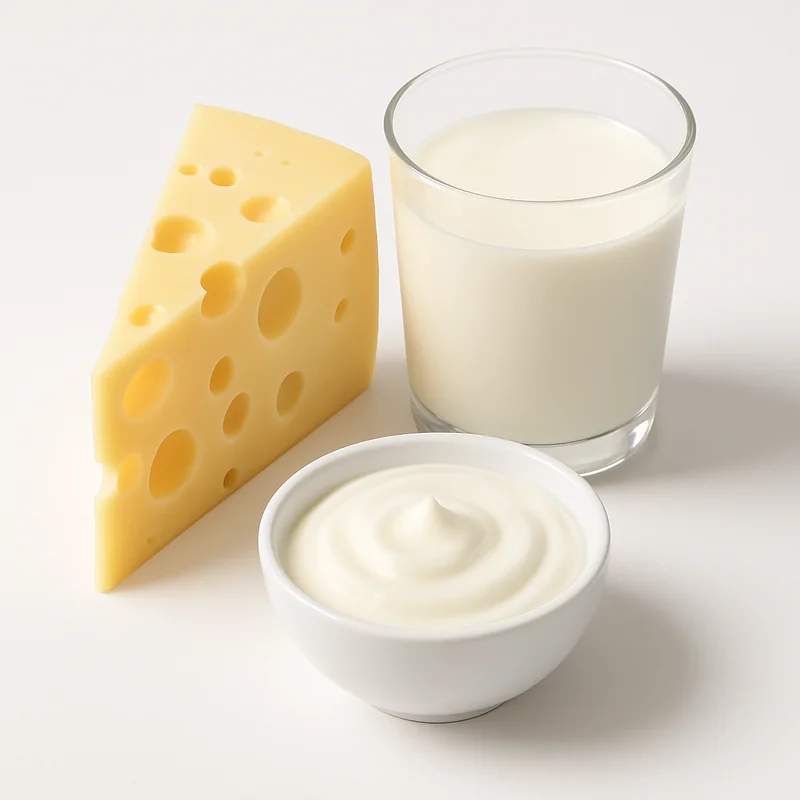
Swiss Cheese Slice
ScoreC
Swiss cheese is a hard cheese characterized by its distinctive holes and nutty, slightly sweet flavor, offering concentrated sources of protein, calcium, and vitamin B12 with lower lactose content than many dairy products.
Why Swiss Cheese Slice scores 49
% Daily Value per 1 oz (30 g)
Nutrition
per 100 g
Health benefits
Supports bone and skeletal health through high bioavailable calcium and phosphorus
strong evidenceCalcium and phosphorus are structural minerals essential for bone mineralization; Swiss cheese's low lactose and fermentation process enhance mineral bioavailability compared to milk
Preserves lean muscle mass and supports protein synthesis in aging populations
strong evidenceHigh-quality complete protein containing all essential amino acids stimulates mTOR signaling and muscle protein synthesis; leucine content is particularly important for anabolic response
Supports cognitive function and neurological health through B12 and phospholipids
moderate evidenceVitamin B12 is essential for myelin formation and homocysteine metabolism; phosphatidylcholine in cheese supports acetylcholine synthesis and neural membrane integrity
May improve cardiovascular and metabolic health through conjugated linoleic acid (CLA)
emerging evidenceCLA modulates inflammatory pathways and may enhance insulin sensitivity; produced naturally during fermentation and from grass-fed cow milk
Supports microbiota balance through natural fermentation and beneficial bacteria
moderate evidenceThe cheese-making process preserves beneficial lactic acid bacteria and creates short-chain fatty acids that nourish intestinal epithelium
Pairs well with
- ·Pair with leafy greens (spinach, arugula) because polyphenols enhance calcium absorption and reduce oxalate interference with mineral bioavailability
- ·Combine with whole grain bread because soluble fiber slows digestive transit, improving amino acid absorption and providing sustained satiety
- ·Eat with tomatoes or red peppers because vitamin C enhances non-heme mineral absorption, though cheese already provides highly bioavailable heme-equivalent minerals
- ·Pair with apple slices because quercetin and polyphenols provide complementary anti-inflammatory compounds while acidity aids protein digestion
- ·Combine with fermented vegetables (sauerkraut, kimchi) to create synergistic probiotic and prebiotic effects supporting gut microbiota diversity
Practical tips
- ·Best timing: midday
- ·Store Swiss cheese wrapped in parchment paper (not plastic) in the cheese drawer at 35-40°F to maintain texture and prevent moisture accumulation; it keeps 3-4 weeks
- ·Select aged Swiss cheese (minimum 6 months) over mild varieties as extended fermentation further reduces lactose and increases probiotic diversity and mineral bioavailability
- ·Consume as a complete protein source at lunch or dinner pairing with complex carbohydrates; a 30-40g serving provides 10-12g protein to stimulate muscle protein synthesis
- ·If lactose-sensitive, Swiss cheese is superior to softer cheeses due to natural lactose reduction during fermentation (typically <0.5g per 100g compared to 1-2g in softer varieties)
- ·Grate fresh Swiss cheese into meals rather than buying pre-shredded versions, which contain anti-caking additives that reduce bioavailability and nutrient density
Related foods
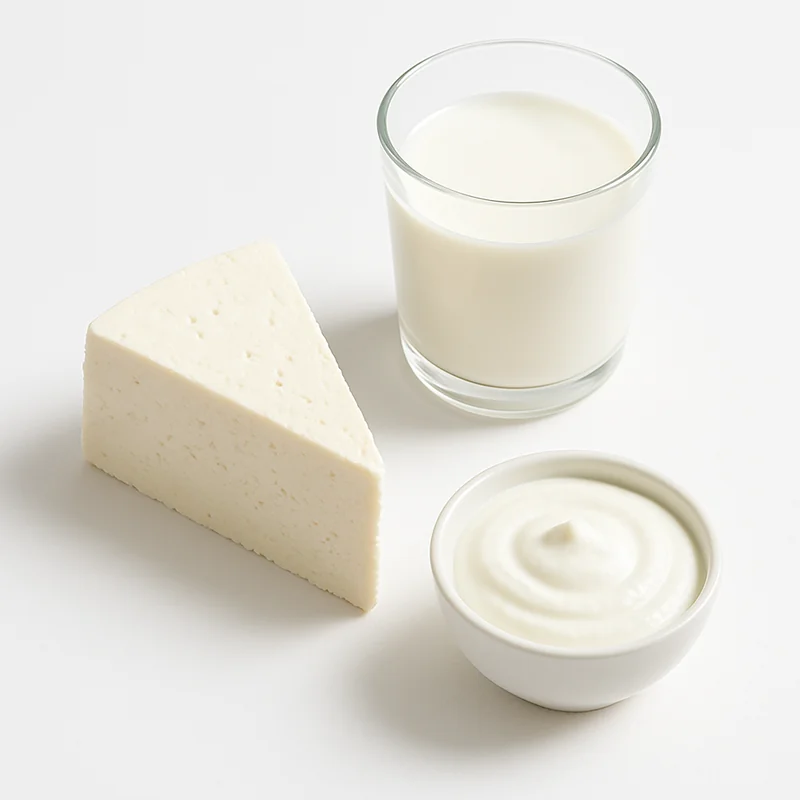
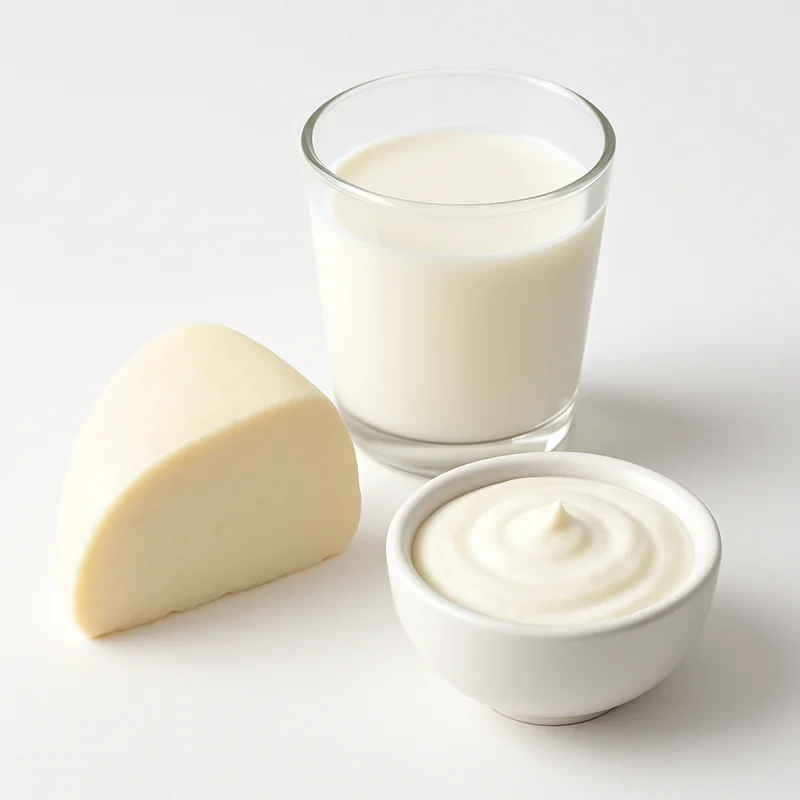
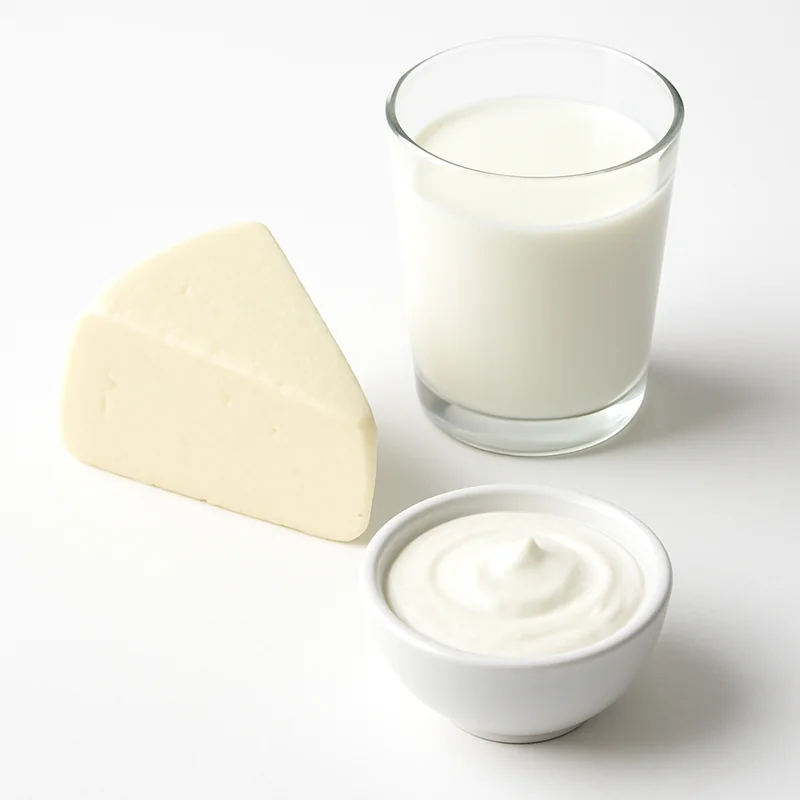
What is Swiss Cheese Slice actually covering?
See which nutrients your diet already delivers and which ones your supplements still need to — food and pills measured on the same scale.
Check my nutrients2 questions · free · no account needed to start
Also on iPhone — get the free app
Evidence-based supplement guides, no spam
We send a short digest when new guides drop — nothing else. No affiliate pushes, no sponsored content, unsubscribe anytime.