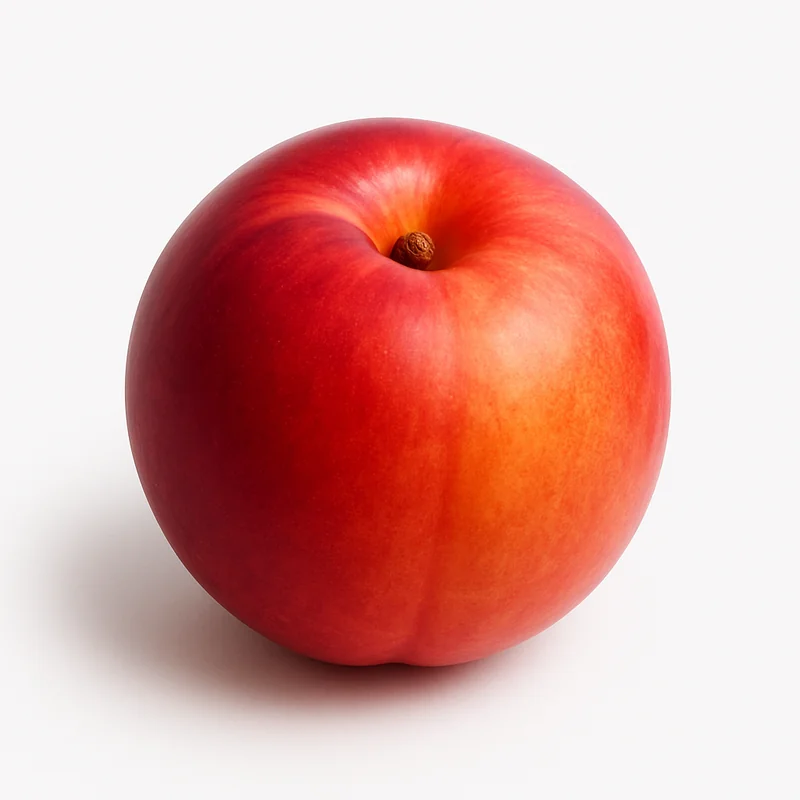
Nectarine
ScoreB
Nectarines are smooth-skinned stone fruits rich in vitamins C and A, dietary fiber, and polyphenol antioxidants that support cellular health and longevity.
Why Nectarine scores 65
% Daily Value per 1 medium (140 g)
Nutrition
per 100 g
Health benefits
Enhanced antioxidant defense and reduced oxidative stress
moderate evidencePolyphenols including catechins and chlorogenic acid neutralize free radicals, reducing cellular damage and supporting healthy aging pathways
Improved digestive health and prebiotic support
moderate evidenceDietary fiber and sorbitol in nectarines promote beneficial gut microbiota growth and enhance bowel regularity
Enhanced immune and skin health through vitamin C
strong evidenceVitamin C acts as a cofactor for collagen synthesis and immune cell function, supporting barrier integrity and immune response
Support for eye and cardiovascular health
moderate evidenceCarotenoids (lutein, zeaxanthin) and potassium reduce oxidative stress in ocular tissues and support vascular function
Modulation of glucose metabolism and inflammatory markers
emerging evidencePolyphenols enhance insulin sensitivity and suppress pro-inflammatory cytokine production
Pairs well with
- ·Pair with almonds or walnuts because their vitamin E and polyphenols synergistically enhance antioxidant capacity and support lipid metabolism
- ·Combine with Greek yogurt or cottage cheese because protein increases satiety and slows glucose absorption, stabilizing blood sugar response
- ·Pair with leafy greens in smoothies because vitamin C from nectarines enhances non-heme iron absorption from spinach or kale
- ·Combine with ginger or turmeric because these spices amplify anti-inflammatory polyphenol effects and enhance gut absorption
- ·Pair with chia or flax seeds because combined fiber creates a prebiotic effect that feeds beneficial gut bacteria more effectively
Practical tips
- ·Best timing: midday
- ·Select nectarines with slight give when gently squeezed—they should be fragrant and free from soft spots, indicating peak ripeness and maximum antioxidant concentration
- ·Store ripe nectarines in the refrigerator (32-40°F) in a perforated bag to extend shelf life 1-2 weeks while preserving polyphenol content
- ·Consume skin-on to maximize fiber and polyphenol intake; the skin contains concentrated antioxidants absent in peeled fruit
- ·Eat within 1-2 hours of cutting to preserve vitamin C content, which oxidizes rapidly after exposure to air
- ·Freeze ripe nectarines in season for use in smoothies—freezing preserves polyphenol content effectively for 6+ months
Related foods


What is Nectarine actually covering?
See which nutrients your diet already delivers and which ones your supplements still need to — food and pills measured on the same scale.
Check my nutrients2 questions · free · no account needed to start
Also on iPhone — get the free app
Evidence-based supplement guides, no spam
We send a short digest when new guides drop — nothing else. No affiliate pushes, no sponsored content, unsubscribe anytime.