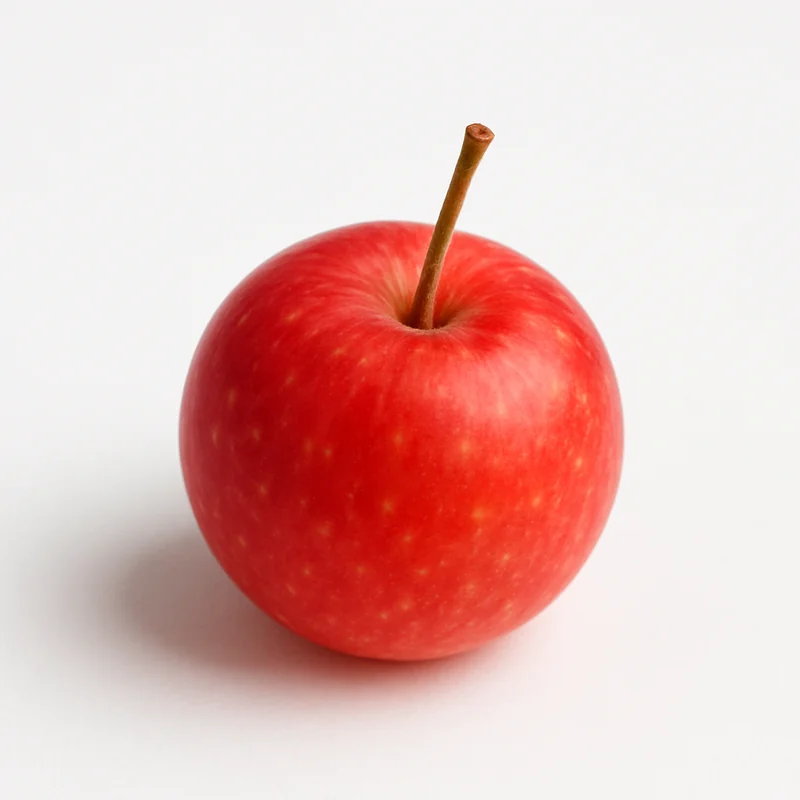
Crabapple
ScoreC
Crabapples are small, tart wild apples rich in polyphenols and potassium, offering comparable antioxidant density to cultivated apples in a more concentrated form. Their high pectin content and micronutrient profile support cardiovascular and metabolic health.
Why Crabapple scores 56
% Daily Value per 1 medium (140 g)
Nutrition
per 100 g
Health benefits
Cardiovascular protection through improved endothelial function and blood pressure regulation
strong evidenceQuercetin and other polyphenols enhance nitric oxide bioavailability in blood vessels, improving vasodilation; potassium (194mg/100g) supports healthy blood pressure by counteracting sodium and reducing arterial stiffness
Enhanced cholesterol management via pectin-mediated LDL reduction
moderate evidenceSoluble pectin fiber binds bile acids in the intestinal lumen, increasing fecal cholesterol excretion and upregulating hepatic LDL receptor expression
Improved glycemic control and insulin sensitivity
moderate evidencePolyphenols (particularly chlorogenic acid) inhibit intestinal glucose absorption and enhance glucose metabolism in skeletal muscle; low glycemic impact preserves insulin sensitivity
Gut microbiota diversity and short-chain fatty acid production
moderate evidenceHigh pectin and polyphenol content serve as prebiotics, selectively promoting beneficial bacteria (Faecalibacterium, Roseburia) that produce butyrate for intestinal barrier integrity
Antioxidant defense against age-related cellular damage
strong evidenceDense polyphenolic profile (quercetin, catechin, chlorogenic acid) directly scavenges free radicals and activates endogenous antioxidant enzyme systems (SOD, catalase)
Pairs well with
- ·Pair with fermented foods (sauerkraut, kimchi, yogurt) because polyphenol-rich crabapples act as prebiotics synergizing with existing probiotics to amplify gut microbiota diversity
- ·Combine with healthy fats (walnuts, flax seeds, olive oil) because lipid-soluble polyphenols (especially quercetin) enhance absorption when consumed with dietary fat
- ·Pair with cinnamon or ginger in cooked preparations because these spices contain complementary polyphenols (cinnamaldehyde, gingerol) that have synergistic anti-inflammatory effects
- ·Mix into plain Greek yogurt or cottage cheese because protein slows glucose absorption and extends satiety, while casein may enhance polyphenol bioavailability
Practical tips
- ·Best timing: Crabapples have low glycemic impact and negligible fructose burden, making them suitable across the day. Mid-morning or post-lunch consumption may offer marginal advantage for pectin's cholesterol-binding effect; however, total daily intake matters more than timing. Avoid immediately before intense workouts (tart flavor may cause mild gastric discomfort) but otherwise timing is flexible.
- ·Consume crabapples whole with skin intact, as 60-70% of polyphenols concentrate in and directly under the peel; discard only the seeds and core
- ·Store fresh crabapples in refrigeration (1-2°C) in breathable bags for up to 8 weeks; they maintain polyphenol stability better than larger apples due to higher skin-to-flesh ratio
- ·For maximum pectin extraction, cook crabapples with minimal water (15-20 min) into unsweetened compote or preserve; heating does not significantly degrade polyphenols and increases pectin solubility
- ·Select firm, unblemished fruits with deep red or yellow coloring; darker skin indicates higher anthocyanin and quercetin content
- ·If tart flavor is challenging, add crabapples to herbal tea or slice thinly into salads rather than consuming raw alone; this improves palatability while preserving nutrients
Related foods
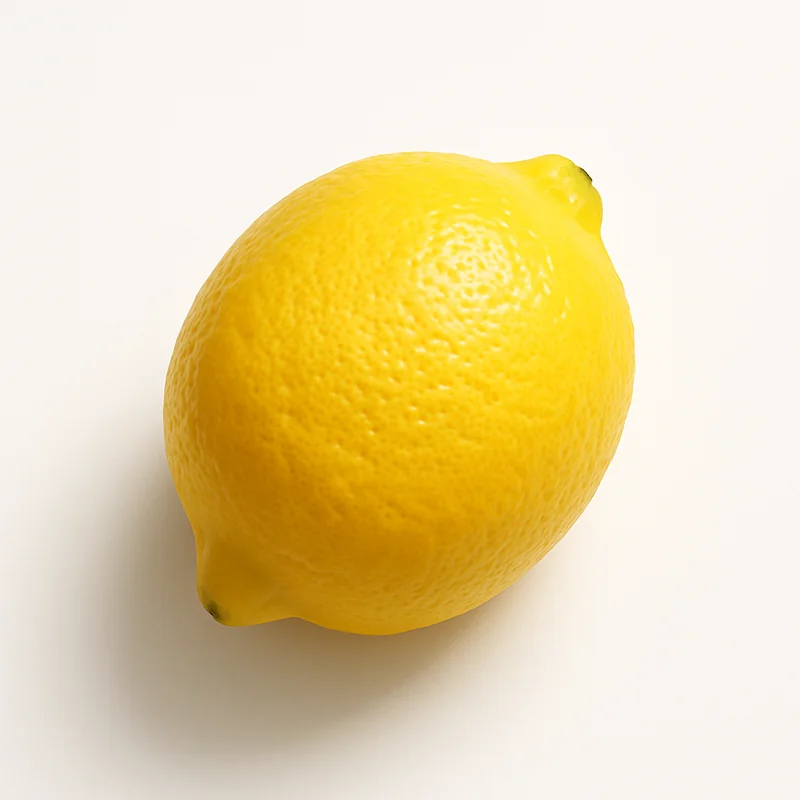
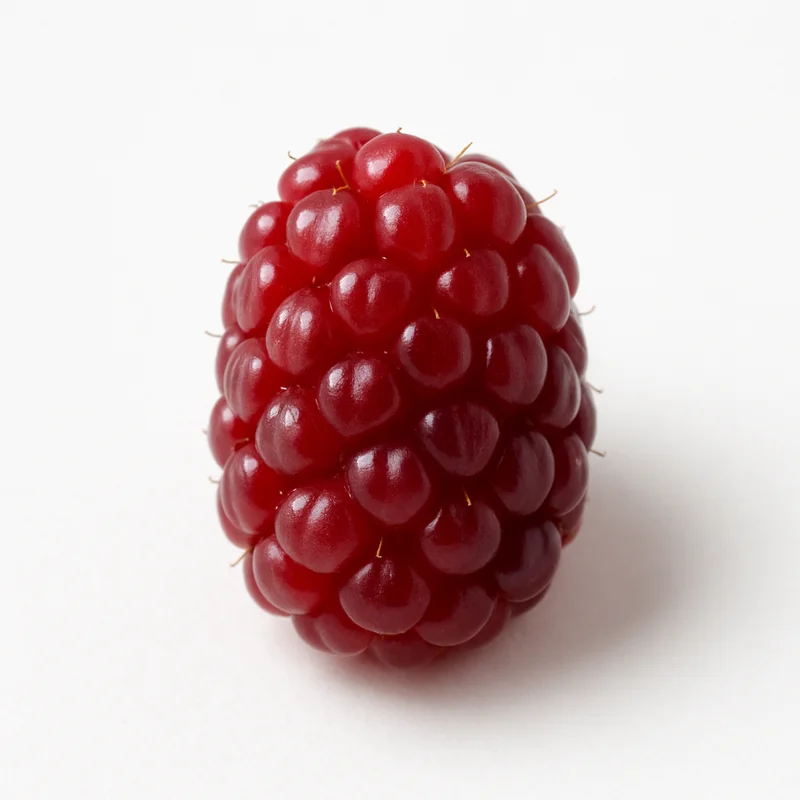
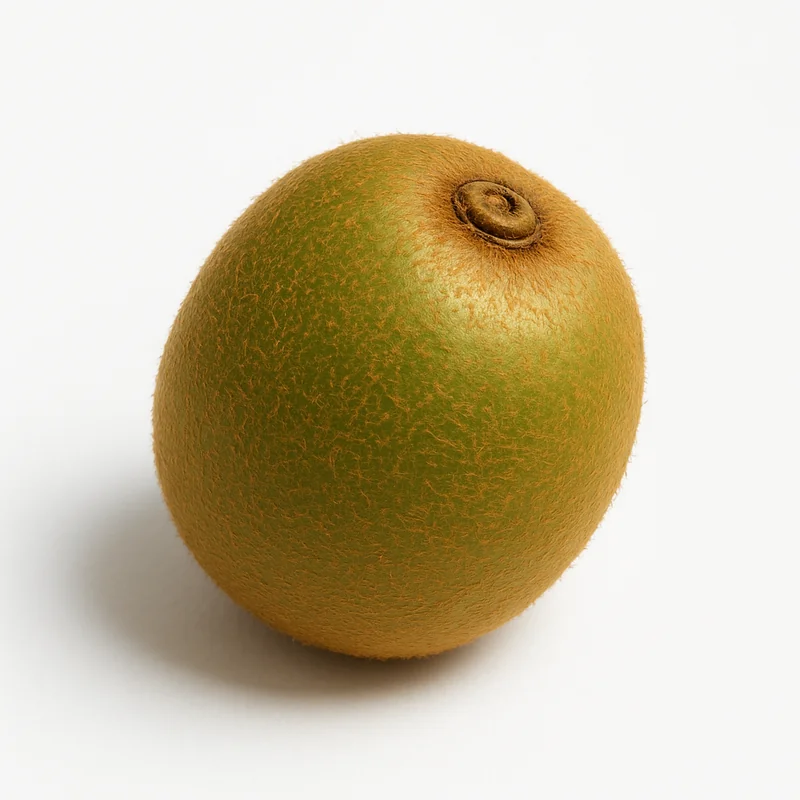
What is Crabapple actually covering?
See which nutrients your diet already delivers and which ones your supplements still need to — food and pills measured on the same scale.
Check my nutrients2 questions · free · no account needed to start
Also on iPhone — get the free app
Evidence-based supplement guides, no spam
We send a short digest when new guides drop — nothing else. No affiliate pushes, no sponsored content, unsubscribe anytime.