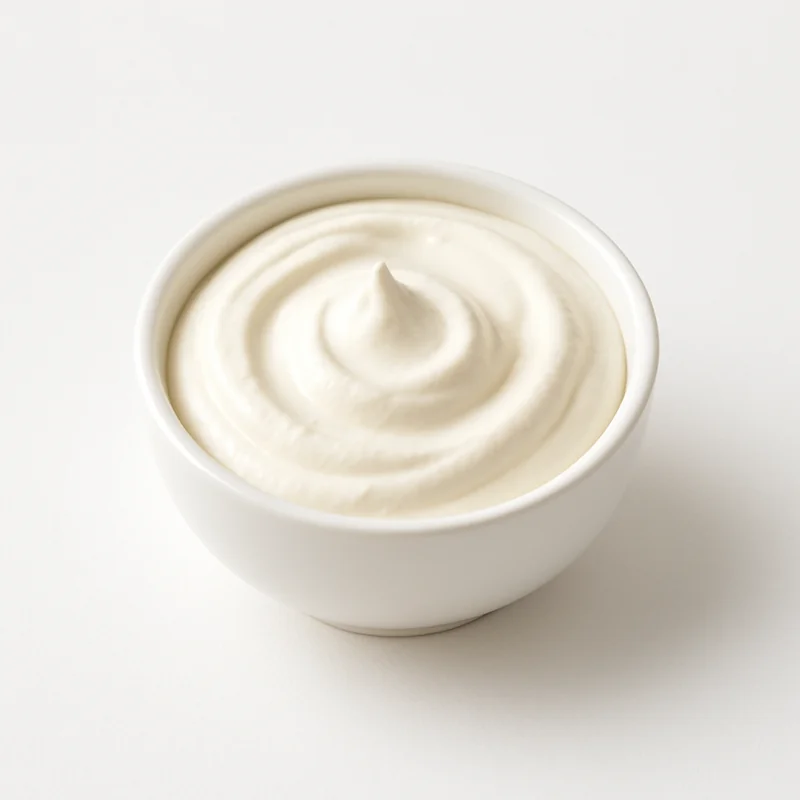
Sour Cream
ScoreD
Sour cream is a fermented dairy product made by culturing regular cream with lactic acid bacteria, providing probiotics, fat-soluble vitamins, and bioavailable nutrients that support gut health and nutrient absorption.
Why Sour Cream scores 23
% Daily Value per 1 oz (30 g)
Nutrition
per 100 g
Health benefits
Supports gut microbiome diversity through live lactic acid bacteria
moderate evidenceFermentation generates Lactobacillus species that colonize the intestinal tract, promoting beneficial microbial diversity and producing short-chain fatty acids that reduce inflammation
Enhances absorption of fat-soluble vitamins (A, D, E, K2)
strong evidenceHigh fat content and presence of lipase from fermentation improve bioavailability of vitamins A, D, E, and K2, essential for bone health, immune function, and arterial elasticity
Improves lactose tolerance compared to unfermented dairy
moderate evidenceFermentation process reduces lactose content by 20-30% through bacterial metabolism, making it suitable for lactose-sensitive individuals
Provides bioavailable calcium and phosphorus for bone health
moderate evidenceFermentation reduces phytic acid and increases mineral bioavailability; fat-soluble vitamin K2 activates bone-building proteins (osteocalcin)
May support metabolic health through CLA and butyrate precursors
emerging evidenceConjugated linoleic acid and fermentation byproducts promote healthy body composition and support colon epithelial cell health
Pairs well with
- ·Pair with beets or leafy greens because fat-soluble vitamins in sour cream enhance absorption of fat-soluble antioxidants and minerals from vegetables
- ·Combine with fatty fish (salmon, mackerel) because synergistic vitamin D and omega-3 content optimizes bone health and anti-inflammatory effects
- ·Mix into soups or stews with herbs (dill, parsley) because fat emulsifies herb phytochemicals, increasing their bioavailability
- ·Use as topping for legumes (lentils, chickpeas) because probiotics and fats aid protein digestion and reduce antinutrient burden from legume lectins
Practical tips
- ·Best timing: midday
- ·Choose full-fat sour cream from grass-fed dairy sources, which contain 50% more CLA and higher K2 content than conventional versions
- ·Store in the coldest part of your refrigerator (32-34°F) to preserve live cultures; use within 1-2 weeks of opening for maximum probiotic content
- ·Add sour cream to hot dishes at the end of cooking to preserve heat-sensitive probiotics and avoid curdling
- ·Use 1-2 tablespoons as a condiment rather than a main ingredient to gain probiotic and nutrient benefits while managing caloric intake (90-180 kcal per serving)
Related foods
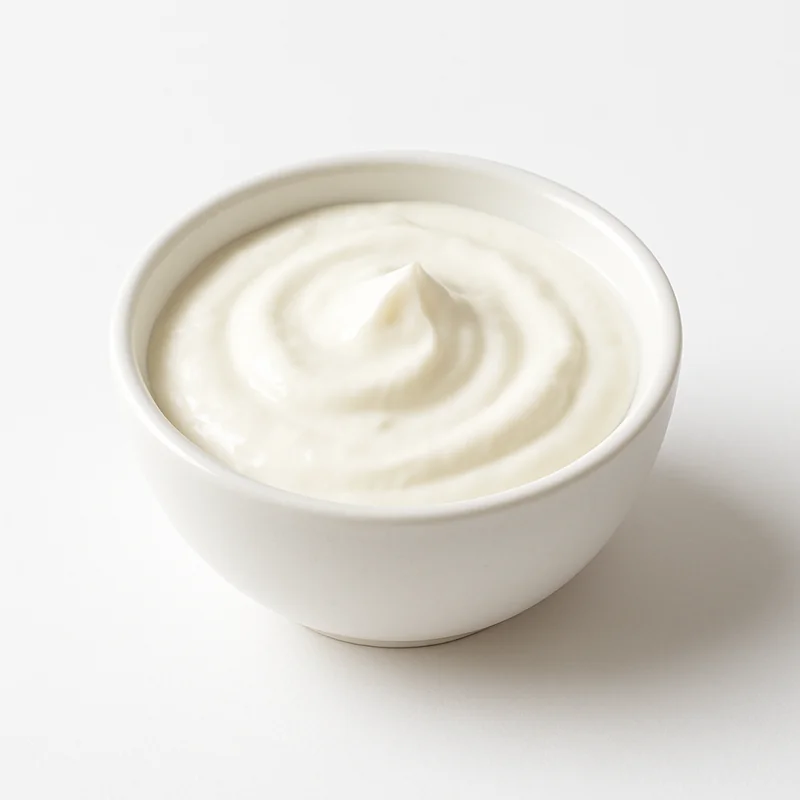
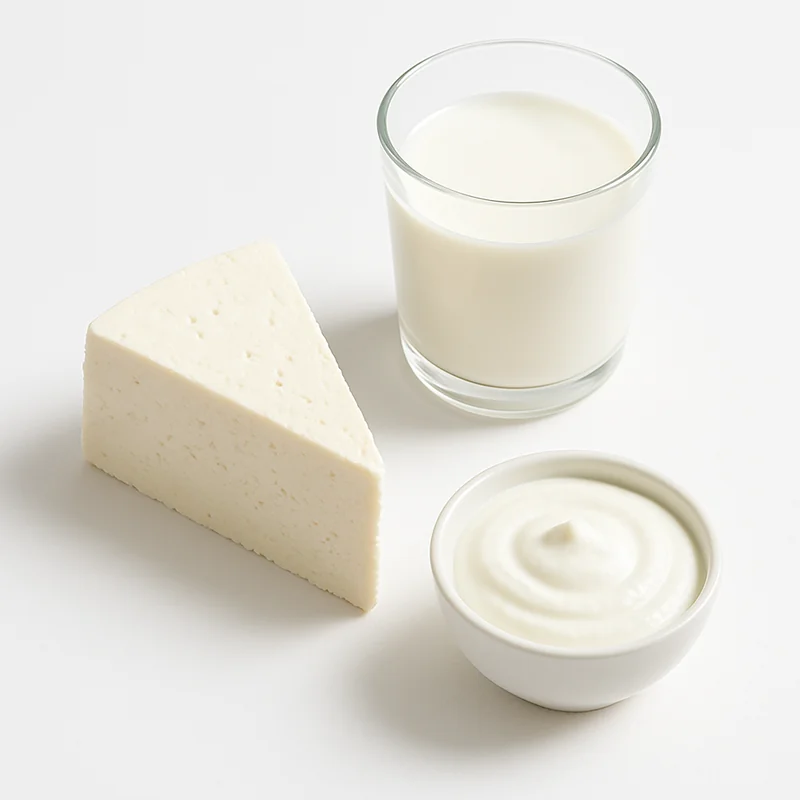
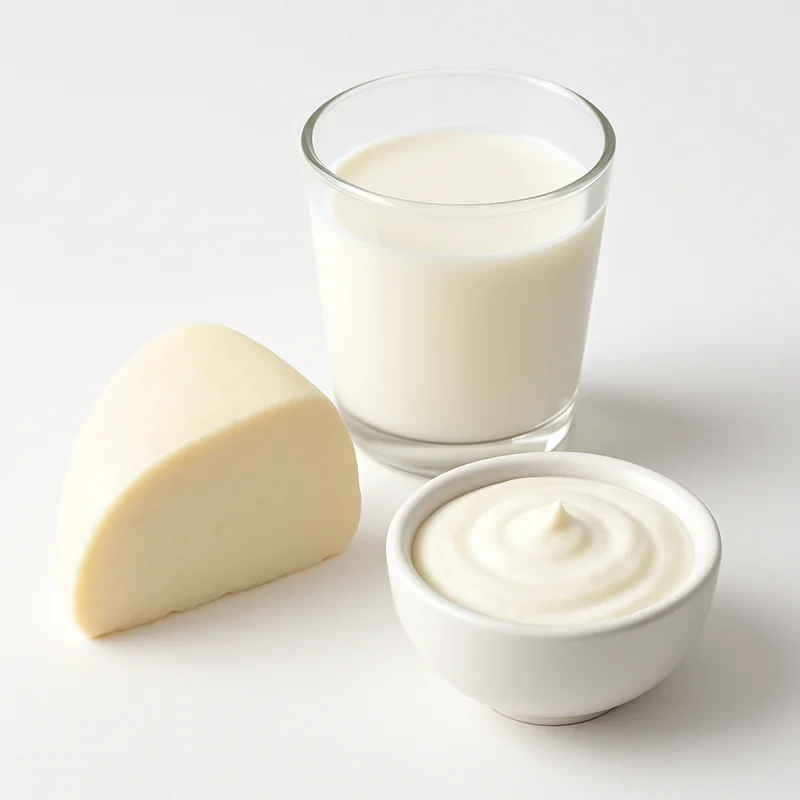
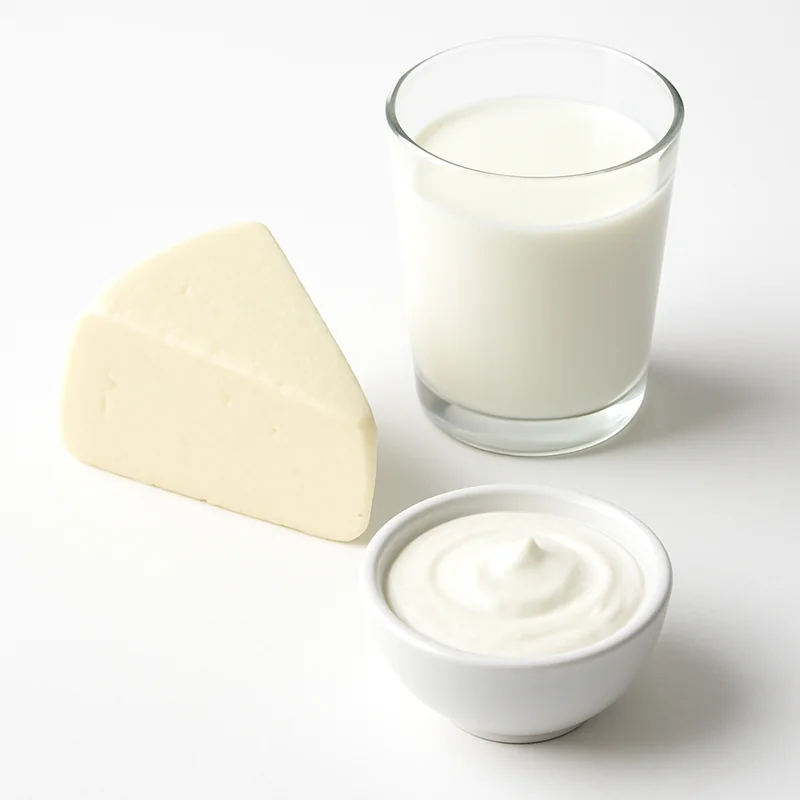
What is Sour Cream actually covering?
See which nutrients your diet already delivers and which ones your supplements still need to — food and pills measured on the same scale.
Check my nutrients2 questions · free · no account needed to start
Also on iPhone — get the free app
Evidence-based supplement guides, no spam
We send a short digest when new guides drop — nothing else. No affiliate pushes, no sponsored content, unsubscribe anytime.