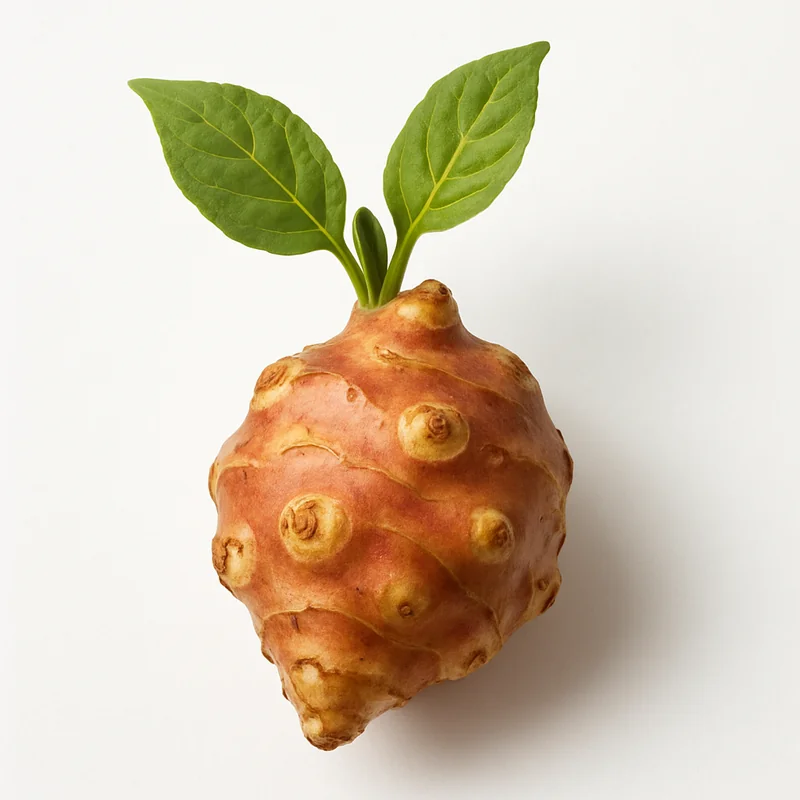
Jerusalem-Artichoke
ScoreA
Jerusalem artichoke is a starchy tuber root vegetable rich in inulin, a prebiotic fiber that supports gut health and metabolic function. Despite its name, it is unrelated to globe artichokes and originates from North America.
Why Jerusalem-Artichoke scores 82
% Daily Value per ½ cup (85 g)
Nutrition
per 100 g
Health benefits
Prebiotic fiber promotes beneficial gut microbiota and short-chain fatty acid production
strong evidenceInulin fermentation by colonic bacteria increases butyrate and propionate, strengthening the intestinal barrier, reducing lipopolysaccharide translocation, and lowering systemic inflammation linked to aging and metabolic disease
Improves insulin sensitivity and blood glucose control
moderate evidenceInulin's slow absorption and prebiotic metabolites enhance insulin receptor signaling and reduce postprandial glucose spikes, reducing diabetes and cardiovascular disease risk
Supports bone health through enhanced mineral absorption
moderate evidencePrebiotic inulin increases colonic pH and calcium/magnesium solubility, improving bioavailability of these minerals critical for bone density and fracture prevention
Enhances satiety and supports weight management
moderate evidenceHigh fiber and inulin content slows gastric emptying, increases cholecystokinin release, and promotes prolonged satiety signals, reducing total caloric intake
Reduces systemic inflammation and supports immune homeostasis
moderate evidenceSCFA-producing bacteria stimulate regulatory T cell (Treg) differentiation via histone deacetylase inhibition, promoting immune tolerance and reducing pro-inflammatory Th17 responses
Pairs well with
- ·Pair with olive oil-based dressings because fat-soluble polyphenols and vitamin E enhance antioxidant absorption and reduce lipid peroxidation
- ·Combine with allium vegetables (garlic, onions) because quercetin and sulfur compounds synergistically boost anti-inflammatory and prebiotic effects
- ·Serve alongside leafy greens (spinach, kale) because their folate and iron complement Jerusalem artichoke's iron bioavailability when vitamin C from greens is present
- ·Mix with fermented foods (sauerkraut, kimchi) because existing beneficial bacteria metabolize inulin more efficiently, amplifying SCFA production
Practical tips
- ·Best timing: midday
- ·Select firm tubers with minimal blemishes and store in cool, dark conditions (50-60°F) to preserve inulin integrity; avoid refrigeration below 40°F as this converts inulin to more fermentable sugars, potentially causing GI distress in sensitive individuals
- ·Start with 50-75g servings if new to inulin consumption, as rapid fermentation can cause bloating, gas, or cramping; gradually increase over 2-3 weeks to allow microbiota adaptation
- ·Peel skin after cooking rather than before to maximize nutrient retention; steaming for 15-20 minutes preserves inulin better than prolonged boiling
- ·Consume Jerusalem artichoke in the same meal with other prebiotic-rich foods (asparagus, bananas, whole grains) to create a synergistic environment for microbial diversity
Related foods
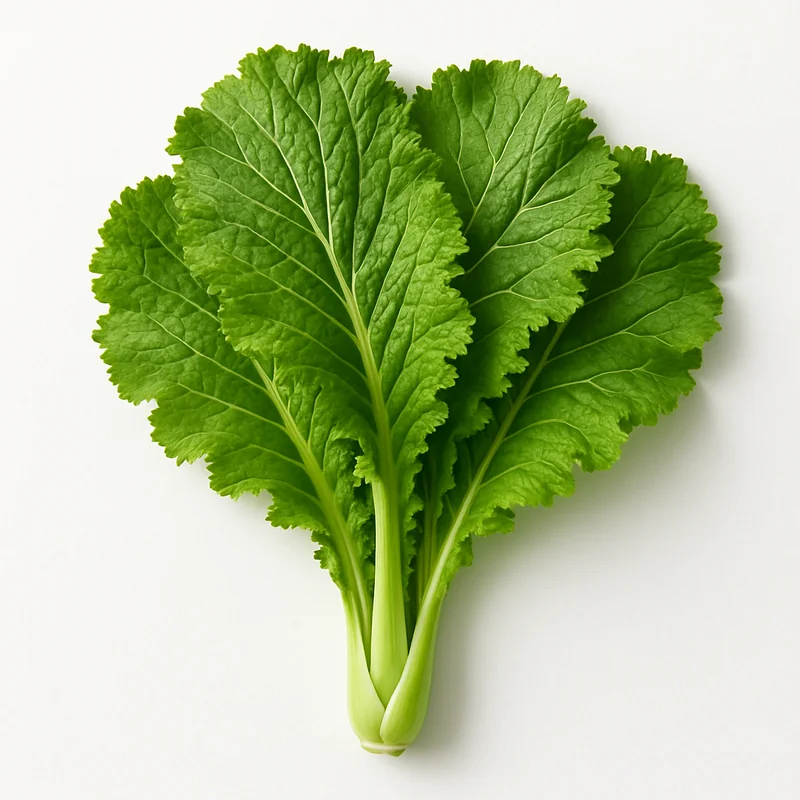
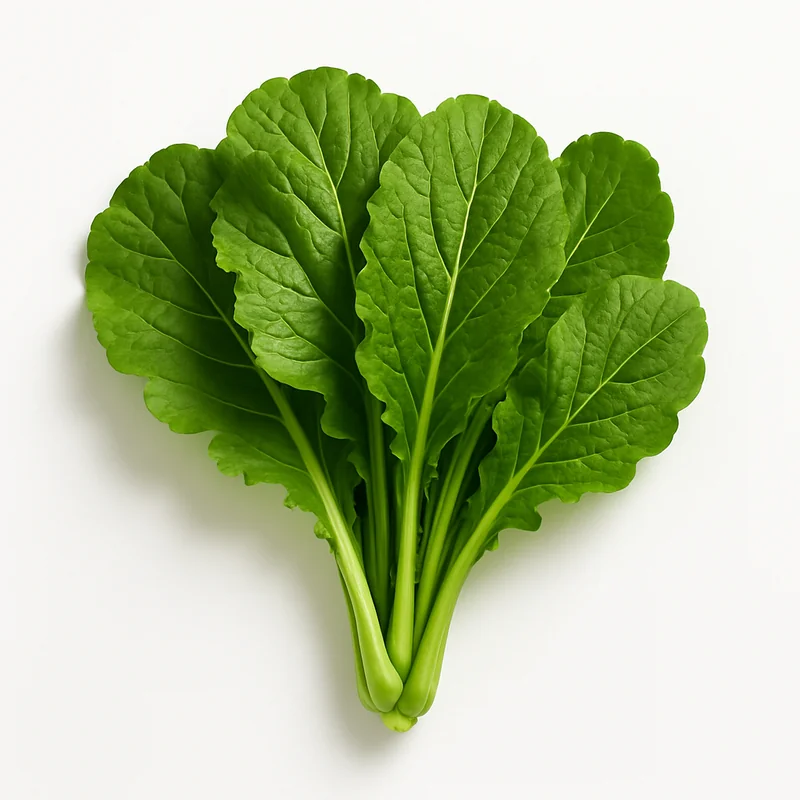
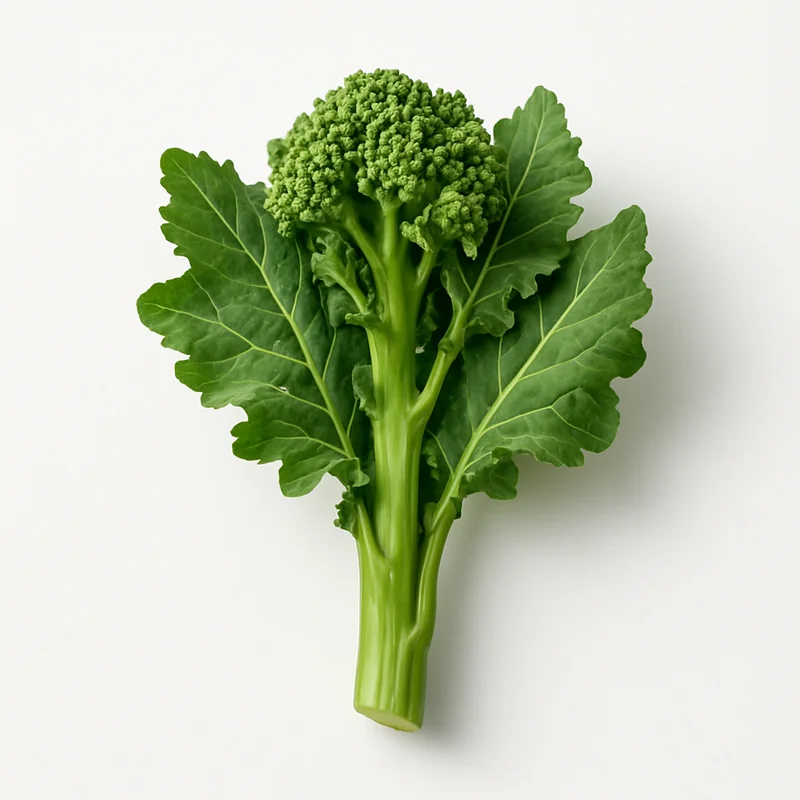
What is Jerusalem-Artichoke actually covering?
See which nutrients your diet already delivers and which ones your supplements still need to — food and pills measured on the same scale.
Check my nutrients2 questions · free · no account needed to start
Also on iPhone — get the free app
Evidence-based supplement guides, no spam
We send a short digest when new guides drop — nothing else. No affiliate pushes, no sponsored content, unsubscribe anytime.