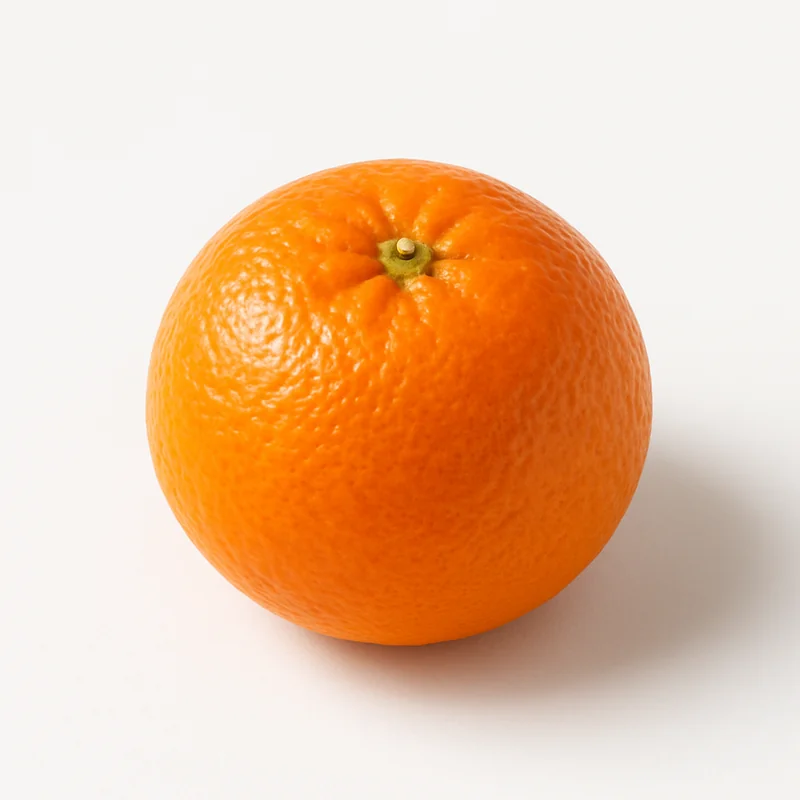
Tangerine
ScoreA
Tangerines are small, sweet citrus fruits rich in vitamin C and bioactive flavonoids, providing immune support and antioxidant benefits with minimal calories.
Why Tangerine scores 87
% Daily Value per 1 medium (140 g)
Nutrition
per 100 g
Health benefits
Enhanced immune function and reduced infection risk
strong evidenceVitamin C acts as a cofactor for immune cell function and collagen cross-linking, while hesperidin modulates inflammatory responses and supports white blood cell activity
Improved cardiovascular health and reduced atherosclerosis risk
moderate evidenceHesperidin and other flavonoids inhibit LDL oxidation, reduce arterial inflammation, and improve endothelial function; potassium supports blood pressure regulation
Enhanced iron bioavailability from plant-based sources
strong evidenceVitamin C reduces ferric iron to ferrous form, dramatically increasing non-heme iron absorption from concurrent plant-based foods
Reduced oxidative stress and cellular aging
moderate evidencePolymethoxylated flavonoids (tangeretin, nobiletin) penetrate cell membranes and scavenge free radicals, protecting mitochondrial DNA and reducing AGE formation
Support for cognitive function and neuroprotection
emerging evidenceHesperidin crosses the blood-brain barrier and reduces neuroinflammation; folate supports neurotransmitter synthesis and methylation
Pairs well with
- ·Pair with spinach or kale because vitamin C enhances non-heme iron absorption from leafy greens by up to 3-4 fold
- ·Pair with almonds or walnuts because the vitamin C and polyphenols enhance absorption of phenolic compounds from nuts while providing complementary mineral profiles
- ·Pair with fatty fish (salmon, mackerel) because fat-soluble vitamin A in tangerines is better absorbed with dietary fat, and omega-3s work synergistically with flavonoids for cardiovascular benefits
- ·Pair with whole grains because the fiber in both foods slows glucose absorption and the vitamin C aids mineral bioavailability from grain phytates
Practical tips
- ·Best timing: midday
- ·Choose tangerines that feel heavy for their size with unblemished skin; store at room temperature for 3-5 days or refrigerate for 2-3 weeks to preserve vitamin C content
- ·Consume the white pith under the peel rather than removing it entirely, as it contains concentrated hesperidin and fiber
- ·Eat whole fruit rather than drinking juice to retain fiber, maintain satiety, and avoid rapid glucose spikes that can occur with extracted juice
- ·Select mandarins and tangerines (Citrus reticulata) over navel oranges when possible, as they contain higher concentrations of polymethoxylated flavonoids per unit weight
Related foods



What is Tangerine actually covering?
See which nutrients your diet already delivers and which ones your supplements still need to — food and pills measured on the same scale.
Check my nutrients2 questions · free · no account needed to start
Also on iPhone — get the free app
Evidence-based supplement guides, no spam
We send a short digest when new guides drop — nothing else. No affiliate pushes, no sponsored content, unsubscribe anytime.