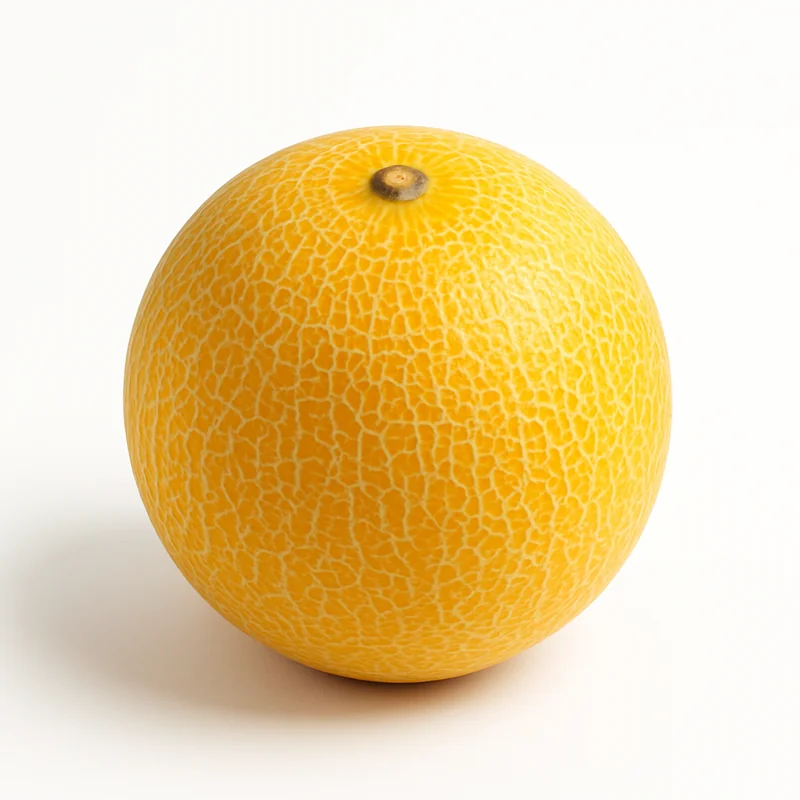
Melon
ScoreA
Melon is a low-calorie, water-rich fruit (92% water) providing excellent hydration, vitamin A, potassium, and bioactive compounds that support cardiovascular and metabolic health.
Why Melon scores 87
% Daily Value per 1 medium (140 g)
Nutrition
per 100 g
Health benefits
Improved cardiovascular function and blood pressure regulation
moderate evidenceHigh potassium content supports sodium-potassium balance and vascular function; citrulline enhances nitric oxide production, promoting vasodilation and endothelial health
Enhanced hydration and electrolyte balance
strong evidence92% water content combined with potassium, magnesium, and sodium creates optimal osmotic conditions for cellular hydration and fluid retention
Reduced oxidative stress and inflammation
moderate evidenceBeta-carotene and vitamin C act as antioxidants, neutralizing free radicals and supporting immune function; carotenoids accumulate in tissues for sustained protection
Support for vision health and eye protection
moderate evidenceHigh vitamin A (beta-carotene) content protects retinal cells and supports macular health; accumulates in ocular tissues as lutein equivalent
Improved vascular endothelial function
moderate evidenceCitrulline converts to arginine via the intestinal-renal axis, increasing systemic nitric oxide levels and improving arterial flexibility and blood flow
Pairs well with
- ·Pair with lime or lemon juice because citric acid enhances beta-carotene bioavailability and adds antimicrobial compounds
- ·Combine with cottage cheese or Greek yogurt because protein slows gastric emptying and stabilizes blood sugar response, preventing energy crashes
- ·Eat with black pepper or turmeric because piperine and curcumin enhance carotenoid absorption by 2-3 fold through increased intestinal permeability
- ·Pair with prosciutto or cured meats because the umami compounds enhance flavor perception while salt in meats amplifies the natural electrolyte profile
Practical tips
- ·Best timing: midday
- ·Select melons with a creamy yellow or tan underside and aromatic fragrance at the stem end; these indicate peak ripeness and maximum carotenoid concentration
- ·Store whole melons at room temperature to preserve carotenoid density; refrigerate only after cutting to prevent nutrient degradation from cold exposure
- ·Consume melon with skin-on portions when possible (near the rind) as carotenoid concentration increases toward outer layers
- ·Eat melons as a standalone snack or between meals rather than at the end of large meals to optimize hydration benefits and reduce digestive competition
Related foods
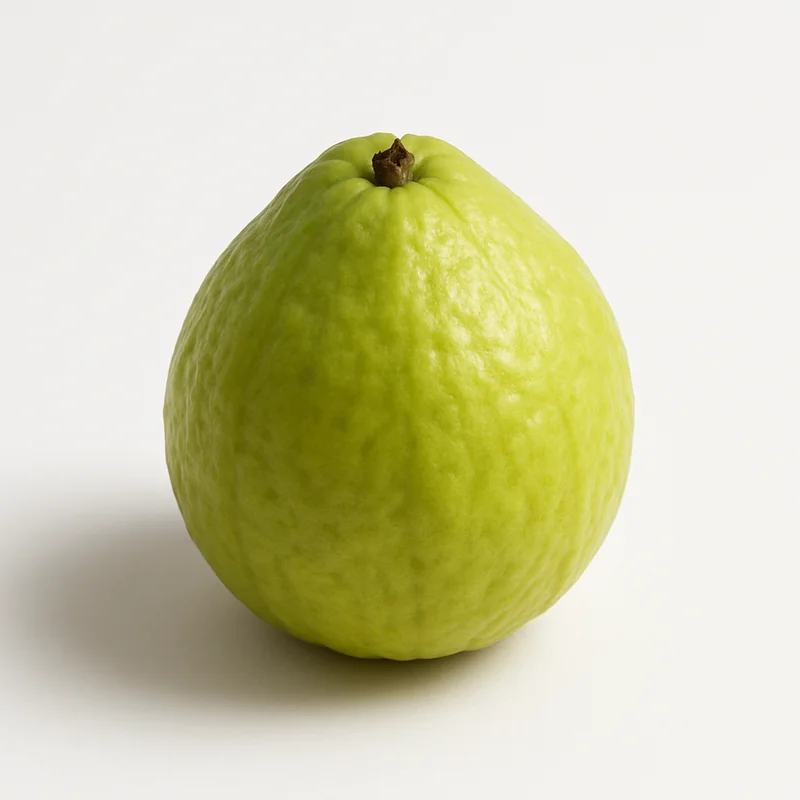
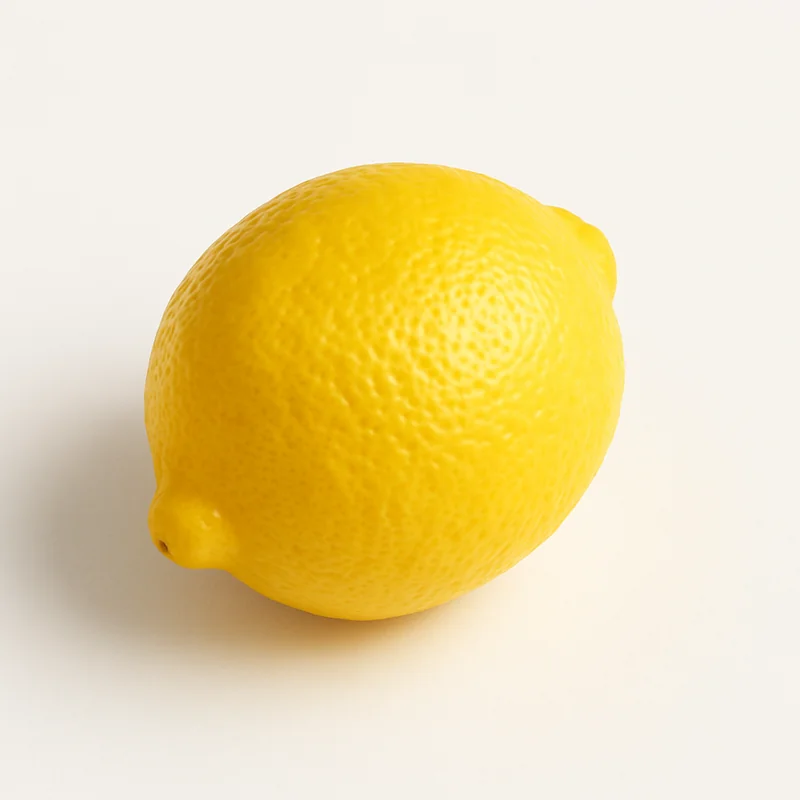
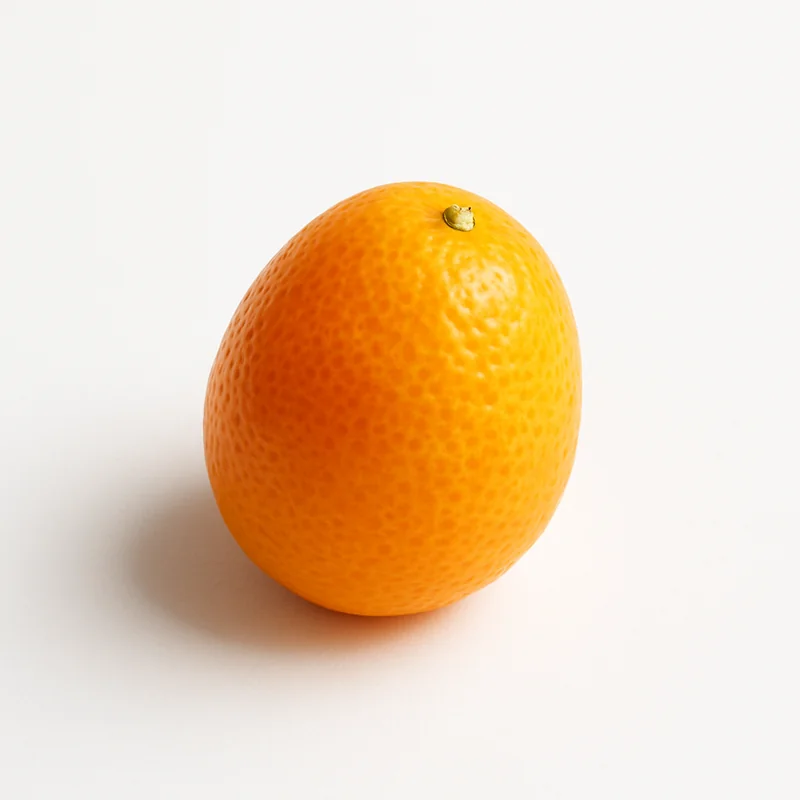
What is Melon actually covering?
See which nutrients your diet already delivers and which ones your supplements still need to — food and pills measured on the same scale.
Check my nutrients2 questions · free · no account needed to start
Also on iPhone — get the free app
Evidence-based supplement guides, no spam
We send a short digest when new guides drop — nothing else. No affiliate pushes, no sponsored content, unsubscribe anytime.