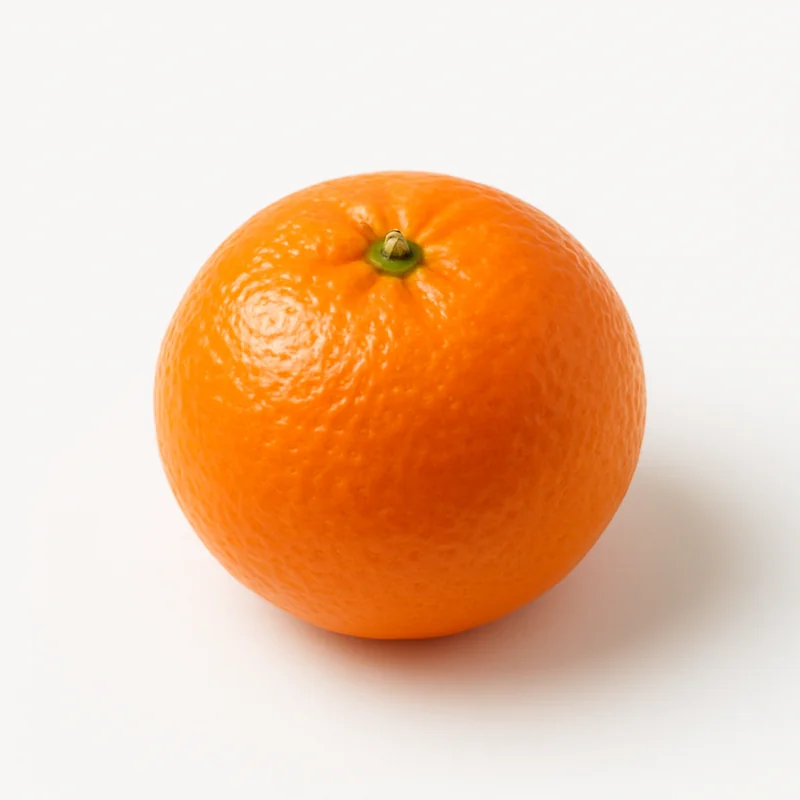
Clementine
ScoreA
Clementines are small, seedless citrus fruits rich in vitamin C and potassium, offering concentrated antioxidant and anti-inflammatory benefits in a low-calorie package ideal for longevity-focused nutrition.
Why Clementine scores 87
% Daily Value per 1 medium (140 g)
Nutrition
per 100 g
Health benefits
Enhanced immune function and reduced infection risk
strong evidenceVitamin C (48.8 mg/100g) acts as a cofactor for immune cell synthesis and function, while supporting neutrophil activity and interferon production essential for pathogen defense
Cardiovascular protection and blood pressure regulation
strong evidencePotassium (177 mg/100g) counteracts sodium-induced vasoconstriction and supports vascular endothelial function; flavonoid compounds improve arterial elasticity and reduce atherosclerotic plaque formation
Reduced inflammation and oxidative stress
moderate evidenceLimonoids and hesperidin (a citrus flavonoid) inhibit NF-κB signaling pathways and reduce pro-inflammatory cytokine production, protecting against age-related tissue degeneration
Improved collagen integrity and skin health
strong evidenceVitamin C is essential for hydroxylation of proline and lysine residues in collagen synthesis, maintaining skin elasticity and wound healing capacity with age
Stable blood glucose and metabolic efficiency
moderate evidenceHigh fiber content (1.7g/100g) and low glycemic index slow glucose absorption, reducing insulin spikes and supporting long-term metabolic health and mitochondrial function
Pairs well with
- ·Pair with almonds or walnuts because the polyphenols in clementines enhance the bioavailability of vitamin E in nuts, creating synergistic antioxidant protection
- ·Combine with dark leafy greens (spinach, kale) because vitamin C dramatically increases non-heme iron absorption from plant sources, improving bioavailable iron intake for vegetarians
- ·Eat with olive oil-based foods because fat-soluble compounds in clementine skin (limonoids) are better absorbed in the presence of dietary lipids
- ·Pair with fermented foods (yogurt, kefir, sauerkraut) because vitamin C and fiber support beneficial gut bacterial growth and short-chain fatty acid production
Practical tips
- ·Best timing: midday
- ·Store clementines at room temperature for 1-2 weeks or refrigerate for up to 3 weeks; refrigeration slows ethylene production and maintains vitamin C content longer than ambient storage
- ·Consume the white pith beneath the peel when possible—it contains higher concentrations of hesperidin and dietary fiber than the flesh alone
- ·Select clementines that feel heavy for their size, indicating higher juice content and nutrient density; avoid soft spots or mold
- ·Eat whole fruits rather than juice to retain 1.7g of fiber per 100g, which is lost in juice processing and critical for glycemic control and gut health
- ·Peel clementines 5-10 minutes before consumption to minimize oxidative degradation of vitamin C, which accelerates after exposure to air
Related foods
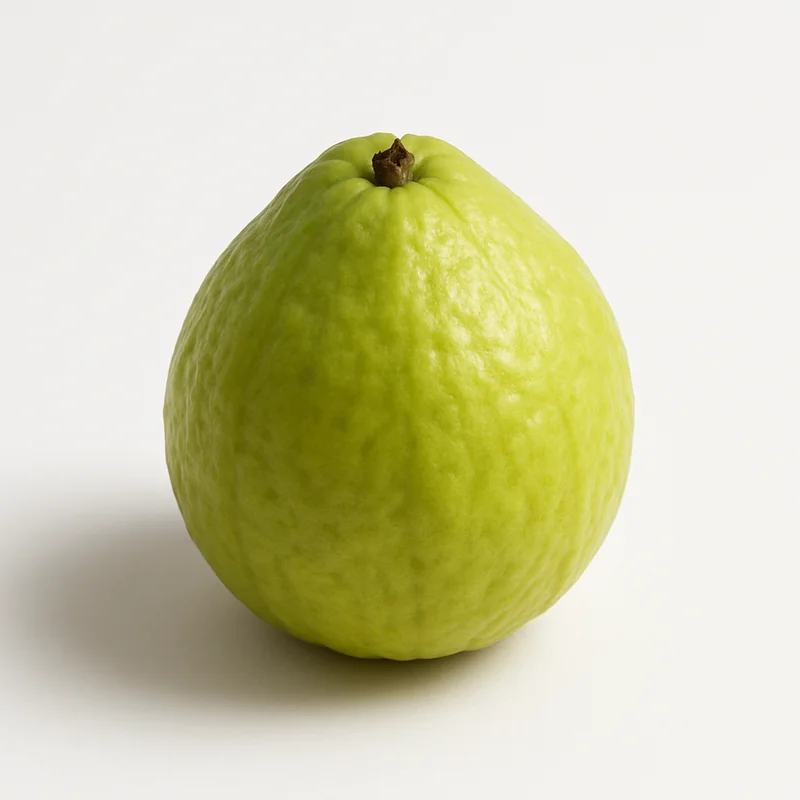

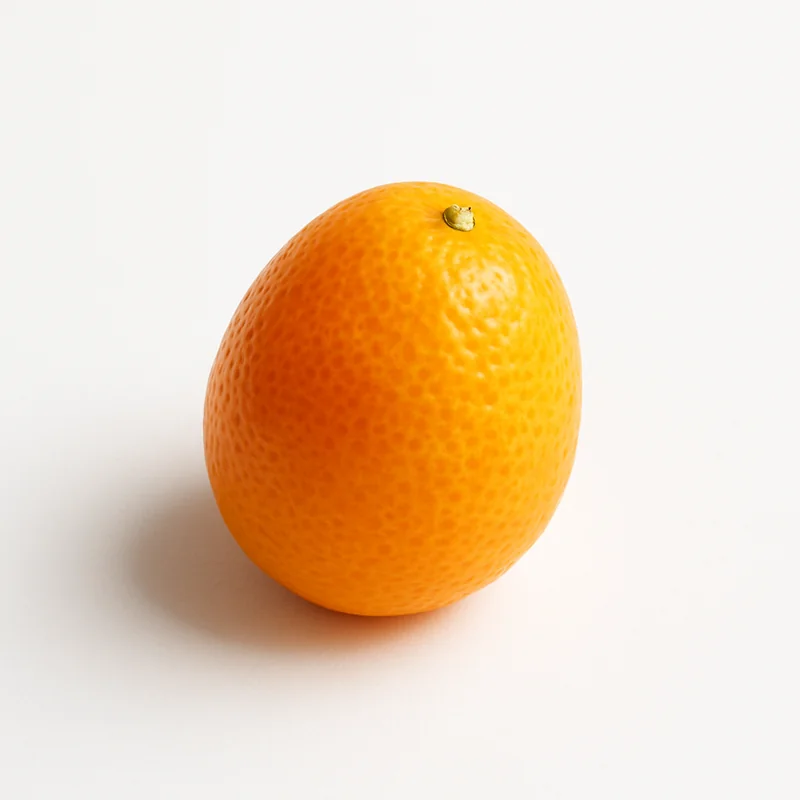
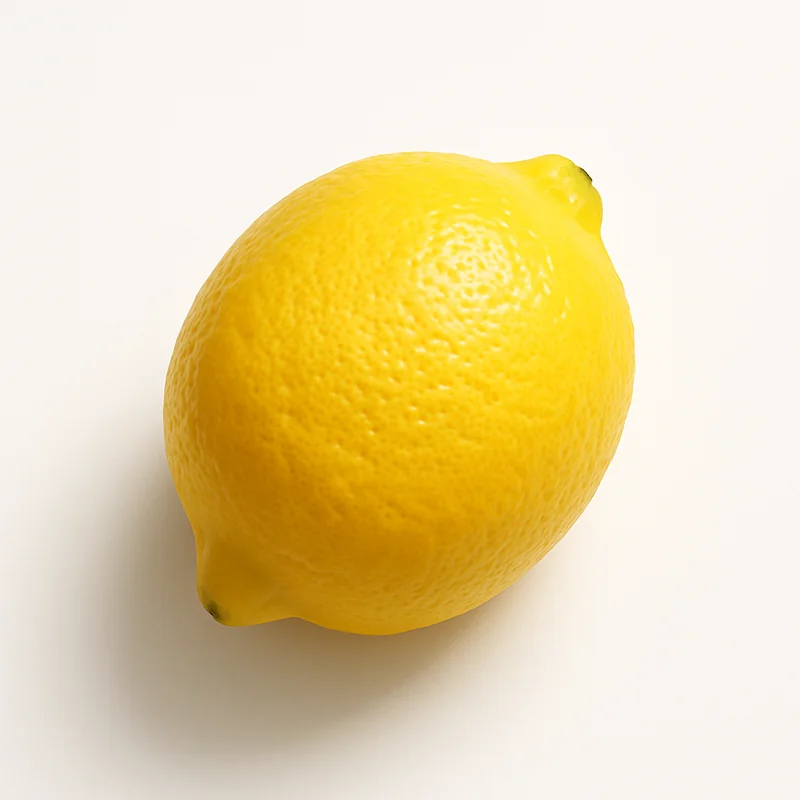
What is Clementine actually covering?
See which nutrients your diet already delivers and which ones your supplements still need to — food and pills measured on the same scale.
Check my nutrients2 questions · free · no account needed to start
Also on iPhone — get the free app
Evidence-based supplement guides, no spam
We send a short digest when new guides drop — nothing else. No affiliate pushes, no sponsored content, unsubscribe anytime.