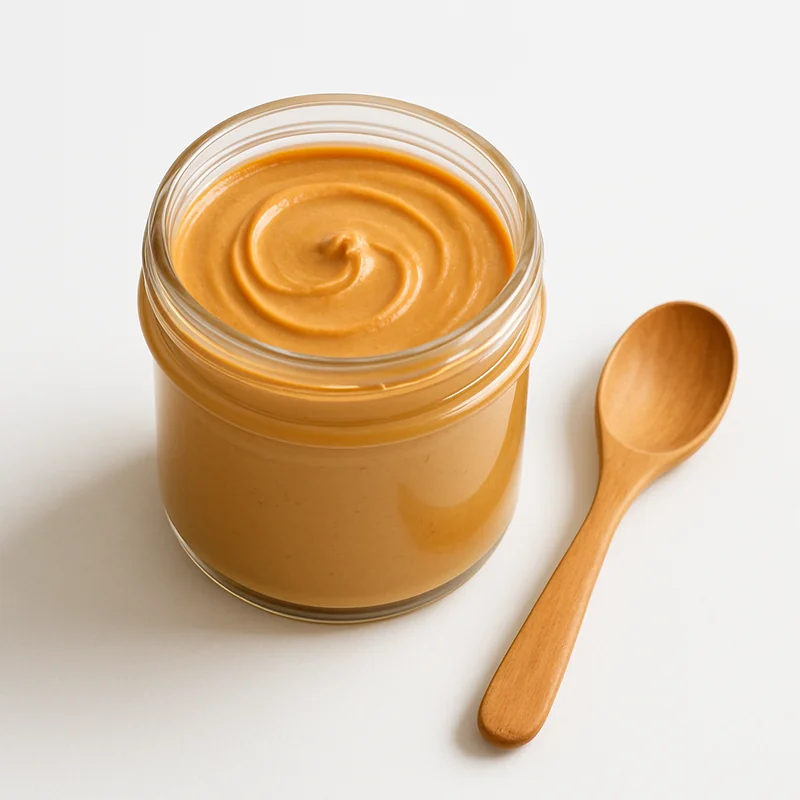
Peanut Butter
ScoreA
Peanut butter is a nutrient-dense legume paste rich in plant-based protein, healthy unsaturated fats, and fiber, supporting cardiovascular health and sustained energy.
Why Peanut Butter scores 78
% Daily Value per a handful (32 g)
Nutrition
per 100 g
Health benefits
Cardiovascular disease risk reduction
strong evidenceHigh monounsaturated fat content and polyphenols (particularly resveratrol) reduce LDL oxidation and improve endothelial function, while potassium supports healthy blood pressure
Improved insulin sensitivity and blood glucose control
strong evidenceHigh protein and fiber content slow gastric emptying and reduce glucose spikes; magnesium enhances insulin signaling
Enhanced satiety and healthy weight management
moderate evidenceProtein and fat combination activates satiety hormones (cholecystokinin, GLP-1) and increases thermogenic effect of food
Cognitive and neurological support
moderate evidenceCholine is a precursor to acetylcholine (neurotransmitter); vitamin E and polyphenols provide antioxidant protection for neural tissue
Muscle protein synthesis and recovery
strong evidence24g protein per 100g provides essential amino acids including leucine, which activates mTOR pathway for muscle anabolism
Pairs well with
- ·Pair with apple slices because polyphenols in apples synergize with peanut polyphenols, enhancing antioxidant bioavailability and creating a balanced macronutrient snack
- ·Pair with berries (blueberries/raspberries) because anthocyanins enhance absorption of fat-soluble compounds and provide complementary micronutrients for cardiovascular health
- ·Pair with whole grain bread or oats because complex carbohydrates moderate blood glucose impact and provide B vitamins that work synergistically with niacin
- ·Pair with dark chocolate (70%+ cacao) because polyphenol content amplifies, creating additive cardioprotective and anti-inflammatory effects
Practical tips
- ·Best timing: pre-workout
- ·Choose natural peanut butter with only peanuts and salt listed; avoid added sugars and hydrogenated oils that increase cardiovascular risk and oxidative stress
- ·Store opened jars in the refrigerator to prevent oxidation of polyunsaturated fats, which reduces lipid peroxide formation and preserves bioactive compounds
- ·Measure portions to 2 tablespoons (32g) per serving to manage caloric intake while obtaining therapeutic nutrient doses without excess energy
- ·Stir natural peanut butter thoroughly before use to redistribute separated oils, ensuring even distribution of fat-soluble vitamins and polyphenols
- ·Consider freshly ground peanut butter from bulk bins when available, as it has minimal processing and higher bioavailable micronutrient content compared to shelf-stable varieties
Related foods
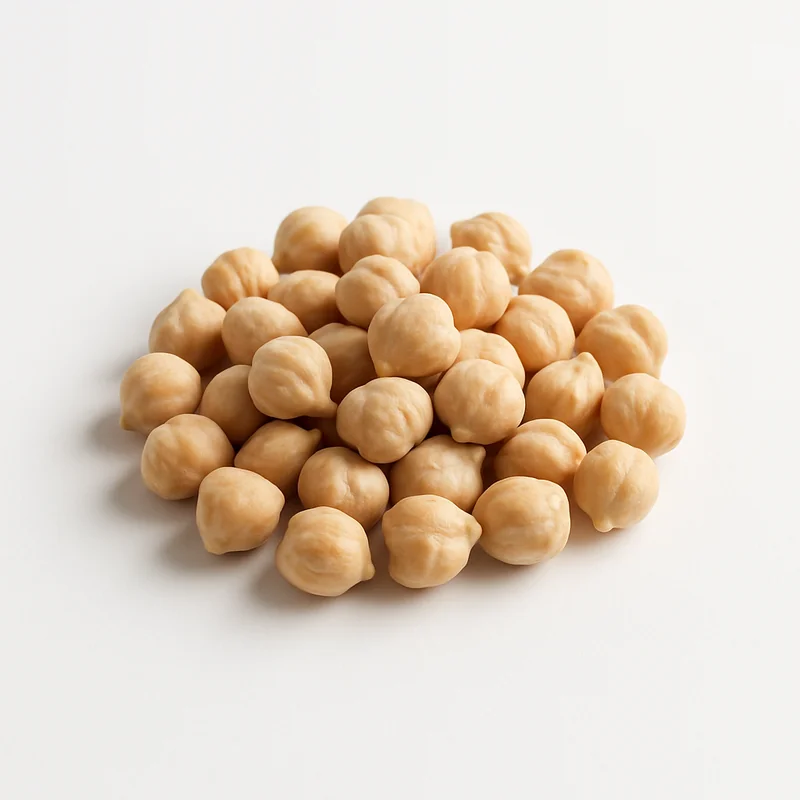
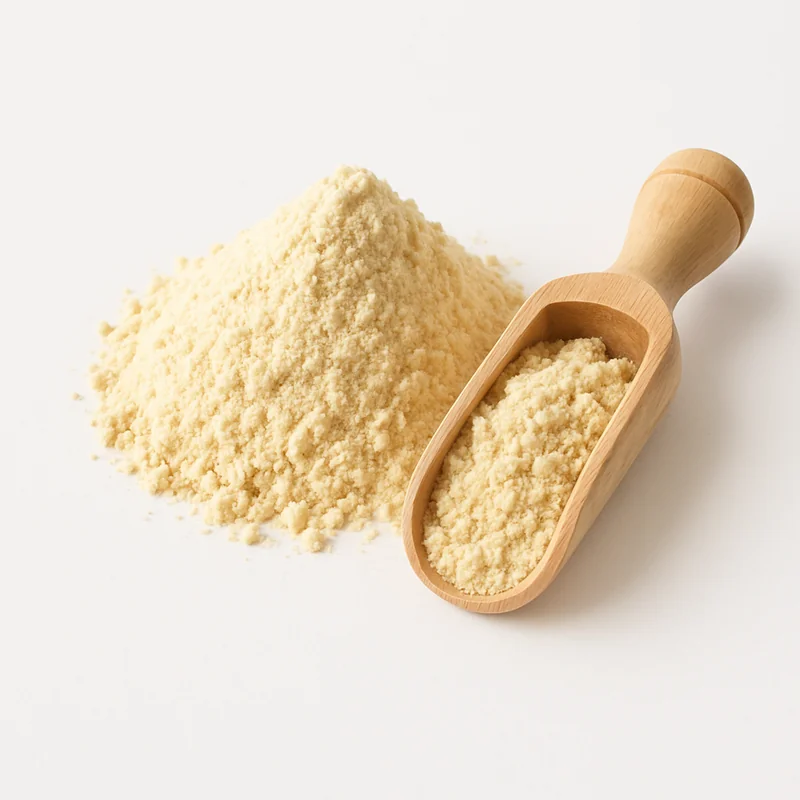
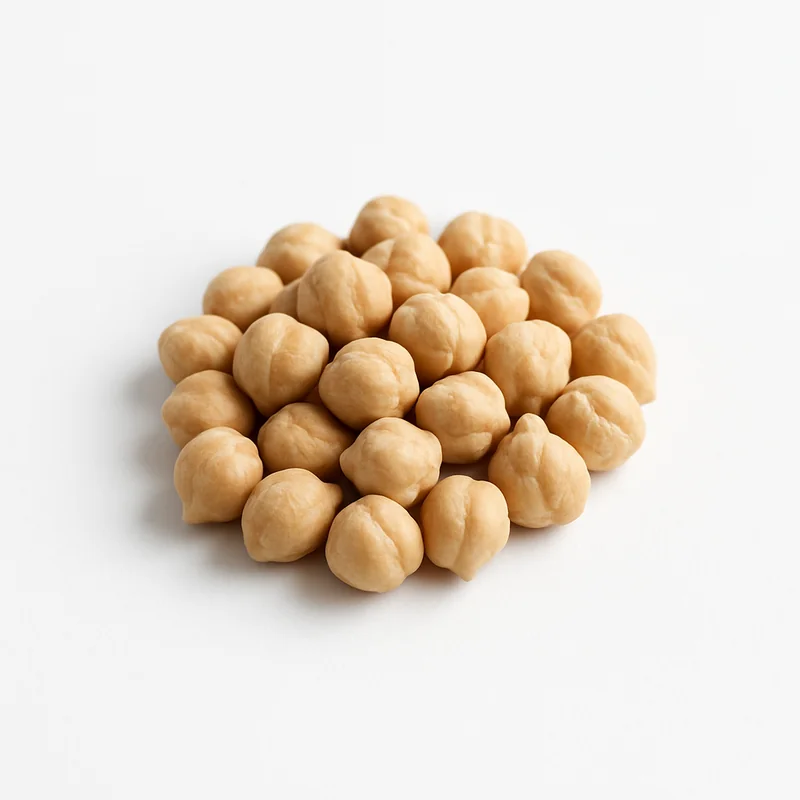
What is Peanut Butter actually covering?
See which nutrients your diet already delivers and which ones your supplements still need to — food and pills measured on the same scale.
Check my nutrients2 questions · free · no account needed to start
Also on iPhone — get the free app
Evidence-based supplement guides, no spam
We send a short digest when new guides drop — nothing else. No affiliate pushes, no sponsored content, unsubscribe anytime.