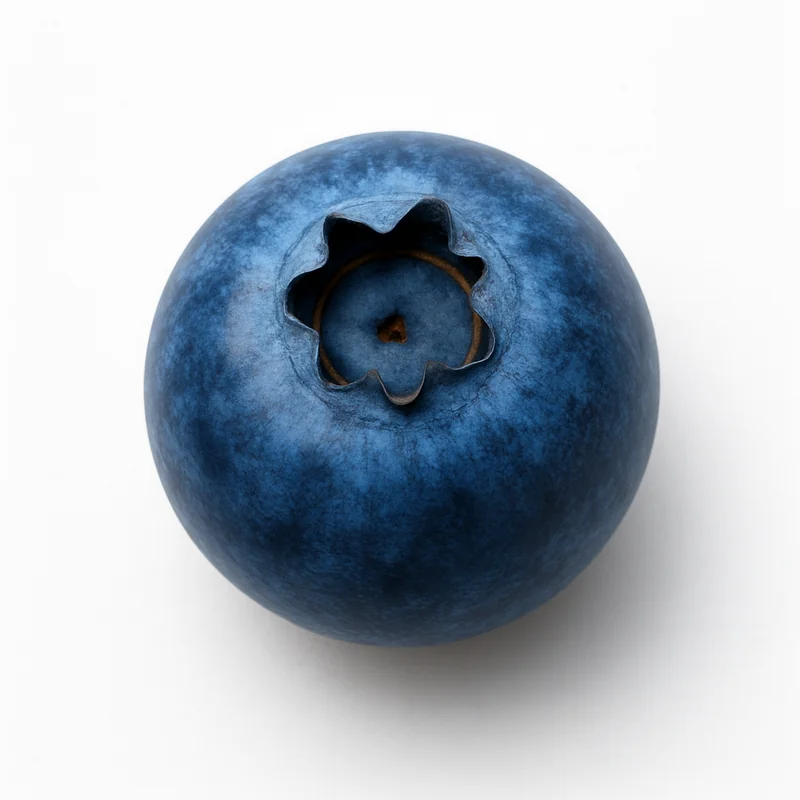
Wild Blueberries
ScoreA
Wild blueberries are nutrient-dense berries exceptionally high in anthocyanins, powerful antioxidants linked to cognitive and cardiovascular health. With only 57 calories per 100g, they deliver substantial micronutrients and fiber for longevity support.
Why Wild Blueberries scores 86
% Daily Value per 1 medium (140 g)
Nutrition
per 100 g
Health benefits
Cognitive decline prevention and enhanced memory
strong evidenceAnthocyanins cross the blood-brain barrier and reduce neuroinflammation, improve synaptic signaling, and enhance cerebral blood flow, slowing age-related cognitive loss
Improved cardiovascular function and endothelial health
strong evidenceAnthocyanins increase nitric oxide production in blood vessels, improve arterial flexibility, and reduce LDL oxidation and blood pressure
Enhanced insulin sensitivity and glucose homeostasis
moderate evidencePolyphenols improve glucose uptake in muscle cells, reduce hepatic glucose production, and modulate GLP-1 secretion without spiking blood sugar
Reduced systemic inflammation and oxidative stress
strong evidenceHigh anthocyanin and proanthocyanidin content neutralize free radicals and suppress pro-inflammatory cytokine production across tissues
Supported bone health and reduced fracture risk
moderate evidenceVitamin K activates osteocalcin for bone mineralization; anthocyanins inhibit bone-resorbing osteoclasts
Pairs well with
- ·Pair with Greek yogurt because the fat and protein slow carbohydrate absorption and extend anthocyanin absorption window; fermented dairy also supports anthocyanin-responsive gut microbiota
- ·Pair with almonds or walnuts because their vitamin E and polyphenols synergize with anthocyanins for enhanced antioxidant effects and improved neurological outcomes
- ·Pair with leafy greens (spinach, kale) because wild blueberries' vitamin C enhances iron bioavailability from plant-based sources, and their polyphenols reduce phytic acid interference
- ·Pair with green tea because both are high in polyphenols; EGCG from tea enhances anthocyanin absorption and extends their circulating half-life in plasma
- ·Pair with fatty fish (salmon, mackerel) because omega-3s enhance anthocyanin-mediated vascular effects and reduce inflammation synergistically
Practical tips
- ·Best timing: Wild blueberries can be consumed throughout the day due to their low glycemic impact and lack of stimulating compounds. Morning consumption supports cognition; post-workout consumption aids inflammation recovery. Their polyphenols are absorbed across multiple time windows, so consistency matters more than timing.
- ·Prioritize frozen wild blueberries over fresh; freezing ruptures cell walls, improving anthocyanin bioavailability by 10-15% compared to fresh berries, and they retain antioxidant capacity for 6-12 months
- ·Consume with skin intact (never peel); 80% of anthocyanins concentrate in the skin; frozen berries naturally retain skin compounds better than fresh during storage
- ·Portion to 80-100g daily (roughly ¾ cup); this delivers optimal anthocyanin intake (440-560mg) without excessive fructose, equaling 40-50 kcal
- ·Store frozen berries at -18°C or below in airtight containers; thaw slowly in refrigerator to minimize anthocyanin oxidation; avoid thawing at room temperature
- ·Consume within 30 minutes of a meal containing healthy fats or protein to maximize anthocyanin absorption; their lipophilic nature requires dietary fat for optimal bioavailability
Related foods
What is Wild Blueberries actually covering?
See which nutrients your diet already delivers and which ones your supplements still need to — food and pills measured on the same scale.
Check my nutrients2 questions · free · no account needed to start
Also on iPhone — get the free app
Evidence-based supplement guides, no spam
We send a short digest when new guides drop — nothing else. No affiliate pushes, no sponsored content, unsubscribe anytime.