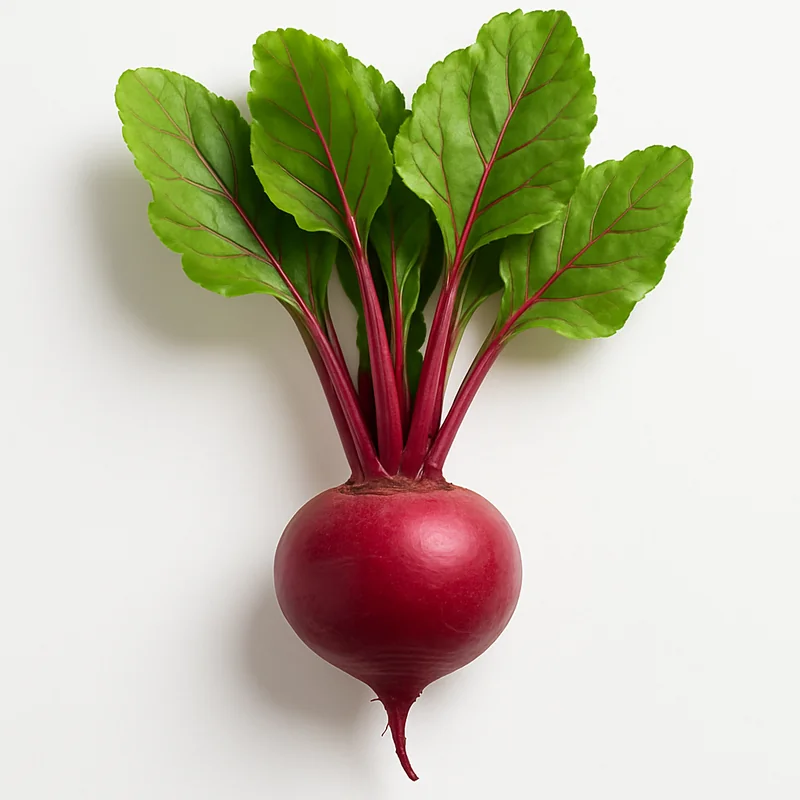
Beet
ScoreA
Beets are nutrient-dense root vegetables rich in nitrates, potassium, and betalains—pigments with antioxidant and anti-inflammatory properties. They provide sustained energy with minimal calories while supporting cardiovascular and metabolic health.
Why Beet scores 89
% Daily Value per ½ cup (85 g)
Nutrition
per 100 g
Health benefits
Improved blood pressure and vascular function through nitric oxide enhancement
strong evidenceDietary nitrates in beets are converted by oral bacteria and vascular endothelium to nitric oxide, a signaling molecule that promotes vasodilation and improves blood flow, reducing systolic and diastolic blood pressure
Enhanced exercise performance and oxygen utilization
strong evidenceNitrate-derived nitric oxide improves mitochondrial efficiency and oxygen delivery to muscles, reducing the oxygen cost of exercise and enhancing work capacity at given intensities
Reduced systemic inflammation and oxidative stress
moderate evidenceBetalains and other polyphenols in beets function as antioxidants, neutralizing free radicals and suppressing pro-inflammatory signaling pathways linked to aging and chronic disease
Cognitive function and cerebral blood flow support
moderate evidenceDietary nitrates enhance cerebral perfusion and may improve cognitive performance, particularly in aging populations, by optimizing blood flow to brain regions critical for memory and executive function
Liver detoxification support through betaine and folate
moderate evidenceBetaine and folate are methyl donors essential for the methylation reactions that facilitate Phase II detoxification and homocysteine metabolism, supporting hepatic detoxification capacity
Pairs well with
- ·Pair with black pepper or piperine-rich foods because piperine increases absorption of betalains and enhances bioavailability of antioxidant compounds
- ·Combine with vitamin C sources (citrus, leafy greens) because ascorbic acid enhances iron absorption from beets and stabilizes heat-sensitive betalain pigments
- ·Mix with healthy fats (olive oil, avocado, nuts) because fat-soluble absorption of carotenoids and fat-soluble antioxidants is optimized in the presence of dietary lipids
- ·Pair with probiotic-rich foods (fermented vegetables, kefir) because oral bacteria influence nitrate metabolism; diverse microbiota enhances conversion of dietary nitrates to bioavailable nitric oxide
- ·Combine with leafy greens (spinach, arugula) because both provide synergistic nitrates and complementary micronutrient profiles (folate, magnesium, manganese) for enhanced vascular and cognitive benefits
Practical tips
- ·Best timing: pre-workout
- ·Consume beet juice or roasted beets 2-3 hours before exercise to maximize nitrate-dependent performance enhancement; nitric oxide production peaks 2-3 hours post-consumption
- ·Store whole beets with greens removed in a cool, dark place (32-40°F) to prevent moisture loss; beets remain viable for 3-4 weeks when stored properly in high humidity
- ·Roast beets at 400°F until fork-tender (45-60 minutes) to concentrate natural sugars and betalain compounds while minimizing nutrient loss compared to boiling
- ·Include beet greens in your preparation—they contain 6-8x more oxalates than roots but are nutritionally rich in lutein, calcium, and magnesium; blanch briefly to reduce oxalate content if concerned
- ·Consume raw beet juice fresh or within 24 hours of preparation to preserve heat-sensitive betalains and enzymatic activity; nitrate content remains stable during storage
Related foods
What is Beet actually covering?
See which nutrients your diet already delivers and which ones your supplements still need to — food and pills measured on the same scale.
Check my nutrients2 questions · free · no account needed to start
Also on iPhone — get the free app
Evidence-based supplement guides, no spam
We send a short digest when new guides drop — nothing else. No affiliate pushes, no sponsored content, unsubscribe anytime.