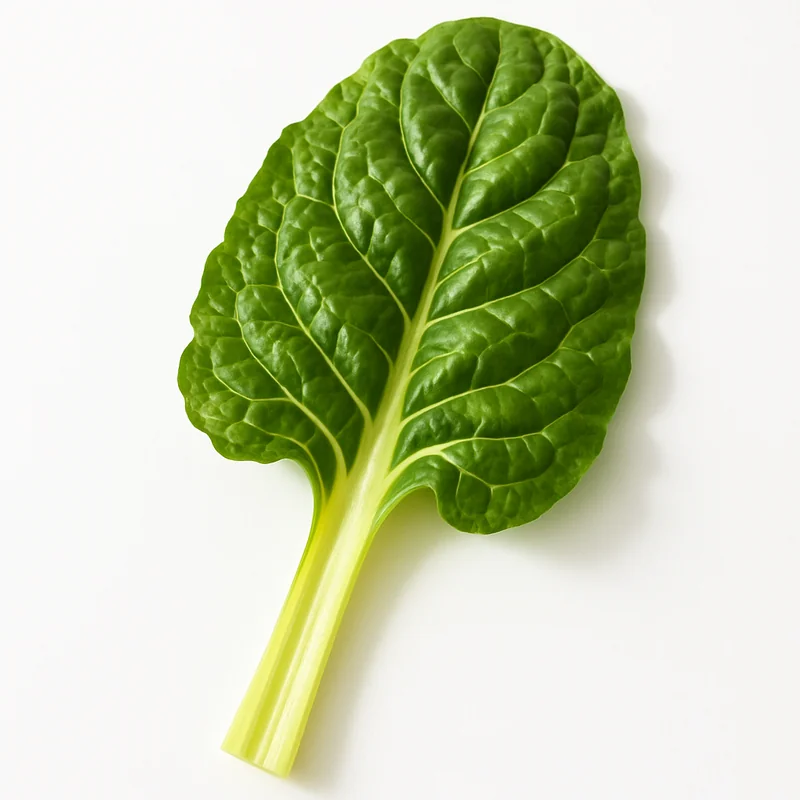
Chard
ScoreA+
Chard is a leafy green vegetable exceptionally rich in vitamin K and potassium, delivering powerful micronutrient density with minimal calories—making it a longevity staple.
Why Chard scores 90
% Daily Value per ½ cup (85 g)
Nutrition
per 100 g
Health benefits
Supports bone density and reduces fracture risk
strong evidenceExceptionally high vitamin K content (830 mcg/100g) activates osteocalcin, a bone matrix protein essential for calcium deposition and mineralization
Regulates blood pressure and supports cardiovascular health
strong evidenceHigh potassium (379 mg) counteracts sodium effects on blood pressure; magnesium relaxes vascular smooth muscle, improving endothelial function
Enhances detoxification and reduces oxidative stress
moderate evidenceContains lutein, zeaxanthin, and beta-carotene (vitamin A precursor) that support Phase II liver detoxification and antioxidant defense systems
Supports cerebral blood flow and cognitive function
moderate evidenceHigh vitamin K and magnesium promote vascular health; lutein concentrates in brain tissue and supports neuroinflammation reduction
Stabilizes blood glucose and improves insulin sensitivity
moderate evidenceHigh fiber (1.6g), minimal net carbs, and magnesium improve glucose homeostasis and reduce insulin resistance risk
Pairs well with
- ·Pair with olive oil: fat-soluble vitamins K and A require dietary lipids for optimal absorption; polyphenols in olive oil enhance bioavailability
- ·Combine with calcium-rich foods (yogurt, aged cheese, almonds): synergistic for bone health; vitamin K activates osteocalcin while calcium provides mineral substrate
- ·Mix with garlic or onions: organosulfur compounds (allicin, quercetin) work synergistically with chard's antioxidants to enhance anti-inflammatory benefits
- ·Pair with citrus or tomatoes: vitamin C enhances non-heme iron absorption from chard's plant-based iron stores; acid also reduces oxalate bioavailability concerns
Practical tips
- ·Best timing: Chard contains no stimulants or sleep-disrupting compounds. Consuming with lunch or dinner ensures adequate dietary fat for fat-soluble vitamin absorption; no pre/post-workout specificity required.
- ·Light cook or steam chard (2-3 minutes) rather than eat raw: cooking reduces oxalate content by 30-50% while preserving vitamin K and increasing beta-carotene bioavailability
- ·Store in refrigerator crisper drawer wrapped in damp paper towel for up to 5 days; separate stems from leaves—stems keep 2-3 days longer due to lower surface area
- ·Choose red/ruby chard over green for higher betalain and polyphenol content; both varieties offer equivalent vitamin K and micronutrient profiles
- ·Consume 1-1.5 cups cooked chard 3-4 times weekly for consistent vitamin K intake without interfering with warfarin or other vitamin K-dependent medications (if applicable, consult provider)
- ·Sauté whole with stems intact (stems contain additional magnesium and fiber); chop after cooking to minimize nutrient oxidation from cut surfaces
Related foods
What is Chard actually covering?
See which nutrients your diet already delivers and which ones your supplements still need to — food and pills measured on the same scale.
Check my nutrients2 questions · free · no account needed to start
Also on iPhone — get the free app
Evidence-based supplement guides, no spam
We send a short digest when new guides drop — nothing else. No affiliate pushes, no sponsored content, unsubscribe anytime.