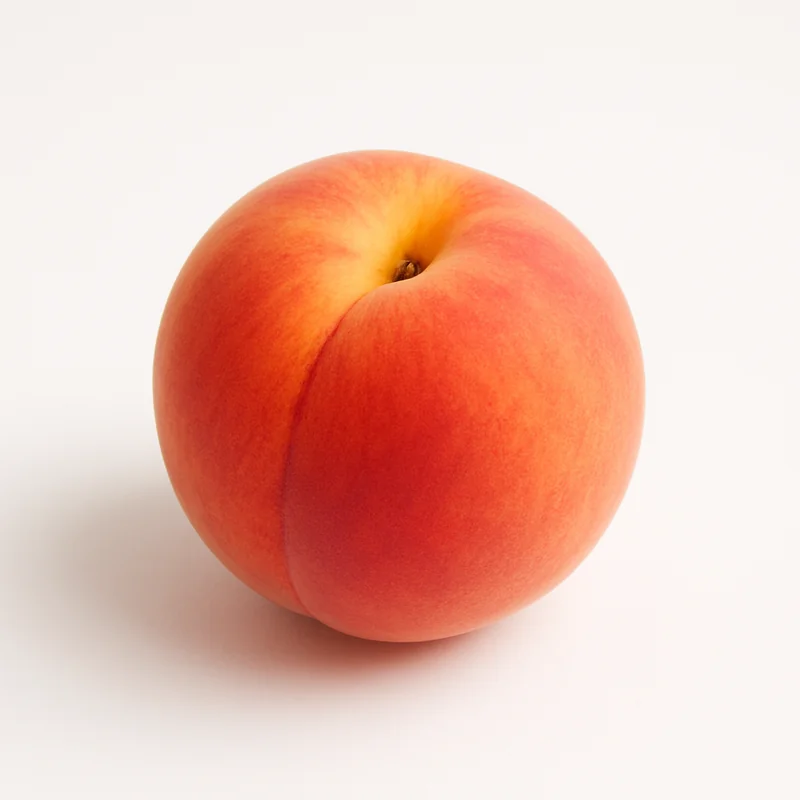
Peach
ScoreA
Peaches are low-calorie stone fruits rich in vitamin A, vitamin C, and polyphenols, offering antioxidant and anti-inflammatory benefits with minimal metabolic load.
Why Peach scores 86
% Daily Value per 1 medium (140 g)
Nutrition
per 100 g
Health benefits
Supports cardiovascular health through potassium-mediated blood pressure regulation
strong evidencePotassium (190mg/100g) activates Na+/K+-ATPase pump, counteracting sodium-induced hypertension and improving endothelial function
Reduces oxidative stress via synergistic polyphenol and vitamin C activity
moderate evidenceCatechins, quercetin, and vitamin C (6.6mg/100g) neutralize reactive oxygen species; vitamin E provides lipid-phase antioxidant protection
Enhances skin health and collagen integrity
moderate evidenceVitamin C is essential cofactor for prolyl hydroxylase and lysyl hydroxylase in collagen cross-linking; polyphenols inhibit MMP degradation
Supports healthy aging of bone tissue
emerging evidencePolyphenols reduce RANKL-mediated osteoclast activation; potassium and magnesium maintain acid-base balance critical for bone mineralization
Promotes healthy glucose metabolism and insulin sensitivity
moderate evidencePeach polyphenols enhance GLUT4 translocation and improve pancreatic β-cell function; fiber slows carbohydrate absorption
Pairs well with
- ·Pair with almonds or walnuts: nuts' vitamin E and selenium synergize with peach polyphenols to enhance systemic antioxidant capacity and reduce lipid peroxidation
- ·Combine with Greek yogurt: whey protein improves peach polyphenol bioavailability through enhanced intestinal absorption; probiotics in yogurt support polyphenol metabolism by gut microbiota
- ·Eat with fresh ginger: ginger's gingerols potentiate peach polyphenols' anti-inflammatory effects on NF-κB signaling pathways
- ·Pair with green tea: EGCG and catechins in green tea complement peach catechins for additive antioxidant activity and cardiovascular protection
Practical tips
- ·Best timing: Peaches' low caloric density, modest fiber content, and natural fructose absorption are optimized any time of day. Morning consumption capitalizes on vitamin C for cortisol-mediated immune priming. Post-workout consumption leverages polyphenols' anti-inflammatory capacity and potassium for electrolyte repletion—ideal after endurance or strength training.
- ·Consume whole fruit with skin when possible—skin contains 2-3x higher polyphenol concentration (catechins, quercetin) than flesh; wash thoroughly before eating
- ·Select peaches with slight give when gently squeezed; fully ripe fruit shows peak polyphenol concentration, whereas unripe peaches have reduced bioavailable compounds
- ·Store at room temperature (68-72°F) until ripe to maximize ethylene-induced polyphenol synthesis; refrigerate only after ripening to slow respiration
- ·Freeze fresh peaches in slices for off-season use—frozen peaches retain 90%+ of vitamin C and polyphenols; thaw at 39°F rather than room temperature to minimize oxidative degradation
- ·Consume within 2-3 days of peak ripeness for optimal nutrient density; polyphenol concentration declines with prolonged storage
Related foods
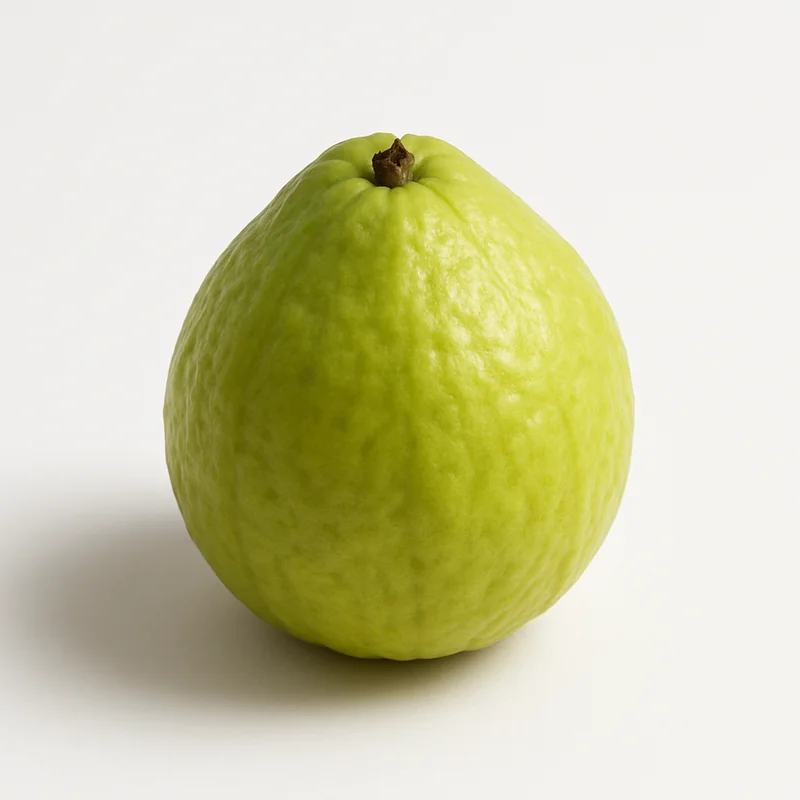
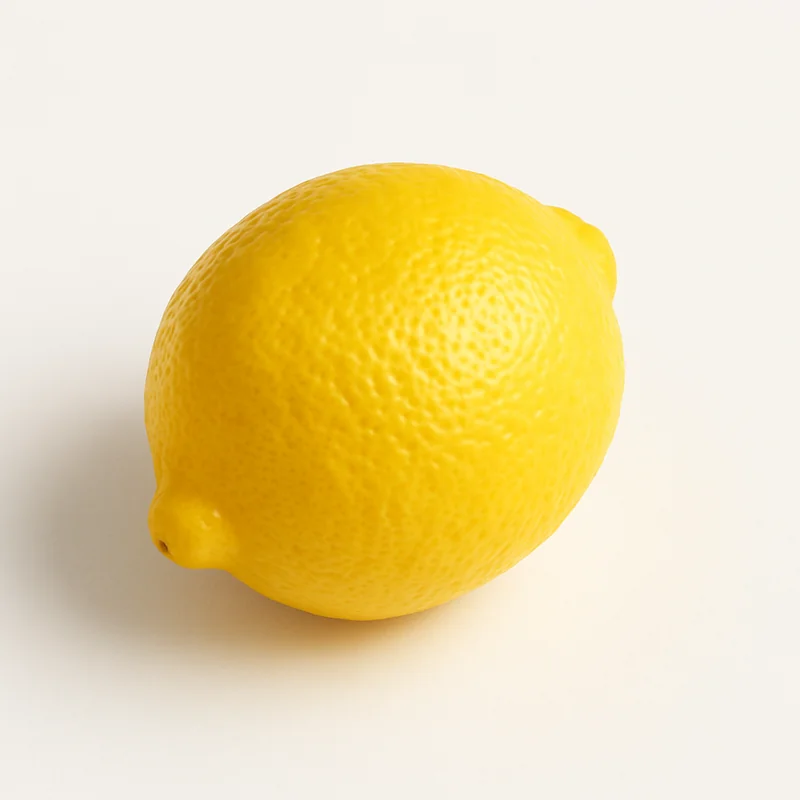
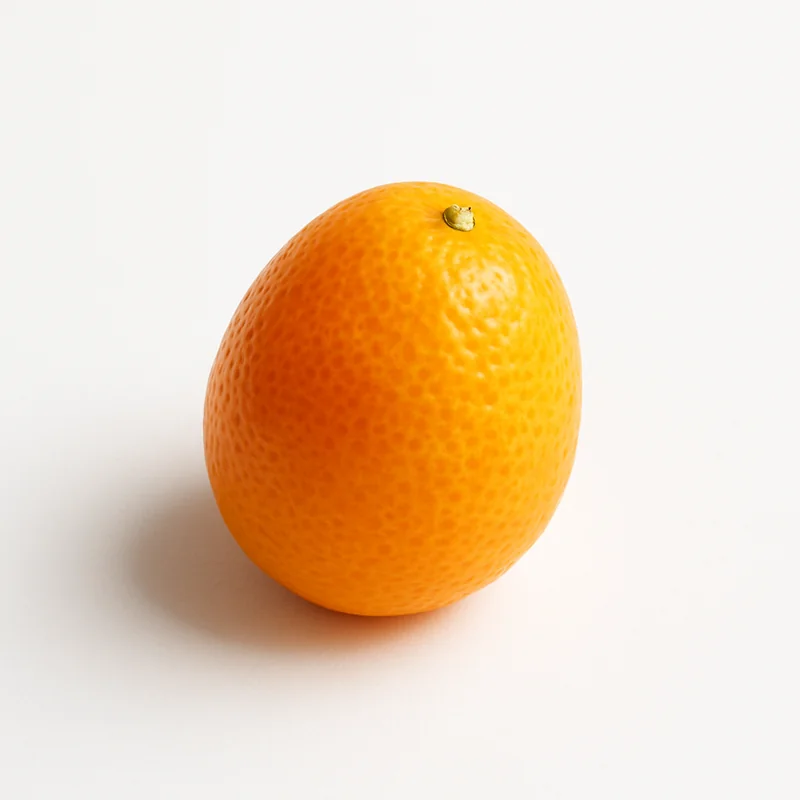
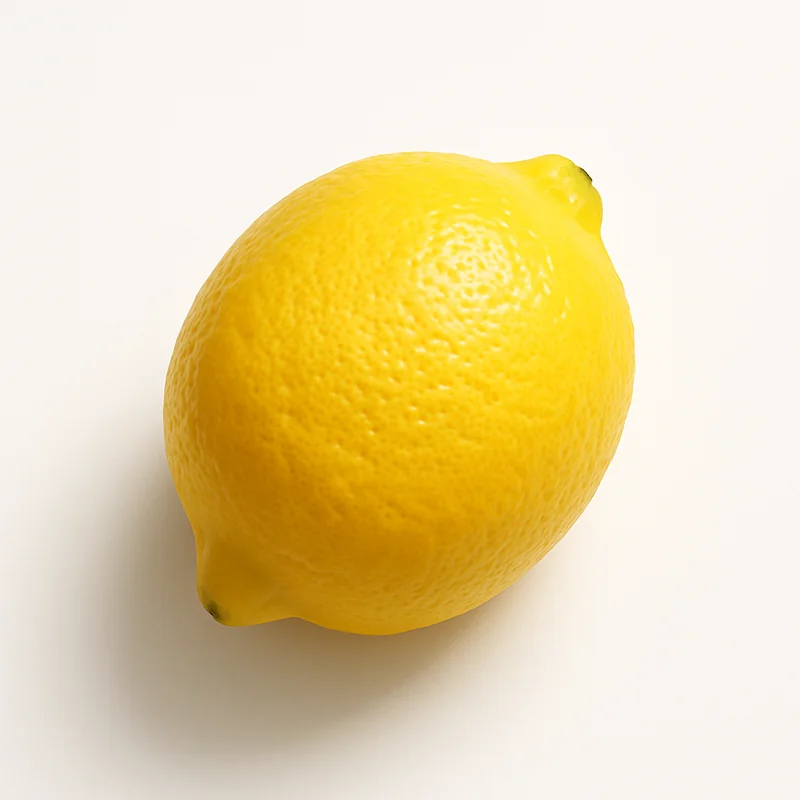
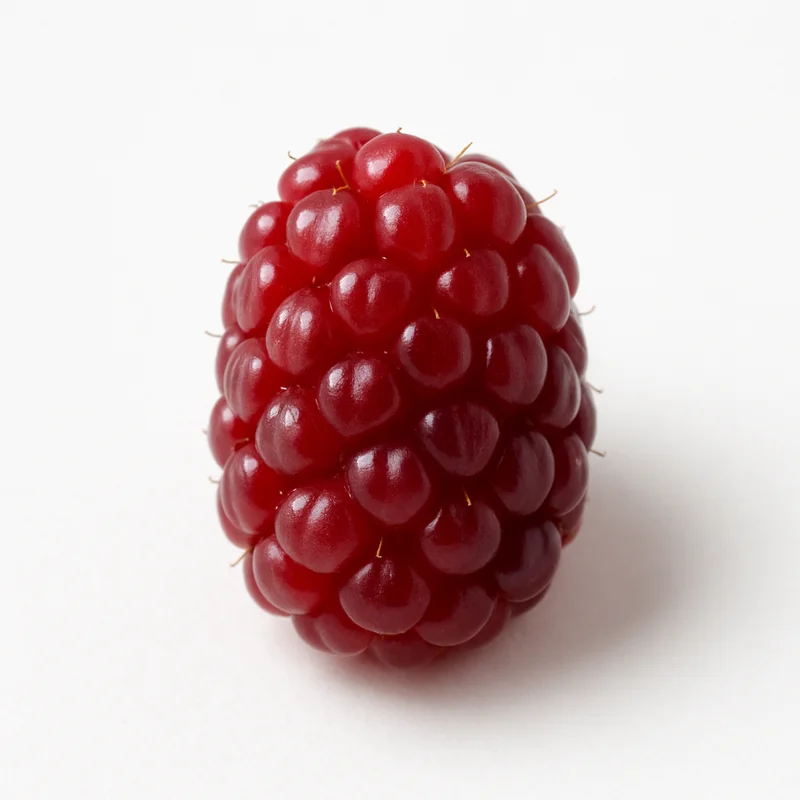
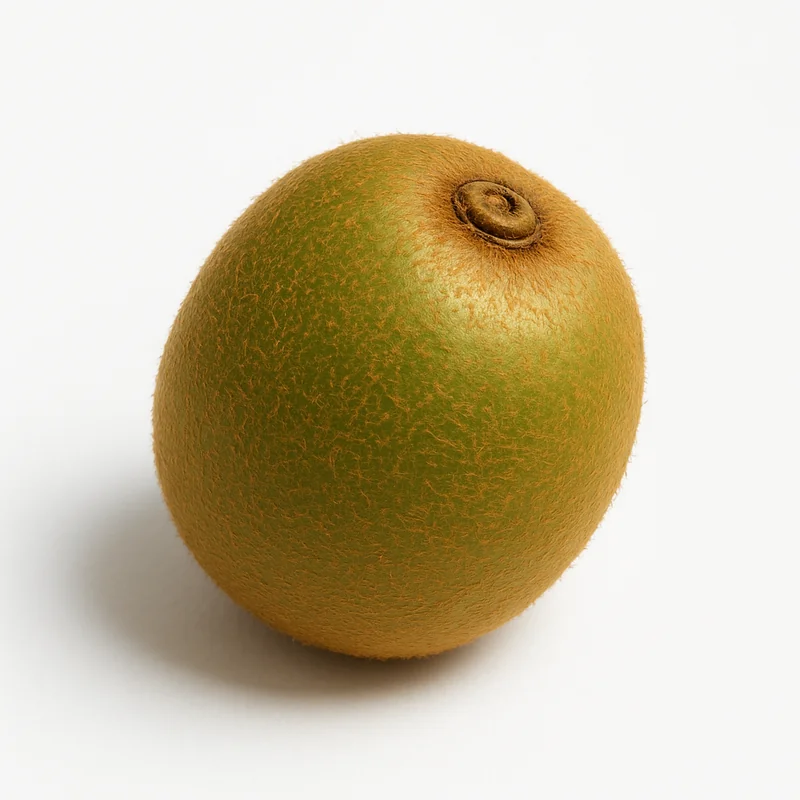
What is Peach actually covering?
See which nutrients your diet already delivers and which ones your supplements still need to — food and pills measured on the same scale.
Check my nutrients2 questions · free · no account needed to start
Also on iPhone — get the free app
Evidence-based supplement guides, no spam
We send a short digest when new guides drop — nothing else. No affiliate pushes, no sponsored content, unsubscribe anytime.