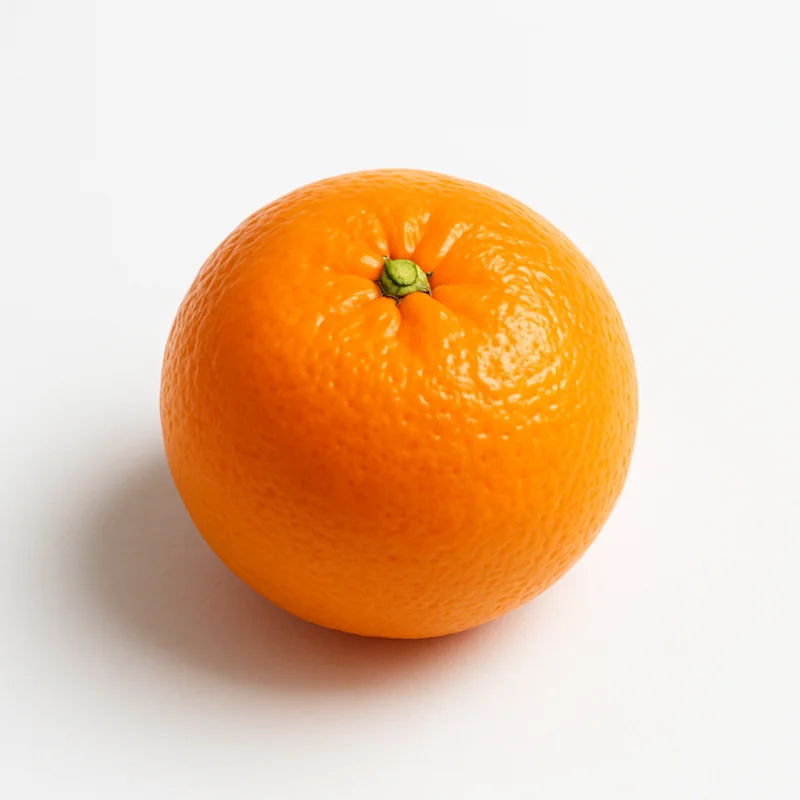
Mandarin
ScoreB
Mandarins are small, sweet citrus fruits rich in vitamin C and bioactive flavonoids, offering concentrated nutritional benefits with a low caloric density ideal for longevity-focused diets.
Why Mandarin scores 73
% Daily Value per 1 medium (140 g)
Nutrition
per 100 g
Health benefits
Enhanced immune function and skin health through vitamin C synthesis
strong evidenceVitamin C (ascorbic acid) is essential for collagen cross-linking, immune cell proliferation, and antioxidant defense, protecting tissues from oxidative damage that accelerates aging
Reduced cardiovascular disease risk through flavonoid intake
moderate evidenceHesperidin and other flavonoids in mandarins improve endothelial function, reduce LDL oxidation, and lower inflammatory markers associated with atherosclerosis
Blood pressure regulation via potassium content
strong evidencePotassium counteracts sodium's hypertensive effects, supporting vasodilation and reducing arterial stiffness critical for longevity
Anti-inflammatory effects reducing chronic disease risk
moderate evidencePolymethoxylated flavones (PMFs) in mandarin peel suppress NF-κB signaling and pro-inflammatory cytokines, mitigating age-related inflammation
Improved metabolic health and glucose tolerance
moderate evidenceFiber and polyphenols slow glucose absorption, support healthy gut microbiota, and enhance insulin sensitivity
Pairs well with
- ·Pair with almonds or walnuts: vitamin C enhances non-heme iron and polyphenol absorption, while nuts provide complementary healthy fats and vitamin E for synergistic antioxidant protection
- ·Combine with dark leafy greens (spinach, kale): vitamin C dramatically increases bioavailability of plant-based iron and minerals from greens through acidic compound enhancement
- ·Mix with Greek yogurt: protein stabilizes blood sugar response to natural sugars, while probiotics support polyphenol metabolism in the microbiome
- ·Pair with ginger or turmeric: both enhance anti-inflammatory effects through complementary bioactive compounds targeting different inflammatory pathways
Practical tips
- ·Best timing: Mandarins can be consumed at any time of day due to low glycemic impact and high nutrient density. Morning consumption provides early vitamin C for immune activation; post-lunch consumption provides sustained energy and polyphenol benefits without sleep disruption
- ·Consume the white pith: it contains the highest concentration of hesperidin and PMFs; don't completely remove it when eating fresh mandarins
- ·Choose mandarins with intact, unblemished skin stored at room temperature (3-5 days) or refrigerated (2-3 weeks) to preserve vitamin C and polyphenol content
- ·Eat whole rather than juiced to maintain fiber content and sustained nutrient release; whole fruit consumption is associated with better metabolic outcomes
- ·Select mandarins that feel heavy for their size, indicating higher juice and nutrient density; avoid soft spots which indicate accelerated pectin breakdown
- ·Pair consumption with meals containing dietary fat (olive oil, nuts, avocado) to enhance absorption of fat-soluble phytonutrients and improve satiety
Related foods
What is Mandarin actually covering?
See which nutrients your diet already delivers and which ones your supplements still need to — food and pills measured on the same scale.
Check my nutrients2 questions · free · no account needed to start
Also on iPhone — get the free app
Evidence-based supplement guides, no spam
We send a short digest when new guides drop — nothing else. No affiliate pushes, no sponsored content, unsubscribe anytime.