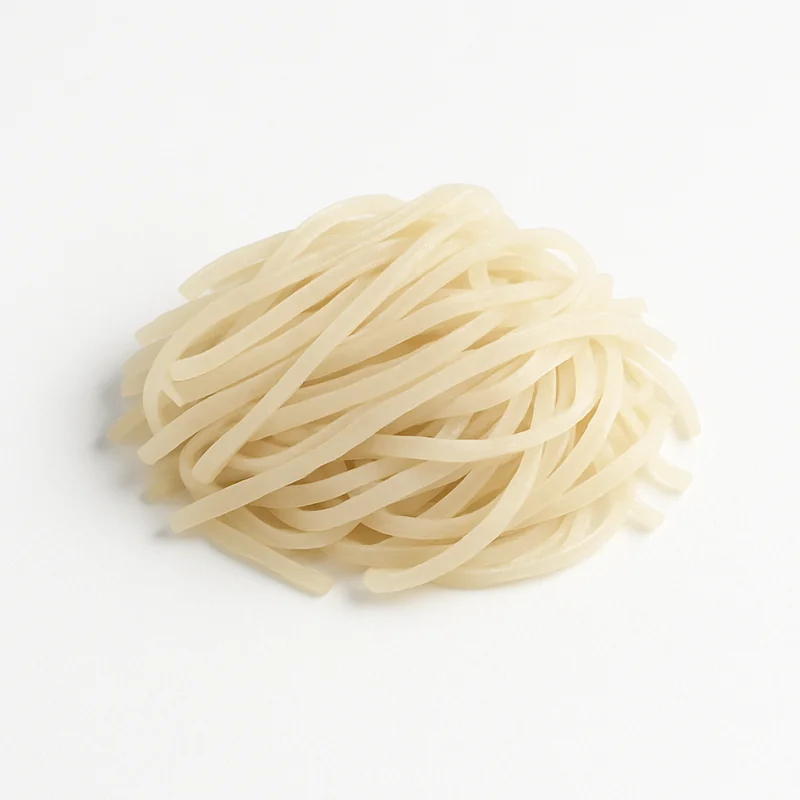
Rice Noodle
ScoreD
Rice noodles are a gluten-free grain product made from rice flour and water, providing easily digestible carbohydrates with minimal fiber and a low sodium variety when unsalted.
Why Rice Noodle scores 33
% Daily Value per ½ cup (50 g)
Nutrition
per 100 g
Health benefits
Gluten-free carbohydrate source for celiac disease and non-celiac gluten sensitivity management
strong evidenceRice contains no gluten proteins; provides safe, tolerable carbohydrate intake for individuals with intestinal gluten sensitivity
Rapid glucose absorption provides quick energy for post-exercise glycogen replenishment
moderate evidenceHigh glycemic index (80-90) enables rapid intestinal glucose absorption and hepatic glycogen resynthesis when consumed post-workout
Selenium content supports antioxidant enzyme function and thyroid hormone metabolism
strong evidenceSelenium is a cofactor for glutathione peroxidase and thioredoxin reductase, enzymes critical for oxidative stress reduction and immune function
Well-tolerated by individuals with sensitive digestive systems due to low residue and easy digestibility
moderate evidenceRefined rice carbohydrates require minimal enzymatic breakdown and produce minimal gas; low fiber reduces mechanical stress on the GI tract
Pairs well with
- ·Pair with legumes (beans, lentils) because they provide complementary lysine and methionine amino acids, creating a complete protein profile when combined
- ·Pair with fatty fish (salmon, mackerel) because omega-3 fatty acids slow gastric emptying and reduce postprandial glucose spikes from high-glycemic noodles
- ·Pair with cruciferous vegetables (broccoli, bok choy) because phytochemicals and fiber enhance satiety, modulate glucose response, and provide micronutrient density
- ·Pair with eggs because choline and lutein from eggs enhance neuroprotection and eye health, complementing selenium from rice noodles
Practical tips
- ·Best timing: post-workout
- ·Cook rice noodles al dente (slightly firm) rather than soft to reduce the glycemic index and preserve intestinal glucose absorption control
- ·Store dried rice noodles in airtight containers away from moisture and heat; they remain shelf-stable for 12+ months and are resistant to spoilage due to low moisture content
- ·Always pair with protein and healthy fats at meals to blunt glycemic response; add 2-3g fat and 10-15g protein per 100g noodles consumed
- ·Choose unsalted or low-sodium varieties when available; standard rice noodles contain 182mg sodium per 100g, which can contribute to sodium excess if consumed daily
Related foods
What is Rice Noodle actually covering?
See which nutrients your diet already delivers and which ones your supplements still need to — food and pills measured on the same scale.
Check my nutrients2 questions · free · no account needed to start
Also on iPhone — get the free app
Evidence-based supplement guides, no spam
We send a short digest when new guides drop — nothing else. No affiliate pushes, no sponsored content, unsubscribe anytime.