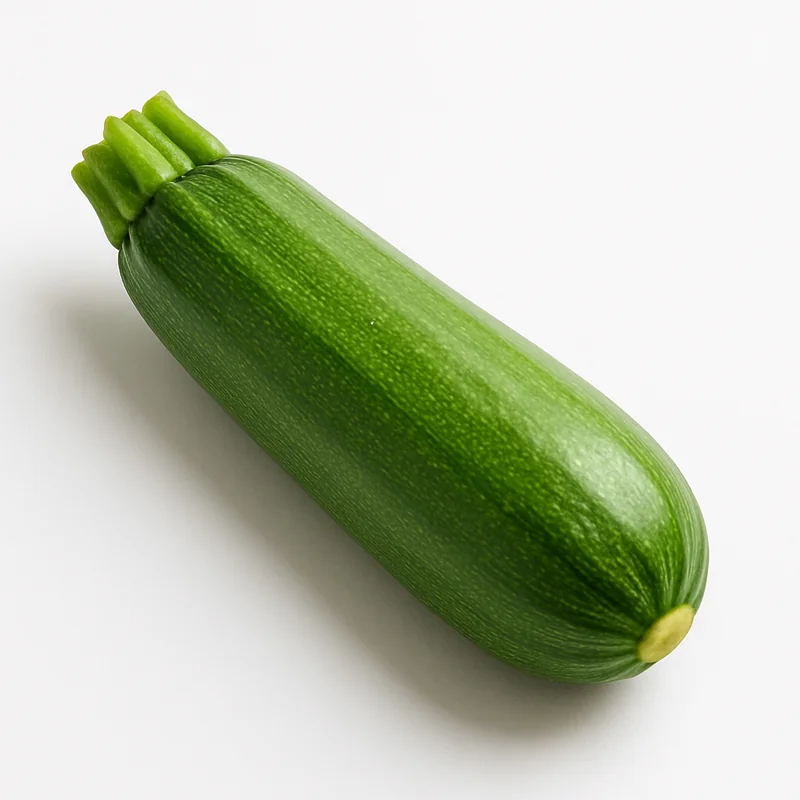
Zucchini
ScoreA+
Zucchini is a low-calorie, water-rich summer squash providing vitamin C, potassium, and fiber with minimal metabolic burden—ideal for weight management and sustained energy in longevity-focused diets.
Why Zucchini scores 91
% Daily Value per ½ cup (85 g)
Nutrition
per 100 g
Health benefits
Blood pressure regulation and cardiovascular support
strong evidencePotassium content (261 mg/100g) promotes sodium-potassium balance, reducing vascular tension and supporting healthy endothelial function
Antioxidant defense and collagen synthesis
strong evidenceVitamin C (17.9 mg/100g) neutralizes reactive oxygen species and stabilizes prolyl and lysyl hydroxylase for collagen cross-linking
Gut microbiota support and metabolic health
moderate evidenceSoluble fiber and polysaccharides function as prebiotics, nourishing beneficial bacteria and improving short-chain fatty acid production
Ocular and cognitive health preservation
moderate evidenceLutein and zeaxanthin in skin accumulate in the macula and hippocampus, filtering blue light and protecting neuronal function
Weight management and metabolic flexibility
moderate evidenceExtreme caloric density (17 kcal/100g) with satiety-inducing fiber allows high-volume consumption without metabolic burden
Pairs well with
- ·Pair with olive oil (2-3 tsp per serving) because fat-soluble carotenoids (lutein, zeaxanthin, β-carotene) in skin require lipid co-ingestion for optimal absorption
- ·Combine with sulfur-rich alliums (garlic, onions) to enhance phase II detoxification enzyme activation through synergistic polyphenol and organosulfur interactions
- ·Pair with tomatoes (both containing lycopene) because lycopene bioavailability increases 3-4x when combined with cooked tomatoes and fat
- ·Combine with herbs high in phenolics (basil, oregano, thyme) to amplify antioxidant capacity and extend polyphenol half-life in circulation
- ·Pair with legumes (lentils, chickpeas) to create a complete amino acid profile and enhance fiber fermentation for microbiota diversity
Practical tips
- ·Best timing: Zucchini's low glycemic load and negligible fructose content make it suitable for any meal or eating window. Evening consumption provides prebiotic fiber for overnight microbiota fermentation, while midday inclusion supports sustained satiety without energy crashes.
- ·Consume skin-on to maximize lutein, zeaxanthin, and fiber intake; light steaming (3-4 min) preserves heat-sensitive vitamin C better than extended cooking
- ·Select smaller, firmer zucchini (6-8 inches) as larger specimens accumulate more seeds and develop watery, less nutrient-dense flesh
- ·Store at 5°C (41°F) in ventilated containers for up to 7 days; plastic wrapping promotes mold growth by trapping moisture
- ·Blanch and freeze in portions to preserve enzymatic activity better than raw storage; frozen zucchini retains ~90% of original vitamin C after 3 months
- ·Spiral or ribbon raw zucchini to create low-glycemic pasta alternatives; combine with protein and fat to prevent rapid glucose spikes
Related foods
What is Zucchini actually covering?
See which nutrients your diet already delivers and which ones your supplements still need to — food and pills measured on the same scale.
Check my nutrients2 questions · free · no account needed to start
Also on iPhone — get the free app
Evidence-based supplement guides, no spam
We send a short digest when new guides drop — nothing else. No affiliate pushes, no sponsored content, unsubscribe anytime.