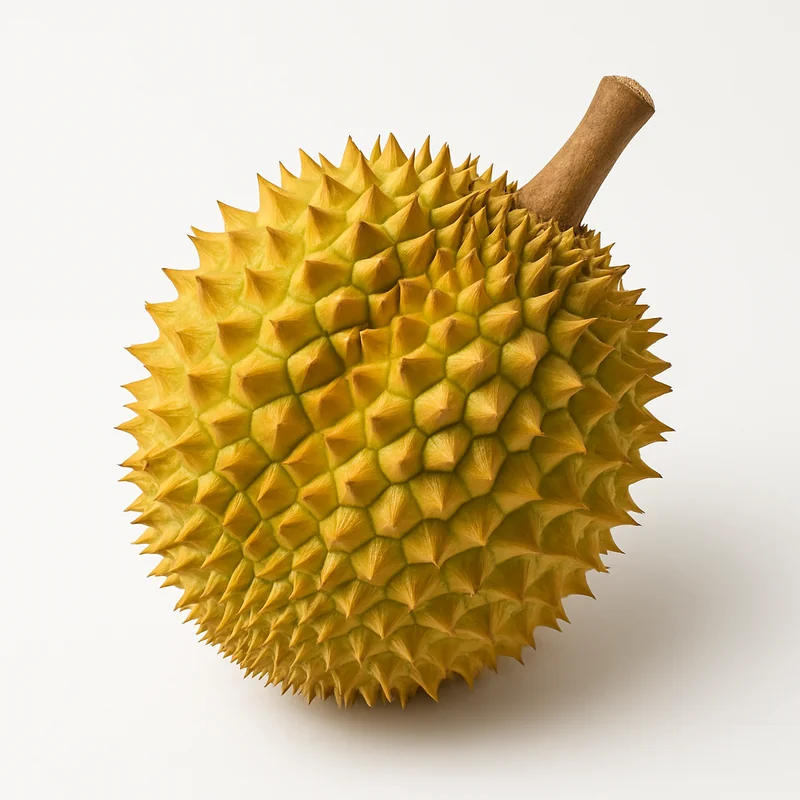
Durian
ScoreA
Durian is a tropical stone fruit rich in complex carbohydrates, potassium, and vitamin C, known as the 'king of fruits' for its creamy texture and distinctive flavor profile.
Why Durian scores 82
% Daily Value per 1 medium (140 g)
Nutrition
per 100 g
Health benefits
Supports cardiovascular health and blood pressure regulation
strong evidenceHigh potassium content (436mg per 100g) activates sodium-potassium pumps, reducing vascular stiffness and promoting healthy blood pressure; fiber aids cholesterol management
Enhances antioxidant defense and reduces systemic inflammation
moderate evidenceTannins, flavonoids, and phenolic compounds neutralize reactive oxygen species and inhibit pro-inflammatory cytokine production
Promotes digestive health and beneficial microbiota
strong evidenceDietary fiber (3.8g per 100g) acts as prebiotic substrate, feeding short-chain fatty acid-producing bacteria that support gut barrier integrity and immune function
Supports bone health and mineral metabolism
moderate evidenceContains magnesium (30mg) and phosphorus (39mg) essential for mineralization; vitamin C aids collagen cross-linking in bone matrix
May enhance mood and neurological function
emerging evidenceContains tryptophan precursors and B vitamins (niacin 1.07mg) that support serotonin synthesis and neuronal energy metabolism
Pairs well with
- ·Pair with yogurt or kefir because durian's bioactive compounds synergize with probiotics to enhance gut microbiota diversity and strengthen the intestinal barrier
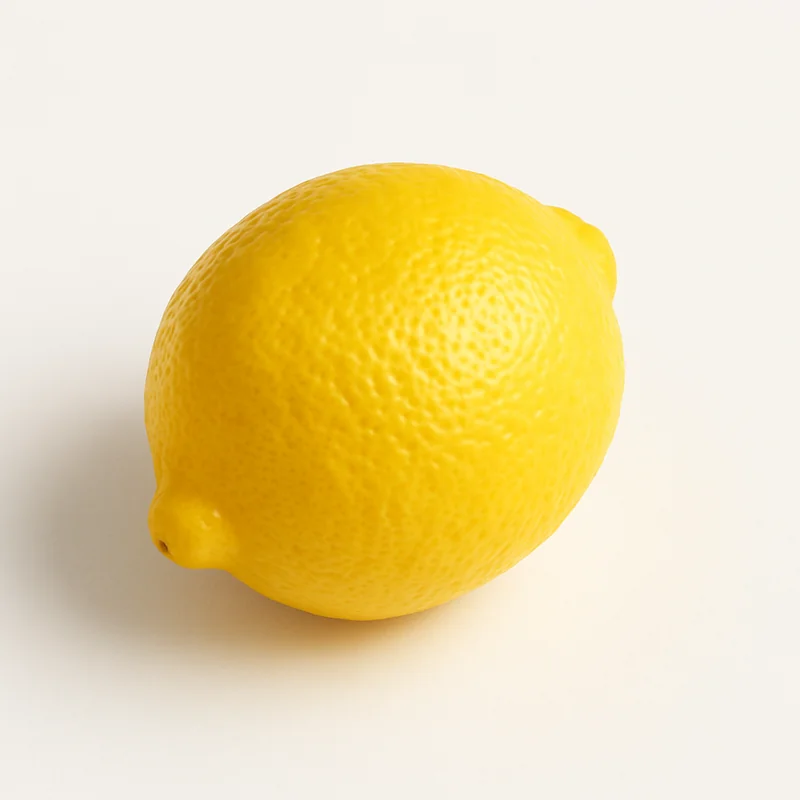
- ·Combine with lime or lemon juice because vitamin C in citrus increases polyphenol absorption and reduces the glycemic load through acid-induced enzyme inhibition
- ·Pair with almonds or other nuts because durian's complex carbohydrates with nut protein and healthy fats create sustained energy release and improved satiety signals
- ·Mix into smoothies with leafy greens like spinach because magnesium in both foods enhances mineral bioavailability and supports mitochondrial ATP production
Practical tips
- ·Best timing: midday
- ·Select durians with a strong, pungent aroma and slight give when gently pressed; avoid overly soft specimens indicating fermentation or spoilage
- ·Consume fresh durian within 2-3 days of opening; store unused portions in airtight containers in the freezer (up to 3 months) to preserve polyphenol content
- ·Limit portions to 100-150g per serving due to high natural sugar content; pair with protein sources to attenuate glycemic response in individuals with insulin sensitivity concerns
- ·Consume during midday or early afternoon when digestive enzyme activity peaks; avoid evening consumption close to bedtime as the fruit's high carbohydrate content may disrupt sleep in some individuals
- ·If fresh durian is unavailable, frozen durian flesh retains 80-90% of bioactive polyphenols and provides equivalent nutritional benefits without storage complications
Related foods
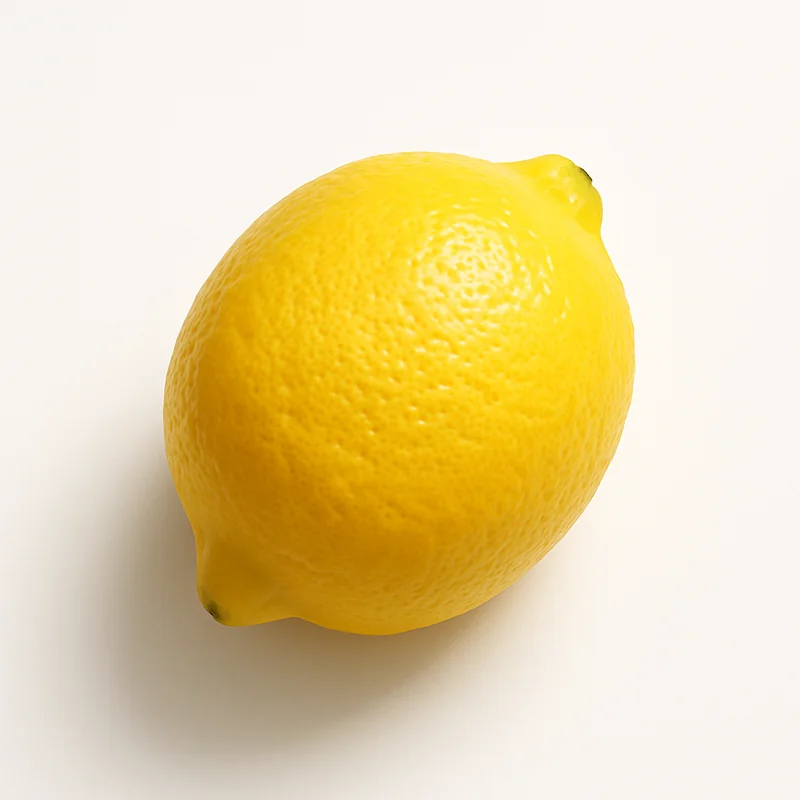
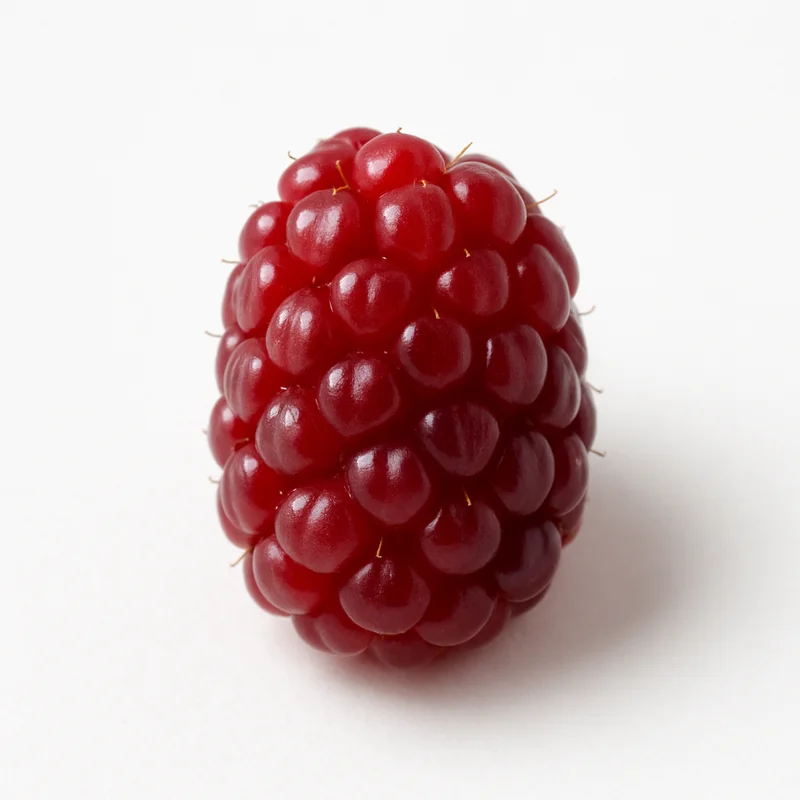
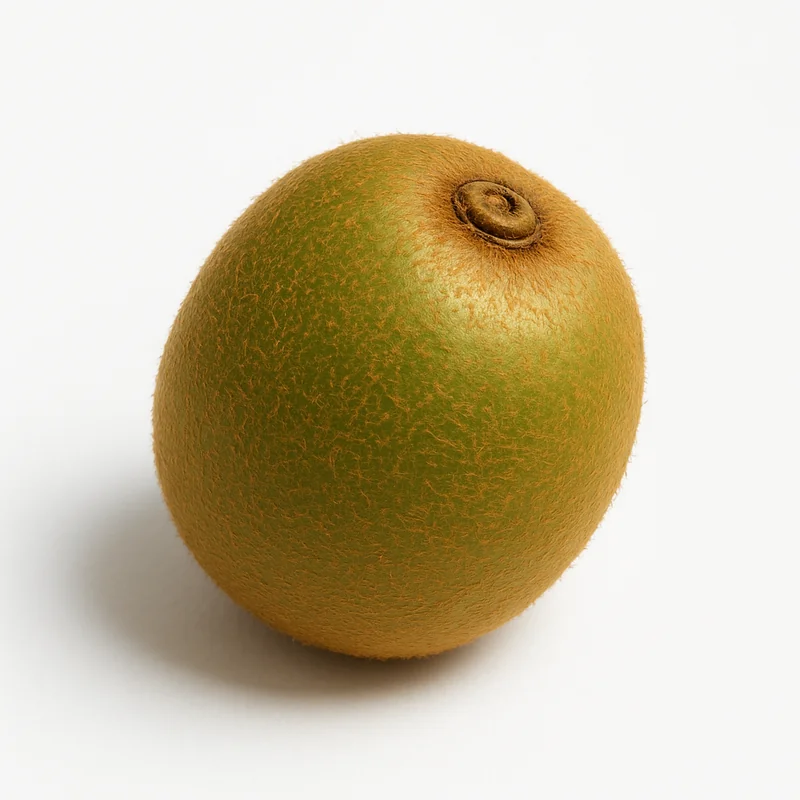
What is Durian actually covering?
See which nutrients your diet already delivers and which ones your supplements still need to — food and pills measured on the same scale.
Check my nutrients2 questions · free · no account needed to start
Also on iPhone — get the free app
Evidence-based supplement guides, no spam
We send a short digest when new guides drop — nothing else. No affiliate pushes, no sponsored content, unsubscribe anytime.