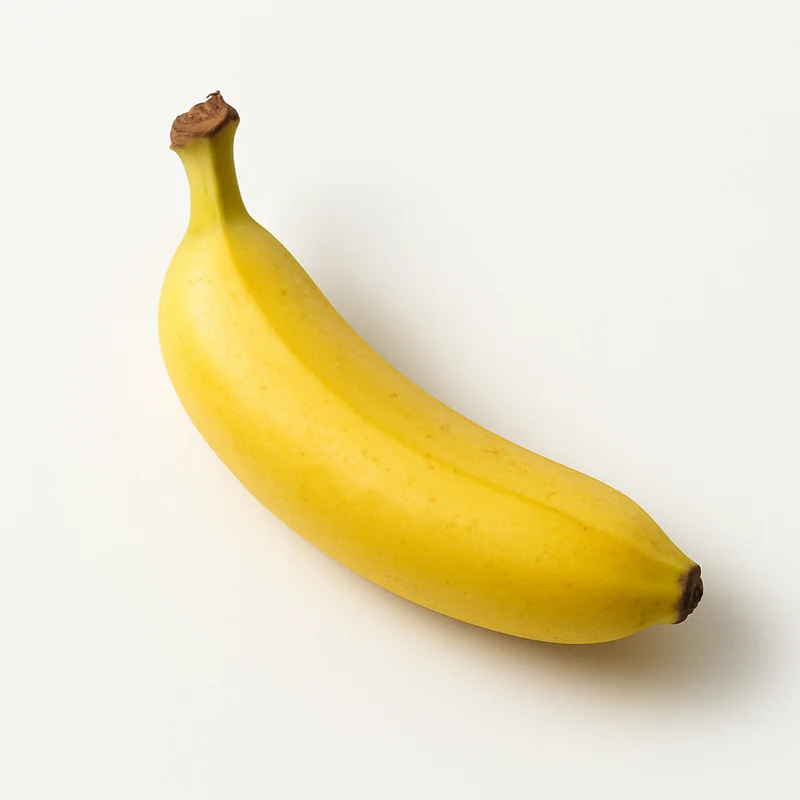
Banana
ScoreB
Bananas are nutrient-dense tropical fruits rich in potassium, fiber, and resistant starch, making them a convenient whole-food source of carbohydrates and micronutrients essential for cardiovascular and metabolic health.
Why Banana scores 66
% Daily Value per 1 medium (140 g)
Nutrition
per 1 banana
Health benefits
Supports cardiovascular health and blood pressure regulation
strong evidenceHigh potassium content counteracts sodium's effects on blood vessel tension, supporting healthy resting blood pressure and reducing left ventricular hypertrophy risk
Promotes healthy gut microbiota composition
moderate evidenceResistant starch (especially in green bananas) acts as a prebiotic, selectively feeding beneficial bacteria and increasing butyrate production for intestinal barrier integrity
Supports stable blood glucose levels
moderate evidencePectin and resistant starch slow gastric emptying and glucose absorption, reducing postprandial insulin spikes when consumed with protein or fat
Enhances mood and cognitive function
moderate evidenceVitamin B6 is essential for serotonin and dopamine synthesis; ripe bananas contain trace dopamine; tryptophan content supports endogenous serotonin production
Pairs well with
- ·Pair with nut butter (almond or peanut) because fat slows carbohydrate absorption and increases satiety, preventing glucose spikes
- ·Combine with Greek yogurt or cottage cheese because protein synergizes with banana's carbohydrates to stabilize blood sugar and enhance muscle protein synthesis
- ·Mix with cinnamon because this spice may enhance insulin sensitivity and reduce postprandial glucose responses to the fruit's natural sugars
- ·Blend with leafy greens (spinach, kale) because fat-soluble vitamins pair well with banana's water-soluble nutrients, creating a balanced micronutrient profile
Practical tips
- ·Best timing: post-workout
- ·Choose slightly green-tipped bananas for maximum resistant starch content; fully yellow bananas are higher in antioxidants but lower in prebiotic fiber
- ·Store at room temperature to allow ripening; refrigerate the peel only (skin darkens but flesh stays firm) once ripe to extend shelf life by 3-5 days
- ·Consume within 2 hours of exercise for optimal post-workout recovery due to carbohydrate replenishment and potassium replacement via sweat loss
- ·Slice and freeze overripe bananas for use in smoothie bowls, frozen smoothies, or as a dairy-free ice cream base—freezing preserves polyphenols and increases resistant starch conversion
Related foods

What is Banana actually covering?
See which nutrients your diet already delivers and which ones your supplements still need to — food and pills measured on the same scale.
Check my nutrients2 questions · free · no account needed to start
Also on iPhone — get the free app
Evidence-based supplement guides, no spam
We send a short digest when new guides drop — nothing else. No affiliate pushes, no sponsored content, unsubscribe anytime.