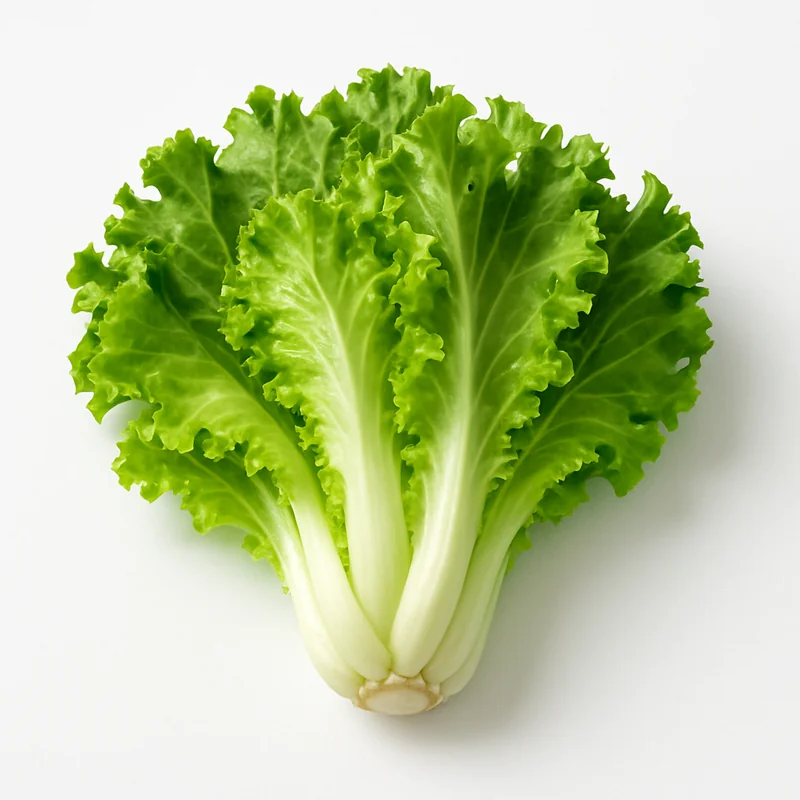
Escarole
ScoreA+
Escarole is a nutrient-dense leafy green with exceptionally high vitamin K content and low calorie density, making it an ideal foundation vegetable for longevity-focused diets.
Why Escarole scores 95
% Daily Value per ½ cup (85 g)
Nutrition
per 100 g
Health benefits
Enhanced bone health and reduced fracture risk
strong evidenceVitamin K acts as a cofactor for osteocalcin, a bone matrix protein essential for calcium binding and bone mineralization; escarole's 211.9 mcg per 100g exceeds daily requirements
Improved vascular function and blood pressure regulation
strong evidenceHigh potassium (245 mg/100g) supports natriuretic peptide signaling and arterial smooth muscle relaxation; vitamin K activates matrix Gla-protein to prevent vascular calcification
Prebiotic-mediated gut dysbiosis prevention and metabolic endotoxemia reduction
moderate evidenceInulin and dietary fiber selectively promote Faecalibacterium prausnitzii and other butyrate-producing bacteria, strengthening intestinal barrier integrity and reducing lipopolysaccharide translocation
Enhanced cognitive function and methylation capacity
moderate evidenceCholine (15.4 mg/100g) serves as a methyl donor for acetylcholine synthesis and supports phosphatidylcholine production in neuronal membranes; folate (78 mcg) regenerates methylenetetrahydrofolate for one-carbon metabolism
Anti-inflammatory and antioxidant stress mitigation
moderate evidencePhenolic compounds and vitamin C neutralize reactive oxygen species; chicoric acid and chlorogenic acid inhibit nuclear factor-kappa B inflammatory signaling pathways
Pairs well with
- ·Pair with extra virgin olive oil because fat-soluble vitamins K and A require dietary lipids for micelle formation and intestinal absorption efficiency
- ·Combine with citrus (lemon, orange) because vitamin C enhances non-heme iron bioavailability from escarole's plant sources through pH reduction in the proximal intestine
- ·Pair with cruciferous vegetables (broccoli, cauliflower) because complementary glucosinolates and isothiocyanates activate hepatic Phase I and Phase II detoxification enzymes synergistically
- ·Combine with legumes (lentils, chickpeas) because amino acid complementarity achieves complete protein profiles while soluble fiber creates prebiotic-synbiotic interactions
- ·Pair with fatty fish (salmon, sardines) because omega-3 polyunsaturated fats enhance the absorption of fat-soluble vitamins while the combination provides complementary anti-inflammatory effects
Practical tips
- ·Best timing: midday
- ·Select escarole with crisp, bright green outer leaves and minimal browning; store unwashed in a perforated plastic bag in the refrigerator crisper for up to 10 days to preserve vitamin K stability
- ·Wash thoroughly just before use under running water, separating leaves to remove soil trapped between layers; avoid soaking, which leaches water-soluble B vitamins and potassium
- ·Light sautéing in olive oil (2-3 minutes) reduces bitter compounds and increases vitamin K bioavailability while preserving heat-stable micronutrients better than raw consumption for those with compromised digestion
- ·Include the slightly bitter outer leaves—they contain concentrated polyphenols and inulin; inner tender leaves are milder and ideal for raw salads when gentler flavor is preferred
- ·Consume 50-100g (approximately one cup raw) daily as part of a mixed green rotation to maximize nutrient diversity and prevent potential antinutrient accumulation from excessive single-food consumption
Related foods
What is Escarole actually covering?
See which nutrients your diet already delivers and which ones your supplements still need to — food and pills measured on the same scale.
Check my nutrients2 questions · free · no account needed to start
Also on iPhone — get the free app
Evidence-based supplement guides, no spam
We send a short digest when new guides drop — nothing else. No affiliate pushes, no sponsored content, unsubscribe anytime.