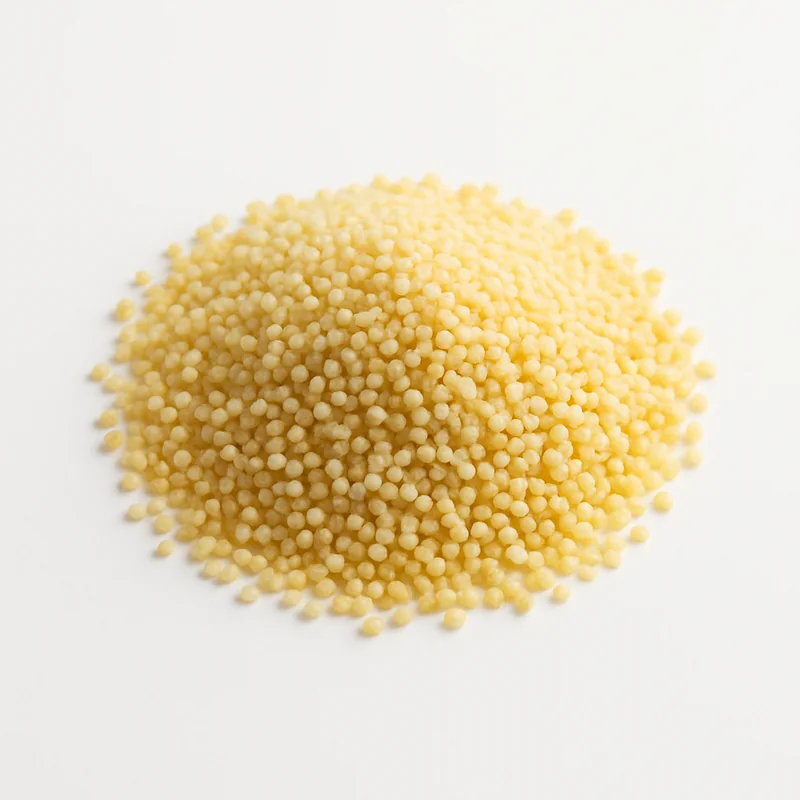
Couscou
ScoreC
Couscous is a small, grain-based pasta made from semolina wheat, offering moderate protein and substantial complex carbohydrates with good fiber content for sustained energy and digestive health.
Why Couscou scores 57
% Daily Value per ½ cup (50 g)
Nutrition
per 100 g
Health benefits
Supports stable blood glucose and sustained energy due to complex carbohydrate structure and moderate fiber content
strong evidenceCouscous has a moderate glycemic index; fiber slows carbohydrate digestion and glucose absorption, preventing blood sugar spikes
Promotes digestive health and prebiotic effects through dietary fiber
moderate evidenceInsoluble fiber in couscous increases stool bulk and promotes healthy gut transit, while supporting beneficial microbiota
Supports energy metabolism and nervous system function via B-vitamin complex
strong evidenceB6 and niacin are cofactors in enzymatic pathways for carbohydrate metabolism and neurotransmitter synthesis
Contributes to bone and mineral density through phosphorus and magnesium content
moderate evidencePhosphorus and magnesium are structural components of bone mineral matrix and cofactors in bone mineralization
Provides accessible plant-based protein for muscle maintenance and satiety
moderate evidenceCouscous contains all essential amino acids (though lower in lysine), supporting muscle protein synthesis when combined with complementary proteins
Pairs well with
- ·Pair with legumes (chickpeas, lentils) because they complement couscous's amino acid profile—legumes provide lysine while couscous supplies methionine, creating complete protein
- ·Combine with olive oil and vegetables because fat-soluble vitamins (A, D, E, K) from vegetables enhance absorption and couscous's low fat content benefits from healthy lipids
- ·Mix with turmeric and black pepper because curcumin (from turmeric) plus piperine (from pepper) enhance anti-inflammatory bioavailability
- ·Serve with fatty fish (salmon, sardines) because omega-3s and vitamin D support mineral absorption and reduce inflammation
Practical tips
- ·Best timing: midday
- ·Choose whole wheat couscous over refined varieties to triple dietary fiber content and increase B-vitamin and mineral density
- ·Steam couscous with low-sodium broth instead of water to add micronutrient depth and improve palatability without excess sodium
- ·Prepare in advance and store in airtight containers for up to 5 days to enable convenient nutrient-dense meal assembly
- ·Fluff with a fork immediately after steaming to prevent clumping and ensure even hydration and texture
- ·Combine with raw vegetables immediately before eating to preserve heat-sensitive vitamins and enzyme activity
Related foods
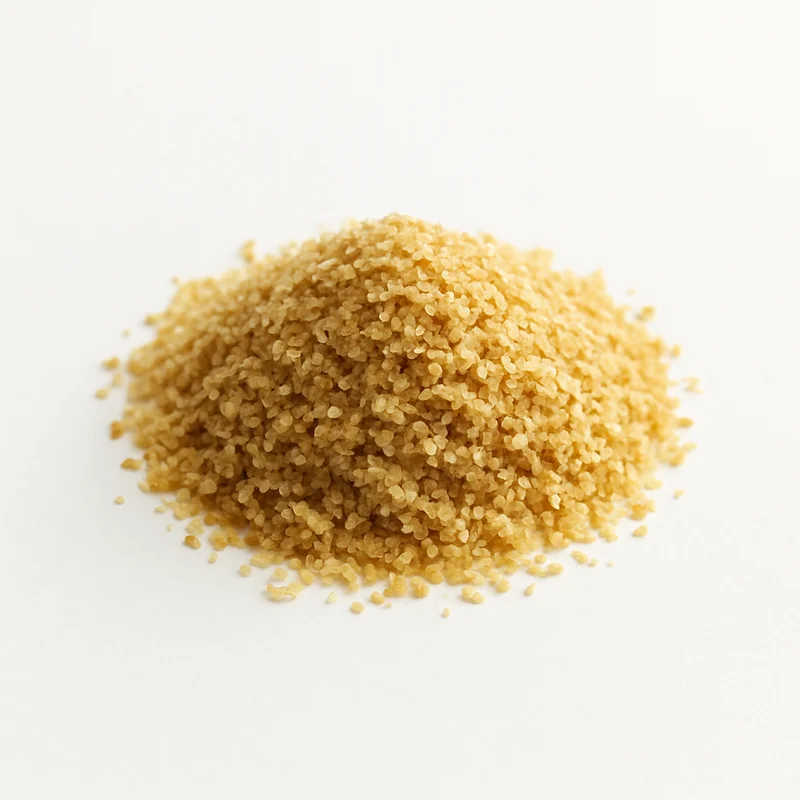
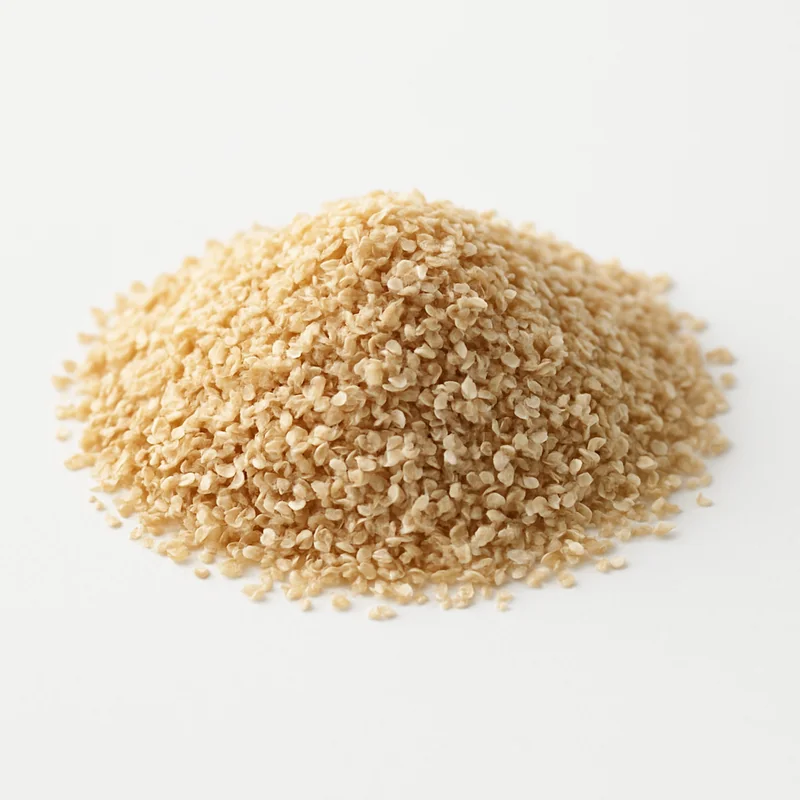
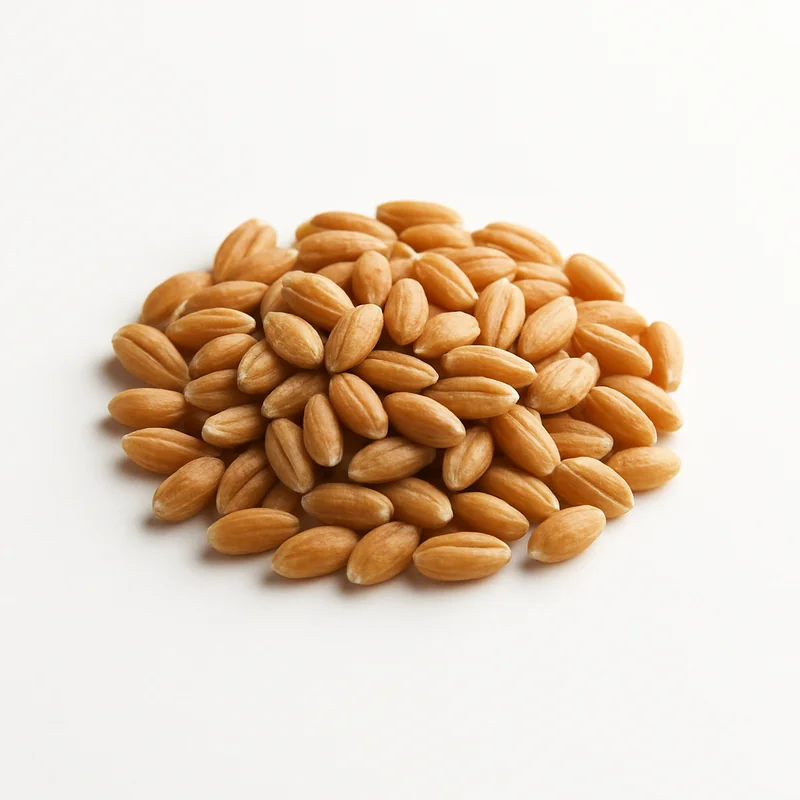
What is Couscou actually covering?
See which nutrients your diet already delivers and which ones your supplements still need to — food and pills measured on the same scale.
Check my nutrients2 questions · free · no account needed to start
Also on iPhone — get the free app
Evidence-based supplement guides, no spam
We send a short digest when new guides drop — nothing else. No affiliate pushes, no sponsored content, unsubscribe anytime.