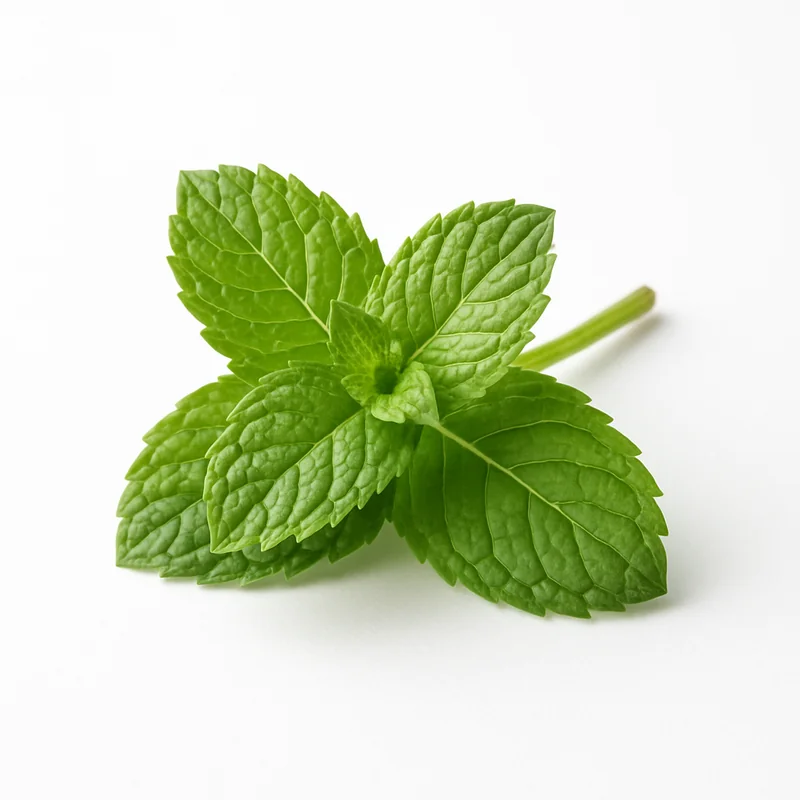
Spearmint
ScoreA+
Spearmint is a nutrient-dense culinary herb rich in iron, calcium, and polyphenols, offering antimicrobial and antioxidant properties with minimal calories.
Why Spearmint scores 94
% Daily Value per a pinch (2 g)
Nutrition
per 100 g
Health benefits
Digestive support and reduced bloating
moderate evidenceCarvone and other volatile compounds relax smooth muscle in the GI tract, improving peristalsis and reducing intestinal spasms
Anti-inflammatory and antioxidant activity
moderate evidencePolyphenolic flavonoids and limonene neutralize free radicals and inhibit pro-inflammatory pathways, reducing systemic oxidative stress
Potential hormonal balance support in women
emerging evidenceSpearmint may reduce androgen levels through cytochrome P450 enzyme modulation, relevant for PCOS management
Antimicrobial and oral health benefits
moderate evidenceCarvone and thymol exhibit documented antibacterial activity against oral pathogens and reduce plaque formation
Iron bioavailability support
strong evidenceVitamin C content (13.3 mg/100g) enhances non-heme iron absorption when consumed fresh with iron-rich foods
Pairs well with
- ·Pair with legumes (lentils, chickpeas) because fresh spearmint's vitamin C enhances non-heme iron absorption from plant-based proteins
- ·Combine with leafy greens in salads because both provide polyphenols that work synergistically to enhance antioxidant protection
- ·Mix with fatty fish (salmon) because fat-soluble polyphenols absorb more efficiently when consumed with dietary fat
- ·Blend into yogurt with berries because fermented dairy probiotics and spearmint's antimicrobial compounds support digestive symbiosis
- ·Steep with ginger and lemon in warm water because combined volatile oils enhance digestive motility and antimicrobial effects
Practical tips
- ·Best timing: Spearmint has minimal caffeine and can be consumed throughout the day. Fresh spearmint consumed with meals enhances iron absorption and aids digestion optimally, while evening consumption may provide mild relaxation without sedation.
- ·Purchase fresh spearmint with vibrant green leaves; store stems in water like a bouquet at room temperature for 5-7 days, or refrigerate wrapped in damp paper towels for up to 2 weeks
- ·Consume fresh rather than dried to maximize volatile oil content and bioactive compound availability—dried spearmint loses 60-80% of essential oils
- ·Steep fresh leaves for 3-5 minutes only; prolonged steeping (>10 min) causes excessive tannin extraction that may inhibit mineral absorption
- ·Grow spearmint in containers if possible, as it spreads aggressively in gardens; containerized plants ensure freshness and reduce pesticide exposure
- ·Consume 5-10g fresh leaves daily (roughly one small handful) as part of meals rather than isolated supplementation for consistent, safe intake
Related foods
What is Spearmint actually covering?
See which nutrients your diet already delivers and which ones your supplements still need to — food and pills measured on the same scale.
Check my nutrients2 questions · free · no account needed to start
Also on iPhone — get the free app
Evidence-based supplement guides, no spam
We send a short digest when new guides drop — nothing else. No affiliate pushes, no sponsored content, unsubscribe anytime.