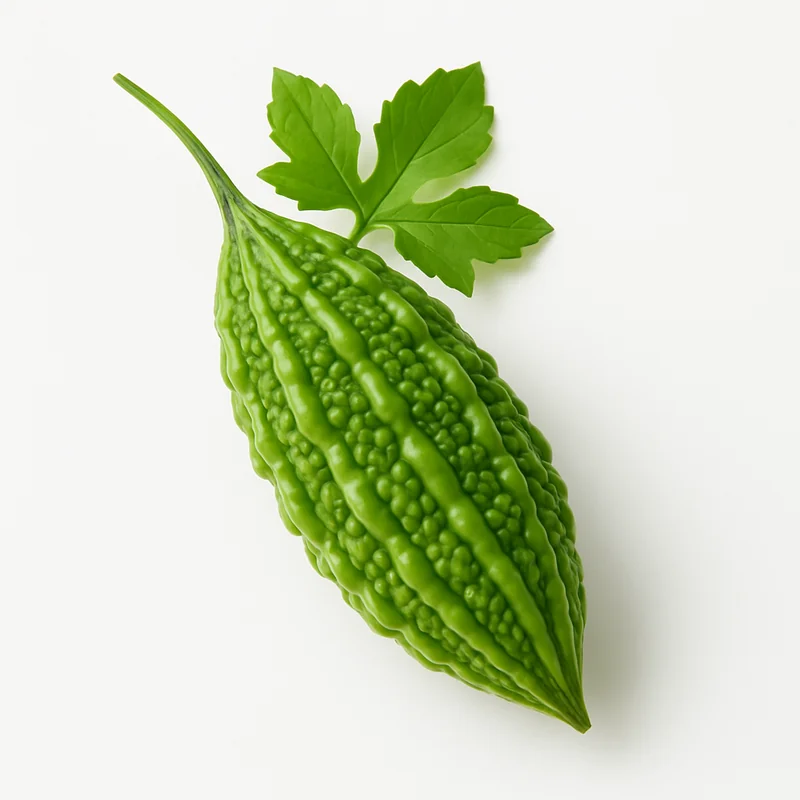
Balsam-Pear (Bitter Gourd)
ScoreA
Bitter gourd is a low-calorie cruciferous vegetable rich in vitamin C, potassium, and polyphenols, traditionally used in Asian cuisines for both culinary and medicinal purposes.
Why Balsam-Pear (Bitter Gourd) scores 78
% Daily Value per ½ cup (85 g)
Nutrition
per 100 g
Health benefits
Supports healthy blood glucose metabolism and insulin sensitivity
moderate evidencePolyphenols and triterpenes in bitter gourd enhance glucose uptake in cells and may improve pancreatic insulin secretion, helping maintain stable blood sugar levels
Reduces oxidative stress and inflammation markers
moderate evidenceHigh polyphenol and flavonoid content act as antioxidants, neutralizing free radicals and suppressing pro-inflammatory cytokine production
Supports cardiovascular health through potassium-mediated blood pressure regulation
strong evidence608mg potassium per 100g promotes vasodilation and counterbalances sodium effects, reducing vascular tension and supporting healthy blood pressure
Enhances immune function and wound healing
strong evidence88mg vitamin C per 100g stimulates collagen synthesis, boosts white blood cell function, and supports tissue repair mechanisms
May support liver detoxification and metabolic health
emerging evidenceBitter compounds trigger bitter taste receptors that enhance bile production and hepatic enzyme activity, supporting Phase I and II detoxification pathways
Pairs well with
- ·Pair with citrus fruits (lemon, lime, orange) to enhance iron absorption through vitamin C synergy, converting ferric iron to more bioavailable ferrous form
- ·Combine with healthy fats (coconut oil, olive oil) to improve absorption of fat-soluble polyphenols and enhance their bioavailability
- ·Eat alongside allium vegetables (garlic, onions) for additive anti-inflammatory and antioxidant effects through complementary phytonutrient profiles
- ·Pair with turmeric and black pepper to amplify anti-inflammatory benefits and increase curcumin absorption through piperine synergy
Practical tips
- ·Best timing: midday
- ·Select firm bitter gourds with unblemished, bright green skin; avoid soft or yellowing specimens indicating age and nutrient loss
- ·Reduce bitterness by salting sliced bitter gourd, allowing it to sit 15-20 minutes, then rinsing before cooking—this preserves bioactive compounds while improving palatability
- ·Store unwashed bitter gourd in a plastic bag in the refrigerator crisper drawer for up to 2 weeks; longer storage increases bitterness and nutrient degradation
- ·Steam or lightly stir-fry rather than boiling to minimize water-soluble vitamin C and polyphenol loss; aim for 5-7 minutes until tender-crisp
- ·Include the seeds (when young) as they contain additional polyphenols; remove only mature brown seeds which can be bitter
Related foods
What is Balsam-Pear (Bitter Gourd) actually covering?
See which nutrients your diet already delivers and which ones your supplements still need to — food and pills measured on the same scale.
Check my nutrients2 questions · free · no account needed to start
Also on iPhone — get the free app
Evidence-based supplement guides, no spam
We send a short digest when new guides drop — nothing else. No affiliate pushes, no sponsored content, unsubscribe anytime.