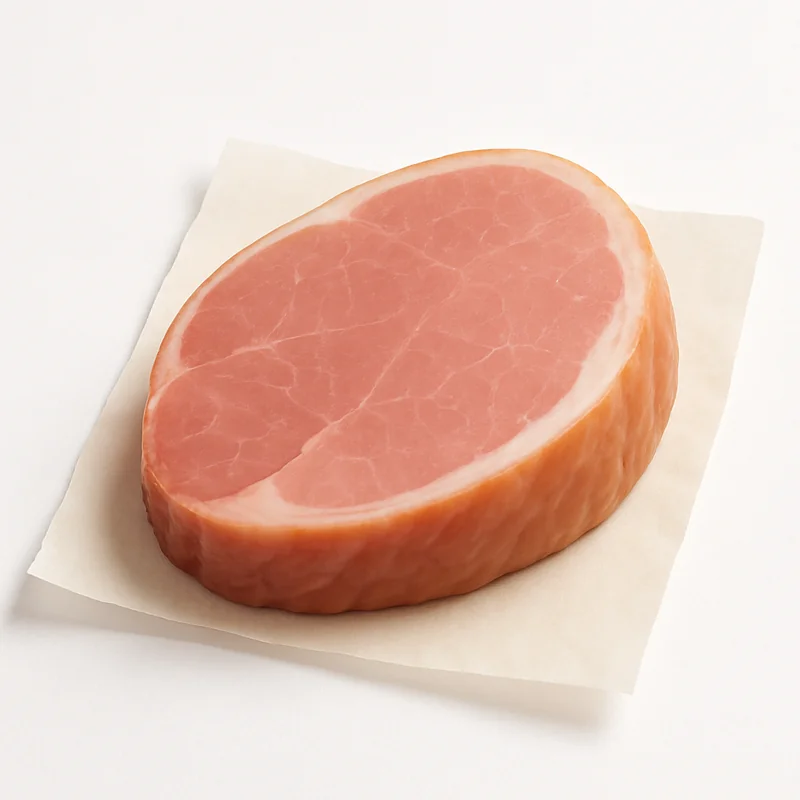
Ham
ScoreB
Ham is a cured pork product rich in high-quality protein and B vitamins, though notably high in sodium due to processing. It provides bioavailable micronutrients including selenium and choline with moderate caloric density.
Why Ham scores 66
% Daily Value per 3 oz (85 g)
Nutrition
per 100 g
Health benefits
Complete protein provision for muscle maintenance and recovery
strong evidenceHam contains all nine essential amino acids, supporting myofibrillar protein synthesis necessary for preserving lean muscle mass with aging
Selenium-dependent antioxidant and thyroid support
strong evidenceSelenium is incorporated into selenoproteins (glutathione peroxidase, thioredoxin reductase) that reduce oxidative stress and maintain thyroid hormone metabolism
Choline contribution to cognitive and hepatic function
moderate evidenceCholine is a precursor to acetylcholine (neurotransmitter) and phosphatidylcholine (membrane structure), supporting memory and liver lipid metabolism
Monounsaturated fat for metabolic flexibility
moderate evidenceMUFA composition (9.6g per 100g) improves insulin sensitivity and supports HDL cholesterol when displacing refined carbohydrates
Increased cardiovascular and mortality risk from processed meat consumption
strong evidenceHigh sodium (1,245 mg per 100g) elevates blood pressure; nitrates and processed meat compounds associated with endothelial dysfunction and colon cancer risk in large cohorts
Pairs well with
- ·Pair with leafy greens (spinach, kale) because potassium content offsets sodium's blood pressure impact and increases bioavailability of fat-soluble vitamins
- ·Combine with cruciferous vegetables (broccoli, Brussels sprouts) because sulfur compounds support Phase 2 detoxification of nitrates and cured meat metabolites
- ·Serve with citrus (orange, lemon) because vitamin C enhances non-heme iron absorption and provides antioxidant protection against lipid peroxidation
- ·Pair with whole grains (oats, quinoa) because fiber slows glucose response and prebiotic content mitigates potential dysbiotic effects of processed meat consumption
Practical tips
- ·Best timing: midday
- ·Choose nitrate-free or uncured ham varieties when available, as traditional curing nitrates convert to carcinogenic nitrosamines during digestion
- ·Limit portion size to 50-75g per serving (roughly 2-3 slices) to keep sodium intake under 300mg per meal and align with processed meat consumption guidelines
- ·Store in the coldest part of the refrigerator (below 40°F) and consume within 3-5 days of opening to prevent pathogenic bacterial growth in high-sodium, cured environment
- ·Soak sliced ham briefly in water before cooking to reduce sodium content by 10-15% without significantly compromising texture
- ·Select lower-sodium varieties labeled <400mg sodium per 100g, and verify no added sugars or phosphate additives that impair mineral absorption
Related foods
What is Ham actually covering?
See which nutrients your diet already delivers and which ones your supplements still need to — food and pills measured on the same scale.
Check my nutrients2 questions · free · no account needed to start
Also on iPhone — get the free app
Evidence-based supplement guides, no spam
We send a short digest when new guides drop — nothing else. No affiliate pushes, no sponsored content, unsubscribe anytime.