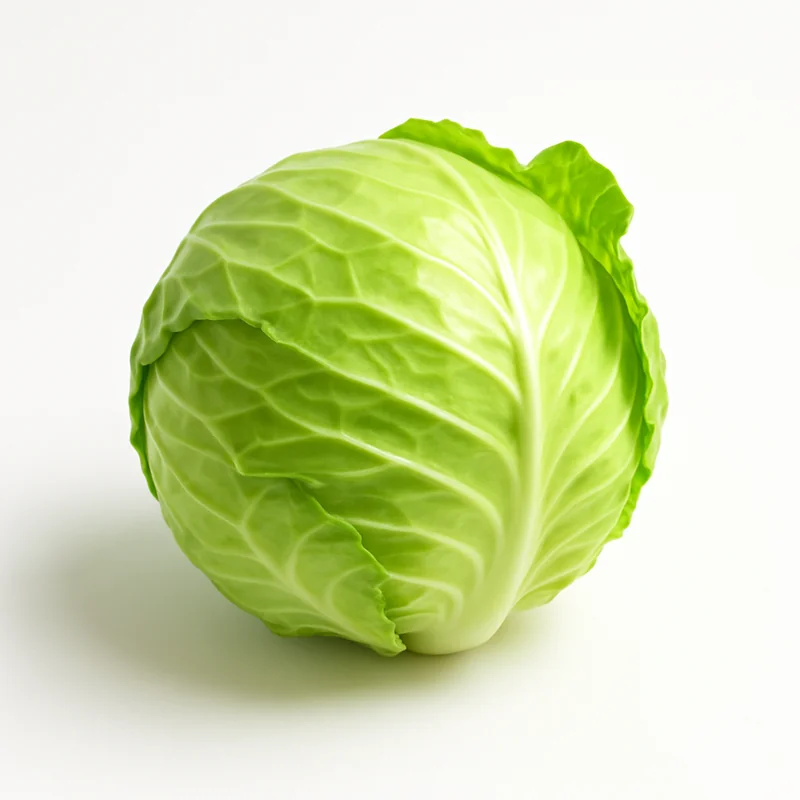
Sauerkraut
ScoreA
Sauerkraut is fermented cabbage rich in probiotics, vitamin K, and fiber, supporting gut health and longevity through microbial diversity and bioavailable nutrients.
Why Sauerkraut scores 89
% Daily Value per ½ cup (85 g)
Nutrition
per 100 g
Health benefits
Enhanced gut microbiome diversity and barrier function
moderate evidenceLive lactobacillus cultures and other lactic acid bacteria colonize the intestinal tract, increasing microbial diversity. Fiber acts as prebiotic fuel for beneficial bacteria. Short-chain fatty acids produced during fermentation strengthen the intestinal epithelial barrier and reduce intestinal permeability.
Improved digestive enzyme production and nutrient absorption
moderate evidenceFermentation pre-digests food compounds and produces additional enzymes. Lactic acid bacteria enhance the bioavailability of minerals like iron and calcium, and increase vitamin synthesis including folate and B vitamins.
Reduced systemic inflammation and improved immune regulation
moderate evidenceButyrate and other short-chain fatty acids produced by fermentation modulate immune cell differentiation, promoting regulatory T cells. Postbiotics (bacterial metabolites) activate pattern recognition receptors that strengthen innate immunity while reducing pro-inflammatory cytokine production.
Increased bioavailable vitamin K2 and bone health support
strong evidenceLactobacillus species synthesize vitamin K2 (menaquinone) during fermentation. Vitamin K2 activates osteocalcin and matrix Gla protein, proteins essential for bone mineralization and cardiovascular calcification prevention.
Reduced oxidative stress through sulfur compound activation
moderate evidenceFermentation enhances conversion of glucosinolates to isothiocyanates (sulforaphane analogs), which activate Nrf2 antioxidant pathways and phase II detoxification enzymes in the liver and intestinal epithelium.
Pairs well with
- ·Pair with fatty fish (salmon, mackerel) because vitamin K2 and fat-soluble vitamins require dietary fat for optimal absorption, and both foods support anti-inflammatory pathways
- ·Combine with whole grains (brown rice, oats) because the prebiotic fiber in sauerkraut feeds the microbiota that ferments grain fibers, creating synergistic short-chain fatty acid production
- ·Serve alongside legumes (lentils, chickpeas) because sauerkraut's enzymes and probiotics improve the digestibility and mineral bioavailability of plant proteins and polyphenols
- ·Eat with cruciferous vegetables (broccoli, cauliflower) because both contain glucosinolates, and sauerkraut's enzymes further optimize their conversion to bioactive isothiocyanates
- ·Mix with fermented foods (miso, tempeh, kimchi) because combining multiple probiotic sources increases bacterial strain diversity and metabolic complementarity in the gut
Practical tips
- ·Best timing: Sauerkraut can be consumed throughout the day. Some evidence suggests consuming probiotics with meals improves survival through the stomach acid barrier compared to fasting. Consistent daily consumption matters more than timing.
- ·Choose unpasteurized sauerkraut stored in the refrigerator section—heat processing kills beneficial live cultures. Check labels for 'live cultures' and absent heat treatment.
- ·Consume 1-2 tablespoons (30-60g) daily as a condiment rather than large portions; small consistent amounts are more effective for microbiome shifts than sporadic large consumption, and high sodium requires moderation
- ·Serve sauerkraut raw or at temperatures below 46°C (115°F) to preserve probiotic viability; cooking destroys live bacteria, though fermentation compounds remain beneficial
- ·If new to fermented foods, start with 1 tablespoon daily and gradually increase over 1-2 weeks to allow your microbiota to adapt and minimize temporary bloating or digestive changes
- ·Store opened jars submerged under brine to prevent mold growth and oxidation; unopened jars keep refrigerated for 4-6 months, providing a practical way to maintain consistent consumption
Related foods
What is Sauerkraut actually covering?
See which nutrients your diet already delivers and which ones your supplements still need to — food and pills measured on the same scale.
Check my nutrients2 questions · free · no account needed to start
Also on iPhone — get the free app
Evidence-based supplement guides, no spam
We send a short digest when new guides drop — nothing else. No affiliate pushes, no sponsored content, unsubscribe anytime.