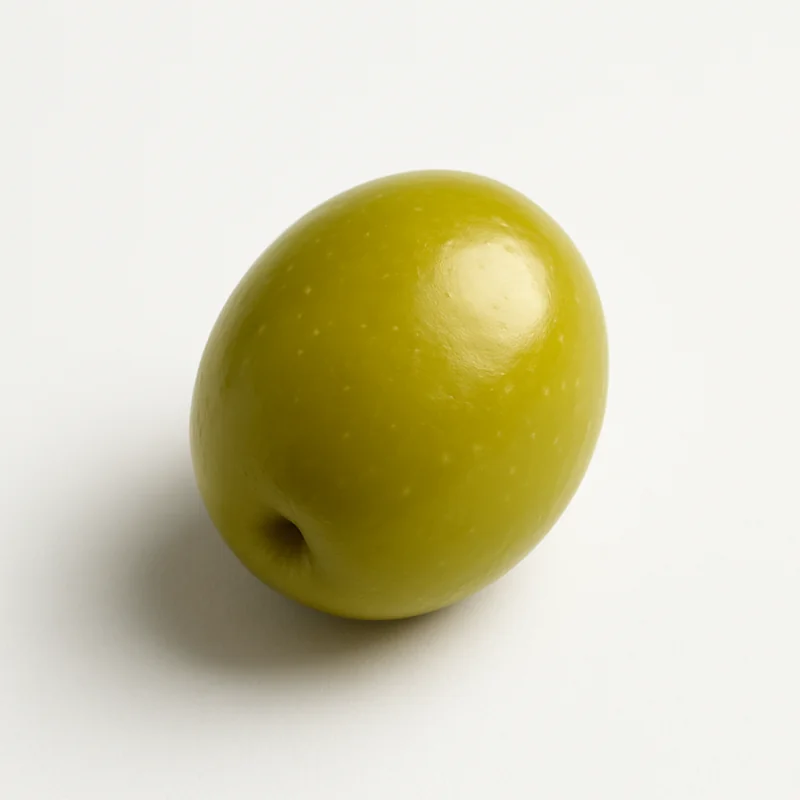
Olives
ScoreA
Olives are nutrient-dense fruits rich in monounsaturated fats, polyphenols, and vitamin E, particularly prized in Mediterranean diets for their cardiovascular and anti-inflammatory properties.
Why Olives scores 75
% Daily Value per 1 medium (140 g)
Nutrition
per 100 g
Health benefits
Reduced cardiovascular disease risk and improved lipid profiles
strong evidenceOleic acid (monounsaturated fat) and polyphenols like hydroxytyrosol lower LDL oxidation, improve endothelial function, and reduce systemic inflammation markers including CRP and IL-6
Enhanced cognitive function and reduced neurodegenerative disease risk
moderate evidencePolyphenols cross the blood-brain barrier and provide neuroprotection through antioxidant and anti-inflammatory pathways; oleuropein activates SIRT1 and autophagy-related pathways
Improved bone health and reduced osteoporosis risk
moderate evidencePolyphenols inhibit osteoclast activity and promote osteoblast differentiation; oleic acid enhances calcium absorption efficiency
Antimicrobial and anti-cancer properties
emerging evidenceOleuropein and other secoiridoids demonstrate antimicrobial activity against pathogenic bacteria and in-vitro antiproliferative effects on cancer cell lines, though human evidence remains limited
Reduced insulin resistance and improved glucose metabolism
moderate evidencePolyphenols improve insulin sensitivity through AMPK activation and reduce postprandial glucose spikes via delayed gastric emptying
Pairs well with
- ·Pair with leafy greens (spinach, arugula) because fat-soluble vitamins (K, E) and polyphenols are enhanced by the oleic acid in olives, improving bioavailability
- ·Combine with tomatoes and feta cheese because lycopene absorption from tomatoes is enhanced by monounsaturated fats, while fermented feta provides synergistic probiotics
- ·Mix with fatty fish (sardines, mackerel) because both provide omega-3 and monounsaturated fats that work synergistically to reduce inflammation and improve cardiovascular outcomes
- ·Pair with whole grains (farro, quinoa) because fiber slows polyphenol metabolism, extending their antioxidant residence time in the gut
Practical tips
- ·Best timing: Olives are best consumed with meals containing carbohydrates or proteins, as the fat content slows digestion and stabilizes blood glucose. No specific time-of-day advantage exists, but midday meals are ideal to prevent evening sodium intake if sodium is a concern
- ·Choose green olives over black for maximum oleuropein content; unripe olives contain 2-3x higher polyphenol levels than ripe varieties
- ·Select olives cured in brine rather than lye-cured varieties to preserve polyphenol content; rinse excess sodium before eating if monitoring intake
- ·Consume olives with their extraction oil (extra-virgin olive oil adds additional polyphenols); oil-cured olives provide the most bioactive compounds
- ·Store opened olive containers in the brine solution in the refrigerator to maintain polyphenol stability; limit exposure to air and light
- ·Include 10-15 olives (about 40-50g) as part of a meal rather than a standalone snack to optimize fat absorption and satiety
Related foods
What is Olives actually covering?
See which nutrients your diet already delivers and which ones your supplements still need to — food and pills measured on the same scale.
Check my nutrients2 questions · free · no account needed to start
Also on iPhone — get the free app
Evidence-based supplement guides, no spam
We send a short digest when new guides drop — nothing else. No affiliate pushes, no sponsored content, unsubscribe anytime.