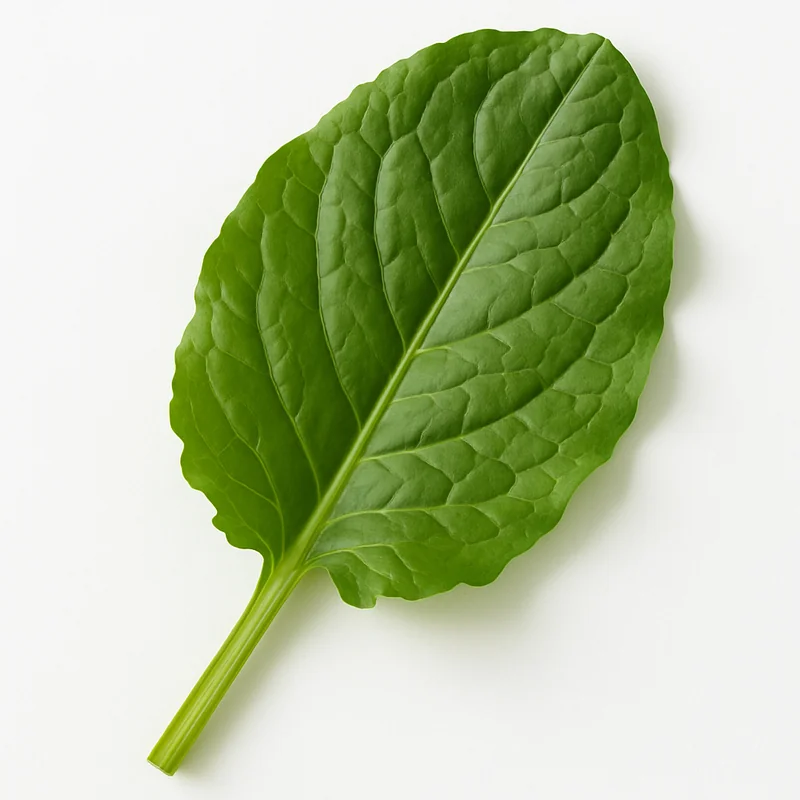
Dock
ScoreA+
Dock is a leafy green vegetable in the buckwheat family, rich in potassium, magnesium, and iron, with a tart flavor profile similar to sorrel. It offers exceptional mineral density with minimal calories, making it valuable for cardiovascular and bone health.
Why Dock scores 96
% Daily Value per ½ cup (85 g)
Nutrition
per 100 g
Health benefits
Supports cardiovascular health through potassium and magnesium content
strong evidencePotassium (390mg/100g) regulates blood pressure by counteracting sodium and supporting vasodilation; magnesium (103mg/100g) maintains arterial elasticity and reduces inflammation in vascular tissue
Enhances iron absorption and addresses anemia risk
moderate evidenceDock contains 2.4mg heme-independent iron paired with 48mg vitamin C, which acidifies the digestive environment and reduces oxalate inhibition of non-heme iron absorption
Supports bone and mineral metabolism
moderate evidenceMagnesium and phosphorus work synergistically to maintain bone mineral density; dock's mineral profile supports osteoblast function despite oxalate content
Provides antioxidant and anti-inflammatory support via oxalates and polyphenols
emerging evidenceOxalates and polyphenolic compounds in dock exhibit free-radical scavenging activity and may reduce chronic inflammatory markers
Supports digestive function and liver health
emerging evidenceBitter compounds stimulate bile production and hepatic detoxification; fiber content (2.9g/100g) supports healthy microbiota diversity
Pairs well with
- ·Pair with citrus (lemon or orange) to maximize non-heme iron absorption by providing vitamin C that overcomes oxalate inhibition
- ·Combine with calcium-rich foods like dairy or fortified plant-based alternatives, consumed separately, to mitigate oxalate competition for calcium bioavailability
- ·Serve with fat sources (olive oil, avocado) to enhance absorption of fat-soluble vitamin A and support polyphenol bioavailability
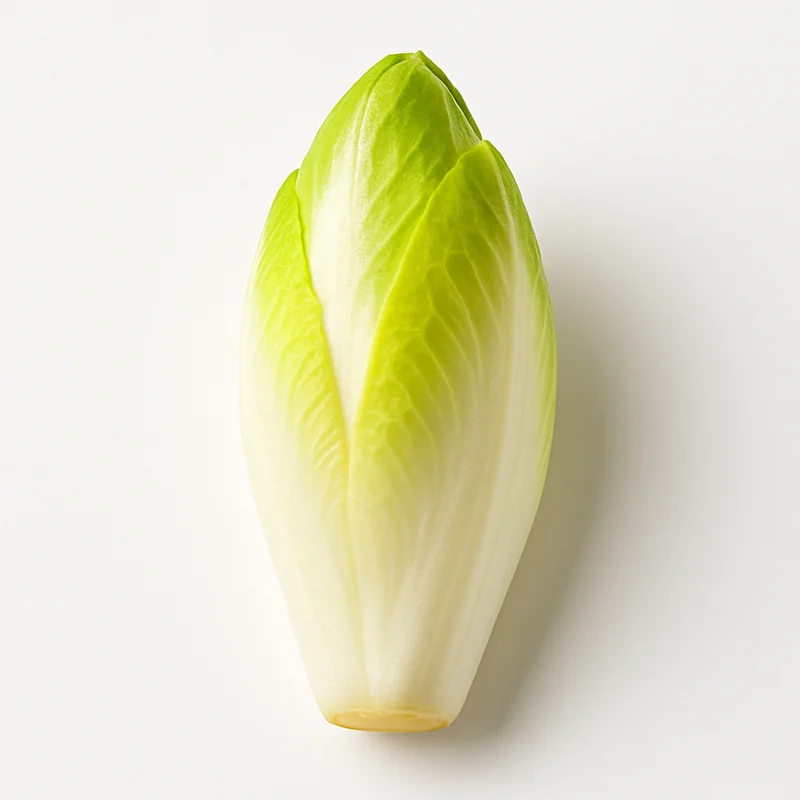
- ·Mix with other bitter greens like radicchio or endive for synergistic digestive stimulation and broader phytonutrient diversity
Practical tips
- ·Best timing: midday
- ·Select young dock leaves with minimal yellowing and cook similarly to spinach or kale; briefly blanch or sauté to reduce oxalate content by 20-30% while preserving heat-stable potassium and magnesium
- ·Store fresh dock in refrigerator crisper wrapped in damp cloth for up to 5 days; dock wilts quickly and is best consumed within 2-3 days of purchase for maximum nutrient retention
- ·If consuming dock regularly (>3x weekly), consider pairing consistently with vitamin C sources and spacing intake throughout the week to minimize cumulative oxalate load if sensitive to kidney stones
- ·Use dock as a base for potage, blended soups, or stir-fries rather than raw salads to improve palatability of its strong tart flavor while maintaining nutritional density
- ·Source organic or foraged dock when possible, as the vegetable readily accumulates soil minerals; wash thoroughly before use to remove any residual sediment
Related foods
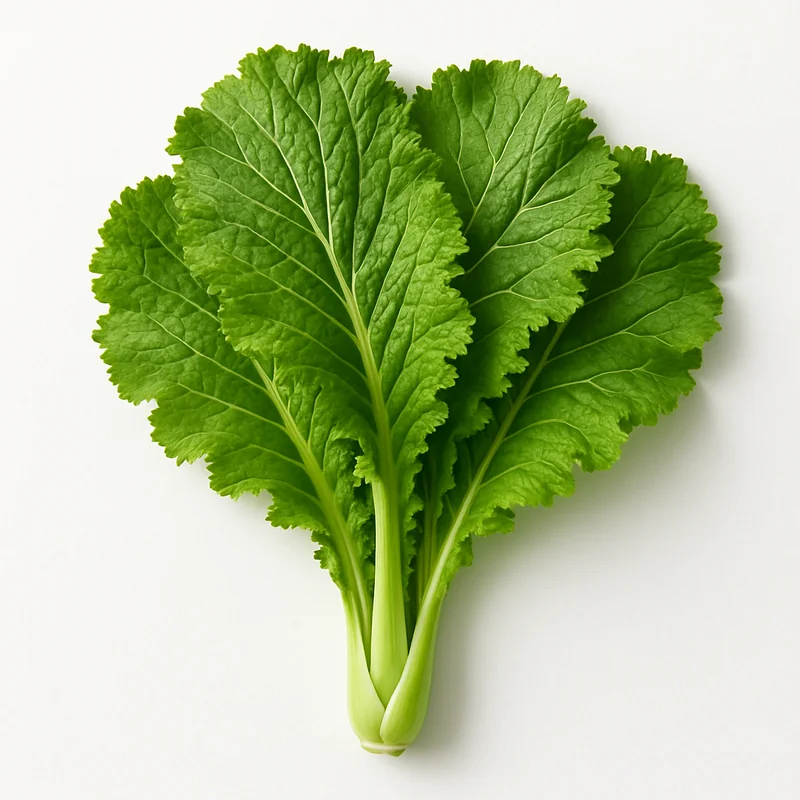
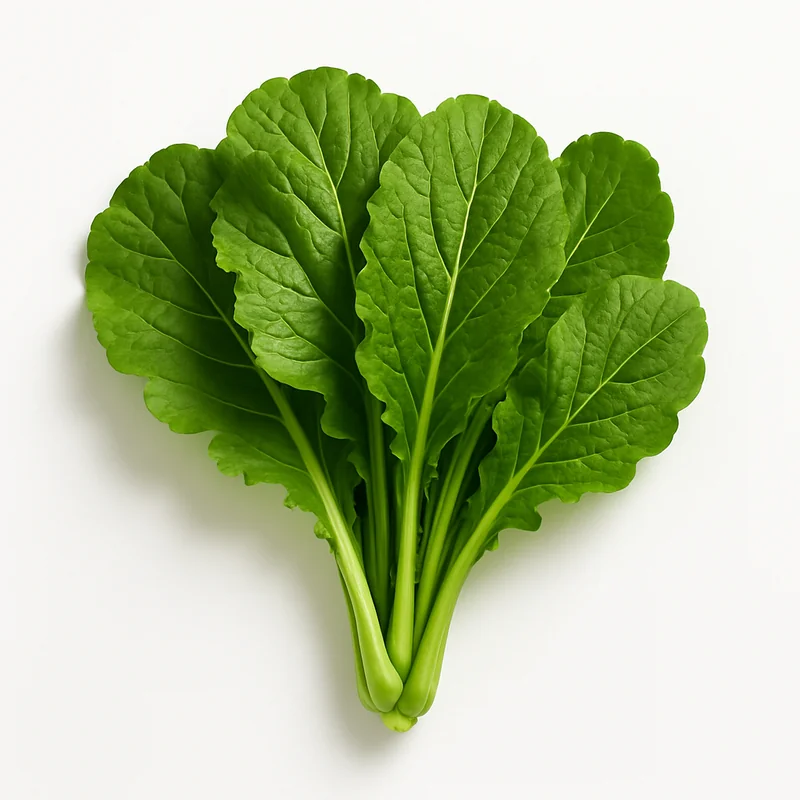
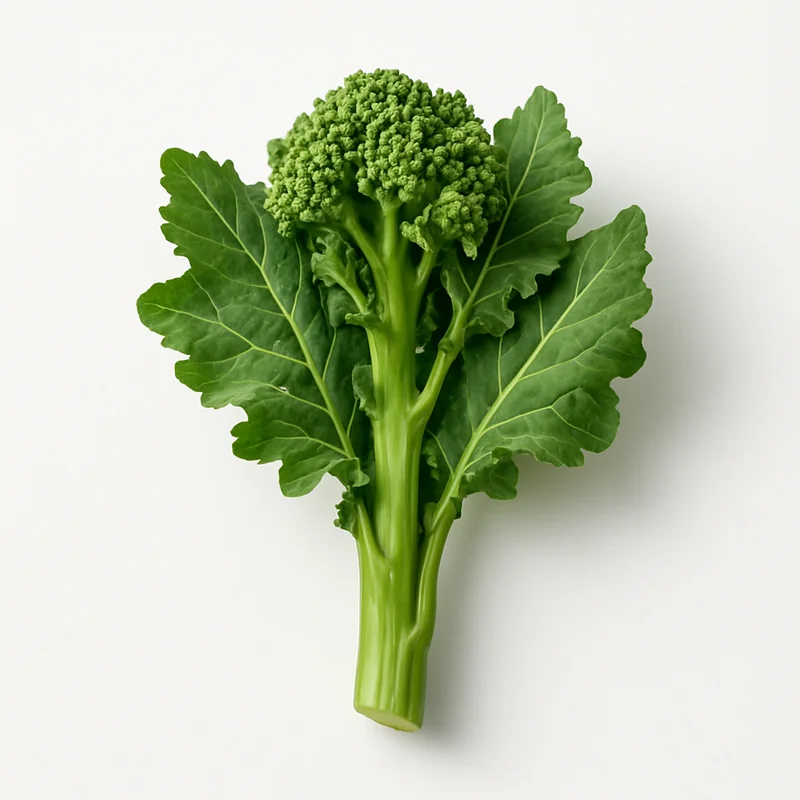
What is Dock actually covering?
See which nutrients your diet already delivers and which ones your supplements still need to — food and pills measured on the same scale.
Check my nutrients2 questions · free · no account needed to start
Also on iPhone — get the free app
Evidence-based supplement guides, no spam
We send a short digest when new guides drop — nothing else. No affiliate pushes, no sponsored content, unsubscribe anytime.