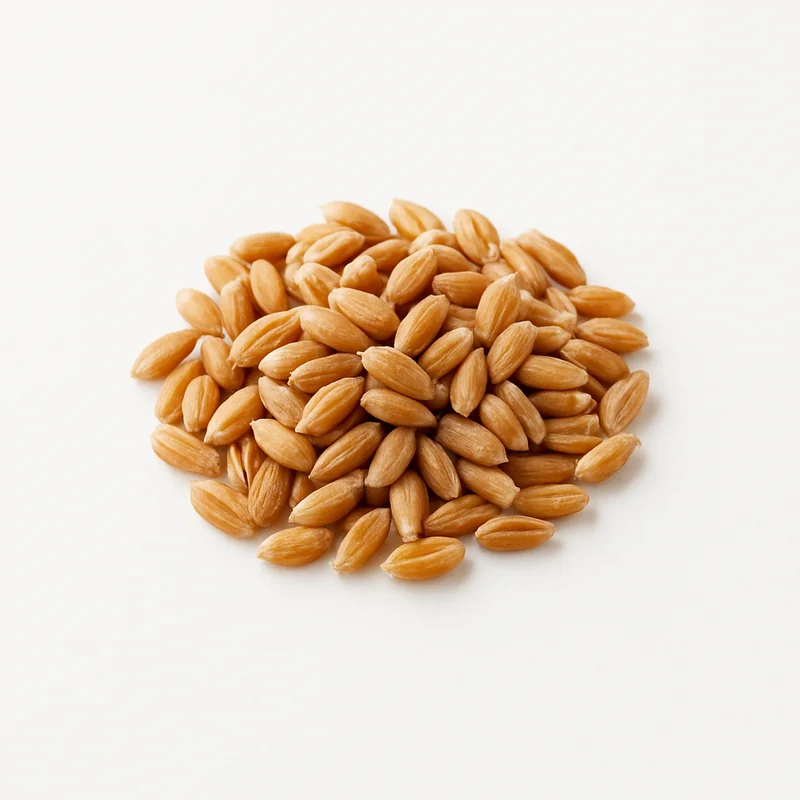
Einkorn
ScoreA
Einkorn is an ancient hulled wheat variety with a distinctive nutty flavor, offering notably high protein (15.1g per 100g) and exceptional micronutrient density compared to modern bread wheat varieties.
Why Einkorn scores 85
% Daily Value per ½ cup (50 g)
Nutrition
per 100 g
Health benefits
Enhanced mineral bioavailability and bone health support
moderate evidenceHigh phosphorus and magnesium content supports calcium utilization and bone mineralization; lower phytic acid levels in einkorn compared to modern wheat improve mineral absorption efficiency
Improved glycemic control and metabolic health
strong evidenceHigh dietary fiber (8.91g) slows glucose absorption, promoting stable blood sugar and supporting insulin sensitivity; fiber feeds beneficial gut bacteria producing short-chain fatty acids
Reduced inflammatory response potential
moderate evidenceSimpler gluten structure and higher polyphenol content may trigger less intestinal inflammation than modern hexaploid wheat; antioxidants reduce systemic inflammatory markers
Improved cardiovascular and cognitive function
moderate evidenceLutein and zeaxanthin accumulate in retina and brain tissue, protecting against age-related cognitive decline and supporting cerebrovascular health through antioxidant mechanisms
Sustained energy and muscle protein synthesis
strong evidenceHigh protein content (15.1g per 100g) with complete amino acid profile supports muscle maintenance during aging; complex carbohydrates provide steady glucose for mitochondrial function
Pairs well with
- ·Pair with legumes (lentils, chickpeas) because lysine in legumes complements methionine in einkorn, creating complete protein profiles optimal for muscle maintenance
- ·Combine with olive oil because fat-soluble vitamins (lutein, zeaxanthin) require dietary lipids for intestinal absorption and transport
- ·Serve with cruciferous vegetables (broccoli, kale) because sulfur compounds enhance polyphenol metabolism and support phase II detoxification pathways
- ·Mix with seeds (pumpkin, sunflower) because additional zinc, selenium, and vitamin E amplify antioxidant capacity and mineral density
- ·Pair with fermented foods (yogurt, tempeh) because probiotics reduce residual anti-nutrient compounds and improve overall mineral bioavailability
Practical tips
- ·Best timing: midday
- ·Purchase whole einkorn grain or flour from specialty suppliers; verify absence of modern wheat contamination if sensitive, as cross-breeding is rare but possible in commercial supply chains
- ·Store whole einkorn grain in airtight containers at room temperature for up to 12 months; refrigerate flour to prevent rancidity of its higher lipid content
- ·Soak or sprout einkorn overnight before cooking to reduce phytic acid by 20-30%, further enhancing mineral absorption
- ·Cook einkorn grain at a 1:3 grain-to-water ratio for 30-40 minutes until tender; traditionally hulled einkorn requires more water than modern wheat berries
- ·Mill whole einkorn grain fresh when possible for maximum polyphenol and antioxidant preservation; use within 2 weeks of milling for optimal nutritional density
Related foods
What is Einkorn actually covering?
See which nutrients your diet already delivers and which ones your supplements still need to — food and pills measured on the same scale.
Check my nutrients2 questions · free · no account needed to start
Also on iPhone — get the free app
Evidence-based supplement guides, no spam
We send a short digest when new guides drop — nothing else. No affiliate pushes, no sponsored content, unsubscribe anytime.