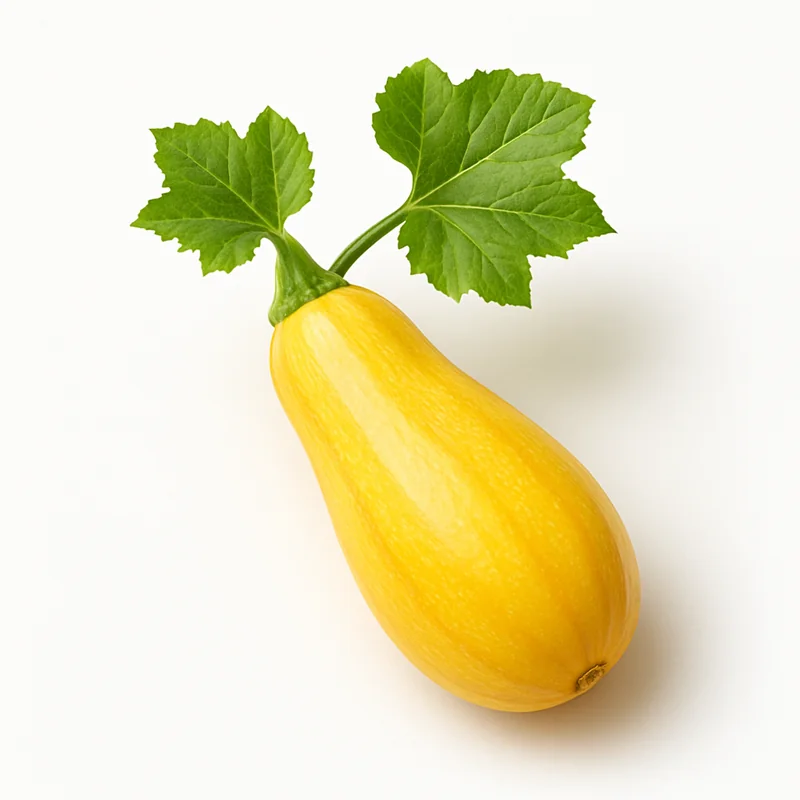
Squash
ScoreA+
Squash is a nutrient-dense, low-calorie vegetable rich in potassium, fiber, and antioxidant compounds that support cardiovascular health and metabolic function.
Why Squash scores 91
% Daily Value per ½ cup (85 g)
Nutrition
per 100 g
Health benefits
Supports cardiovascular health through potassium-mediated blood pressure regulation
strong evidencePotassium balances sodium levels and reduces vascular tension, decreasing hypertension risk and arterial stiffness
Protects vision and reduces age-related macular degeneration risk
strong evidenceLutein and zeaxanthin accumulate in the macula and filter harmful blue light, preventing photoxidative damage
Improves glycemic control and supports metabolic health
moderate evidenceSoluble fiber slows gastric emptying and glucose absorption, preventing blood sugar spikes and supporting insulin sensitivity
Enhances gut microbiota diversity and short-chain fatty acid production
moderate evidencePrebiotic fiber ferments in the colon, feeding beneficial Firmicutes and Bacteroidetes species that produce butyrate
Supports immune function and cellular repair through antioxidant activity
moderate evidenceBeta-carotene (winter squash) and other carotenoids neutralize reactive oxygen species and support T-cell differentiation
Pairs well with
- ·Pair with olive oil because fat-soluble carotenoids (lutein, zeaxanthin, beta-carotene) require dietary lipids for optimal absorption
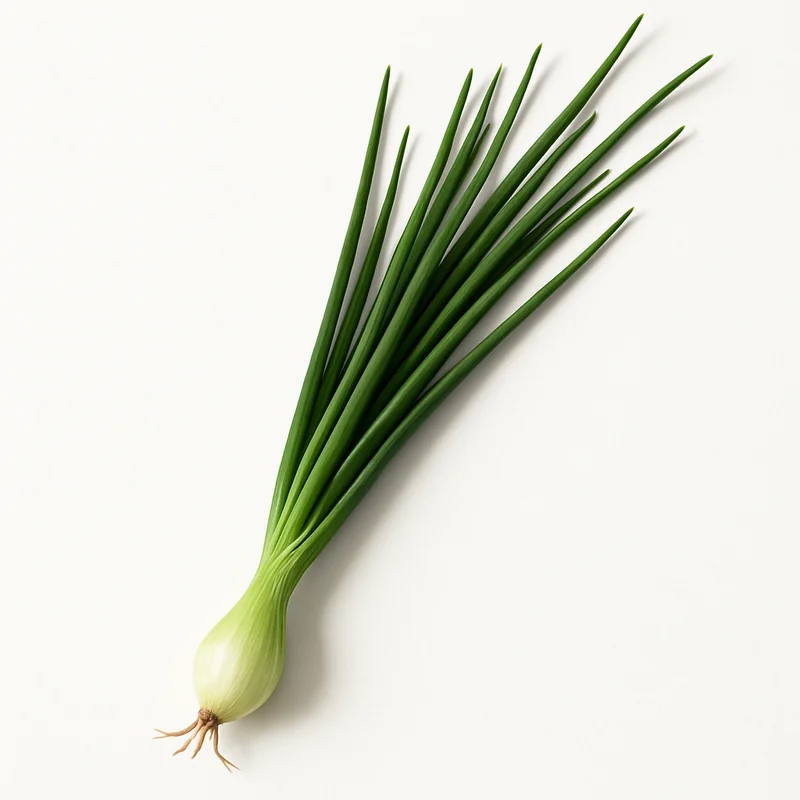
- ·Combine with garlic and onions because their sulfur compounds enhance antioxidant bioavailability and provide synergistic antimicrobial benefits
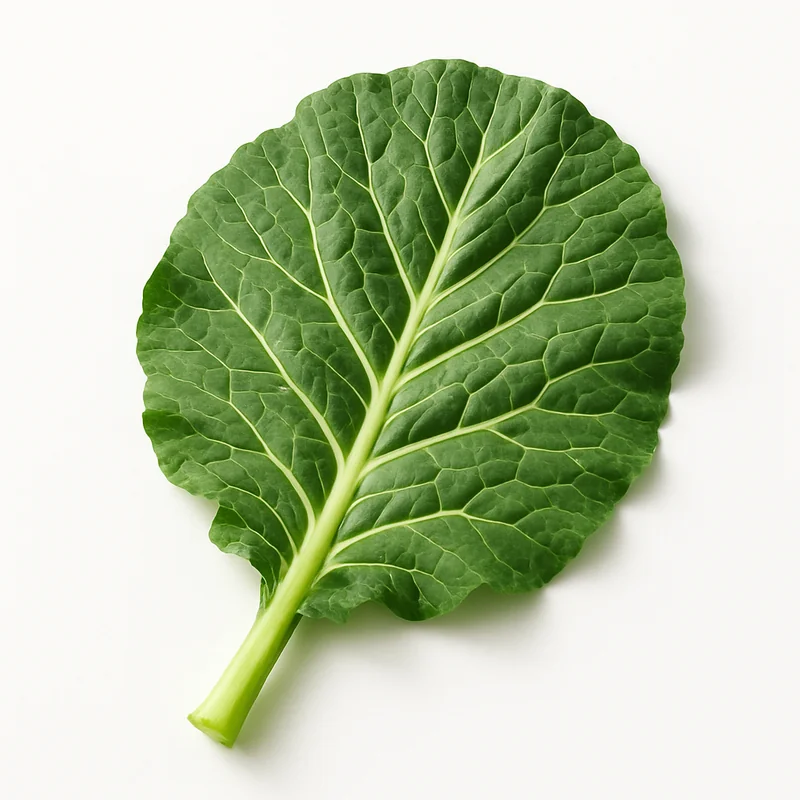
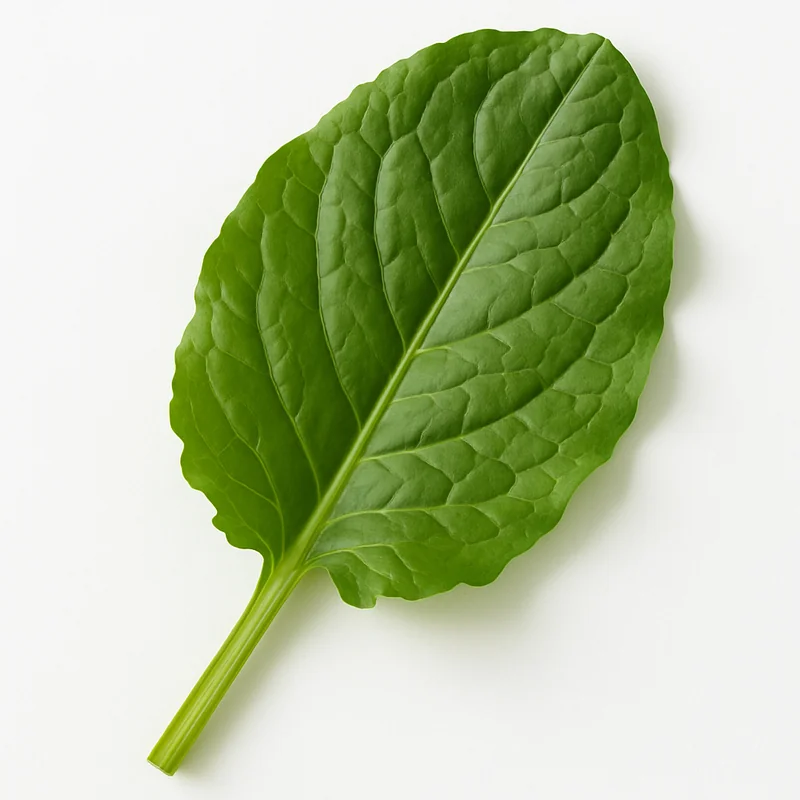
- ·Serve with leafy greens (spinach, kale) because this creates a complementary micronutrient profile: squash provides potassium and fiber while greens add folate and additional carotenoids
- ·Pair with legumes (lentils, chickpeas) because this creates a complete amino acid profile and amplifies fiber and mineral content for sustained satiety
Practical tips
- ·Best timing: Squash contains minimal simple sugars and pairs well with both protein sources and healthy fats, making it suitable for any meal. Evening consumption is particularly beneficial due to fiber content supporting overnight metabolic processes and gut health.
- ·Choose winter squashes with deep color saturation (darker orange/green indicates higher carotenoid concentration) and firm skin without soft spots
- ·Store winter squash in cool, dark conditions (50-60°F) for up to 3 months; store summer squash in refrigerator crisper for 5-7 days maximum
- ·Roast squash at 425°F with skin intact to preserve heat-stable compounds and create caramelized surfaces that enhance polyphenol content
- ·Consume squash seeds (especially winter varieties) as they contain manganese, magnesium, and lignans—remove, dry at low temperature, and add to salads or nut mixes
Related foods
What is Squash actually covering?
See which nutrients your diet already delivers and which ones your supplements still need to — food and pills measured on the same scale.
Check my nutrients2 questions · free · no account needed to start
Also on iPhone — get the free app
Evidence-based supplement guides, no spam
We send a short digest when new guides drop — nothing else. No affiliate pushes, no sponsored content, unsubscribe anytime.