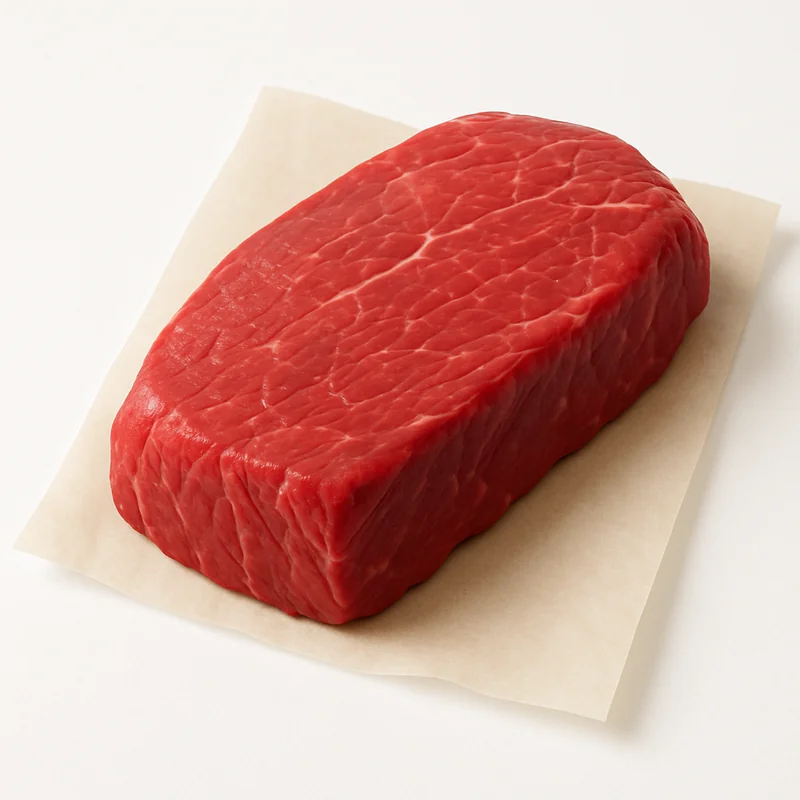
Beef
ScoreB
Beef is a nutrient-dense animal protein providing high-quality complete protein, bioavailable iron, and B vitamins essential for energy metabolism and longevity.
Why Beef scores 71
% Daily Value per 3 oz (85 g)
Nutrition
per 100 g
Health benefits
Muscle preservation and strength maintenance with age
strong evidenceComplete protein with high leucine content stimulates mTOR pathway and muscle protein synthesis; bioavailable micronutrients like zinc support protein turnover and hormonal health
Enhanced iron status and oxygen transport
strong evidenceHeme iron has superior absorption rates (15-35%) compared to plant iron; iron is essential for myoglobin, hemoglobin, and cytochrome c oxidase in mitochondrial respiration
Cognitive function and brain health
moderate evidenceCholine is a precursor for acetylcholine neurotransmitter and phosphatidylcholine in neuronal membranes; supports methylation reactions critical for neuroprotection
Antioxidant defense and cellular protection
strong evidenceSelenium enables production of selenoproteins including glutathione peroxidase and thioredoxin reductase, primary defenses against oxidative stress and lipid peroxidation
Metabolic flexibility and satiety signaling
moderate evidenceHigh protein content triggers greater thermogenesis, enhances satiety hormones (GLP-1, peptide YY), and supports metabolic rate; reduces post-meal blood glucose fluctuations
Pairs well with
- ·Pair with vitamin C-rich foods (citrus, tomatoes, peppers) to enhance non-heme iron absorption and reduce oxidative stress from iron metabolism
- ·Combine with cruciferous vegetables (broccoli, Brussels sprouts) to amplify Phase II detoxification enzyme expression and reduce heterocyclic amine formation from high-heat cooking
- ·Serve with leafy greens (spinach, arugula) to provide folate and magnesium, supporting methylation cycles and nitric oxide production for vascular health
- ·Pair with fermented foods (sauerkraut, kimchi) to optimize gut microbiota diversity and enhance nutrient absorption, particularly B vitamin synthesis
Practical tips
- ·Best timing: post-workout
- ·Select grass-fed or pasture-raised beef when possible; contains 2-3x higher omega-3 fatty acids and higher CLA compared to grain-fed, with improved fatty acid ratios
- ·Choose lean cuts (sirloin, tenderloin, 93% ground beef) to minimize saturated fat intake while maintaining micronutrient density; aim for 3-4oz portions
- ·Avoid charring at very high temperatures; use moderate heat with marinades containing antioxidants (rosemary, thyme) to reduce heterocyclic amine formation
- ·Store raw beef at 40°F or below and use within 3-4 days; freeze at 0°F for up to 4 months to preserve nutrient quality and food safety
- ·Cook to medium (160°F internal temperature) for food safety; this temperature retains micronutrients better than well-done while eliminating pathogens
Related foods
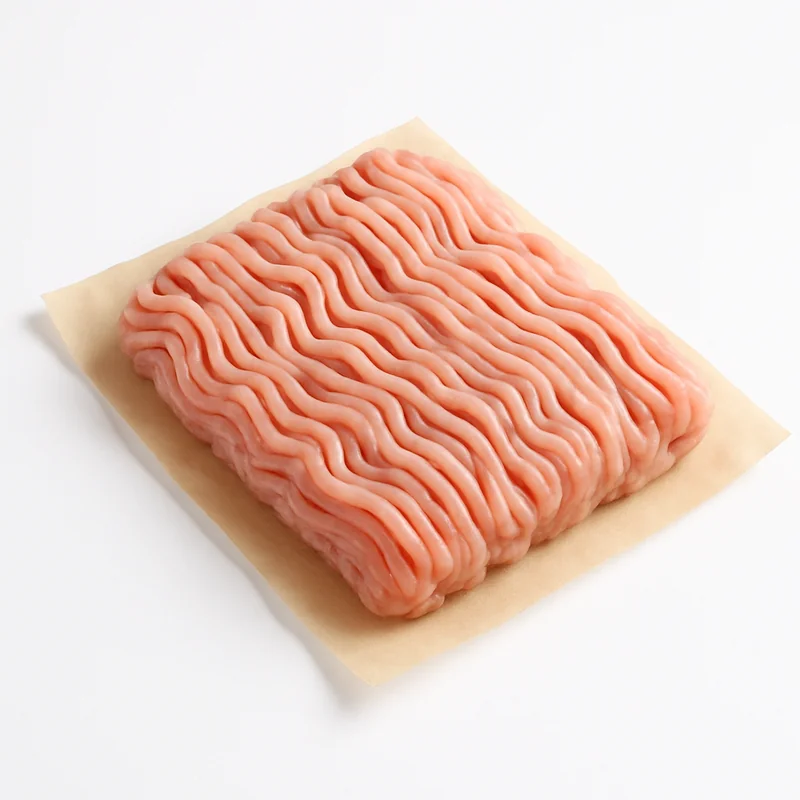
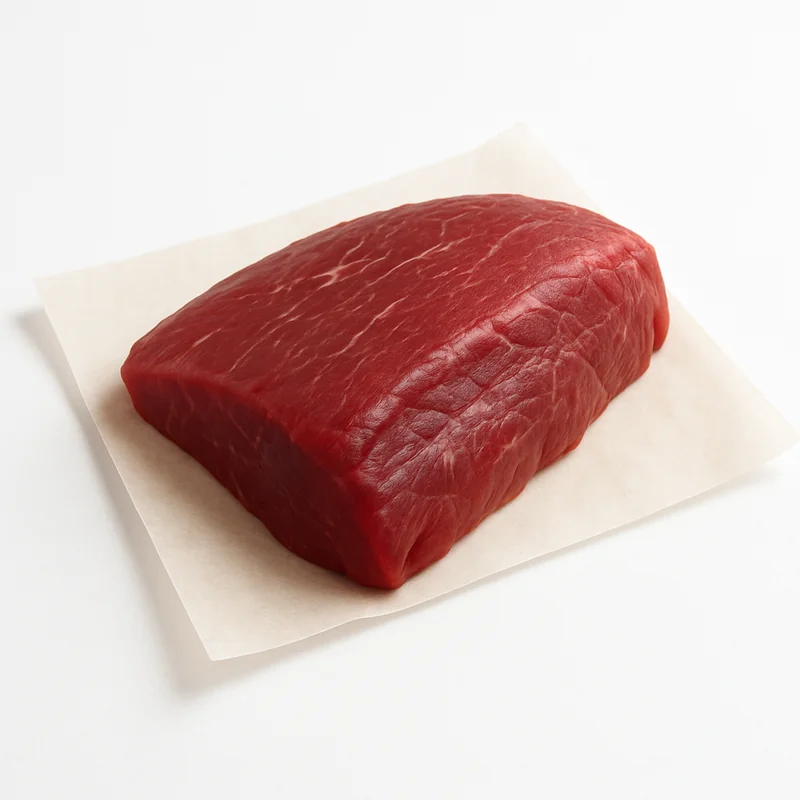
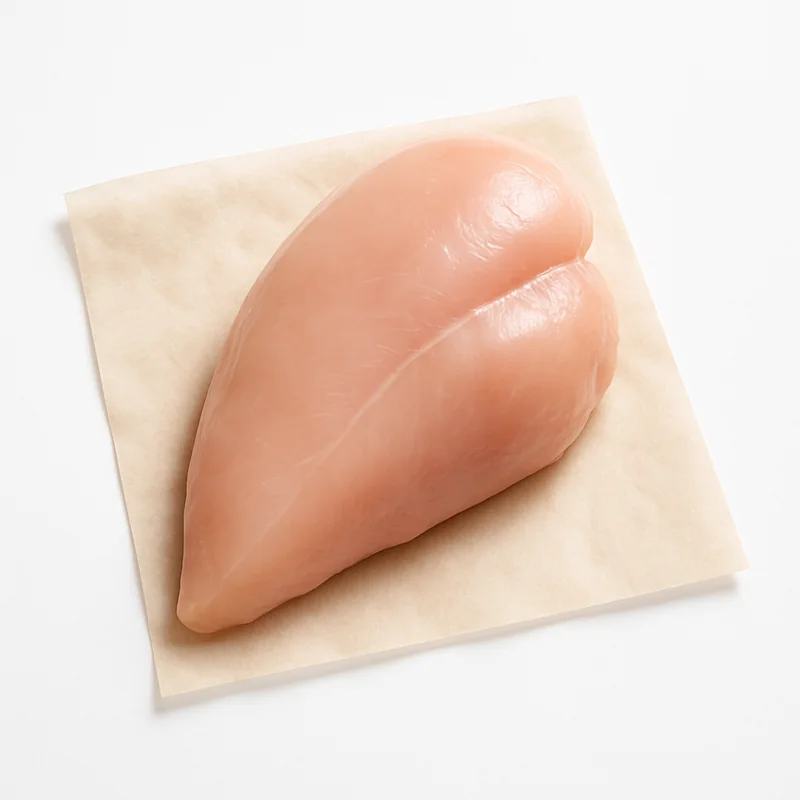
What is Beef actually covering?
See which nutrients your diet already delivers and which ones your supplements still need to — food and pills measured on the same scale.
Check my nutrients2 questions · free · no account needed to start
Also on iPhone — get the free app
Evidence-based supplement guides, no spam
We send a short digest when new guides drop — nothing else. No affiliate pushes, no sponsored content, unsubscribe anytime.