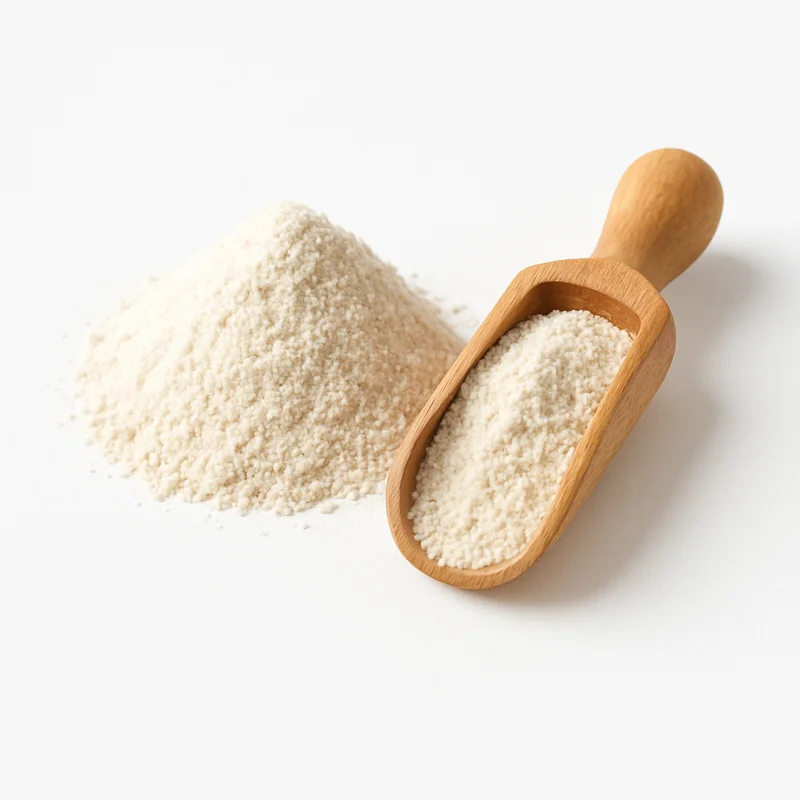
Sorghum Flour
ScoreB
Sorghum flour is a gluten-free grain flour with a mild, slightly sweet flavor and notably high fiber content. It offers substantial amounts of antioxidants, minerals, and resistant starch, making it valuable for metabolic health and sustained energy.
Why Sorghum Flour scores 65
% Daily Value per 1 oz (30 g)
Nutrition
per 100 g
Health benefits
Improved blood sugar control and reduced glycemic response
moderate evidenceHigh fiber content and resistant starch slow glucose absorption in the digestive tract, reducing postprandial insulin spikes and supporting long-term metabolic health
Enhanced antioxidant defense and reduced inflammation
moderate evidencePolyphenols and tannins in sorghum, especially in darker varieties, neutralize free radicals and suppress pro-inflammatory signaling pathways
Improved gut microbiota composition and short-chain fatty acid production
moderate evidenceResistant starch and prebiotic fiber selectively feed beneficial bacteria, increasing butyrate-producing species linked to immune function and metabolic health
Support for iron status and oxygen-carrying capacity
strong evidenceBioavailable iron (3.14mg per 100g) combines with niacin to support hemoglobin synthesis and mitochondrial function
Bone mineralization and structural integrity
moderate evidencePhosphorus, magnesium, and potassium work synergistically to support hydroxyapatite formation and maintain bone density
Pairs well with
- ·Pair with legumes (lentils, chickpeas) because complementary amino acid profiles create a complete protein, essential for muscle maintenance in aging
- ·Combine with citrus juice (lemon, orange) because vitamin C enhances non-heme iron bioavailability from sorghum flour by up to 300%
- ·Mix with leafy greens in baked goods or porridges because iron absorption is amplified by folate and chlorophyll, supporting red blood cell formation
- ·Pair with healthy fats (olive oil, seeds) because fat-soluble compound absorption is enhanced, improving polyphenol bioavailability and antioxidant uptake
Practical tips
- ·Best timing: midday
- ·Store sorghum flour in an airtight container in a cool, dark place or refrigerate after opening to prevent oxidation of polyphenols and maintain nutritional density for up to 6 months
- ·Blend sorghum flour 50/50 with wheat or other flours in baking to maintain familiar texture while increasing fiber intake by 3-4g per serving
- ·Select darker sorghum varieties (red or black) over light varieties to maximize polyphenol and antioxidant content by 2-3 fold
- ·Use sorghum flour in porridges, energy balls, or flatbreads where its slightly grainy texture is an asset rather than a limitation
- ·Start with small portions (25-30g) if transitioning from refined grains to allow gut microbiota to adapt to increased fiber content
Related foods
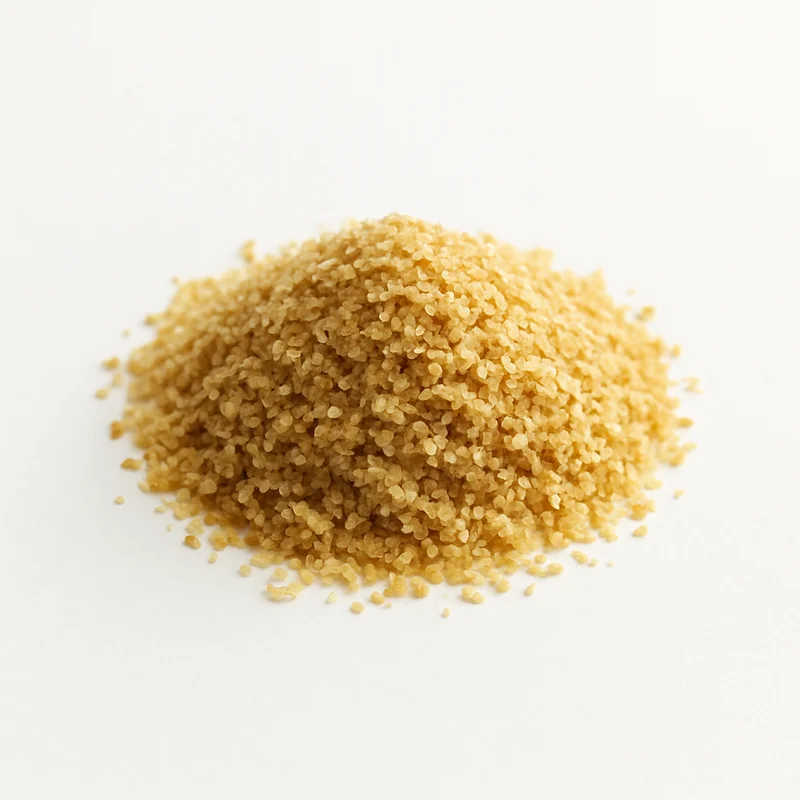
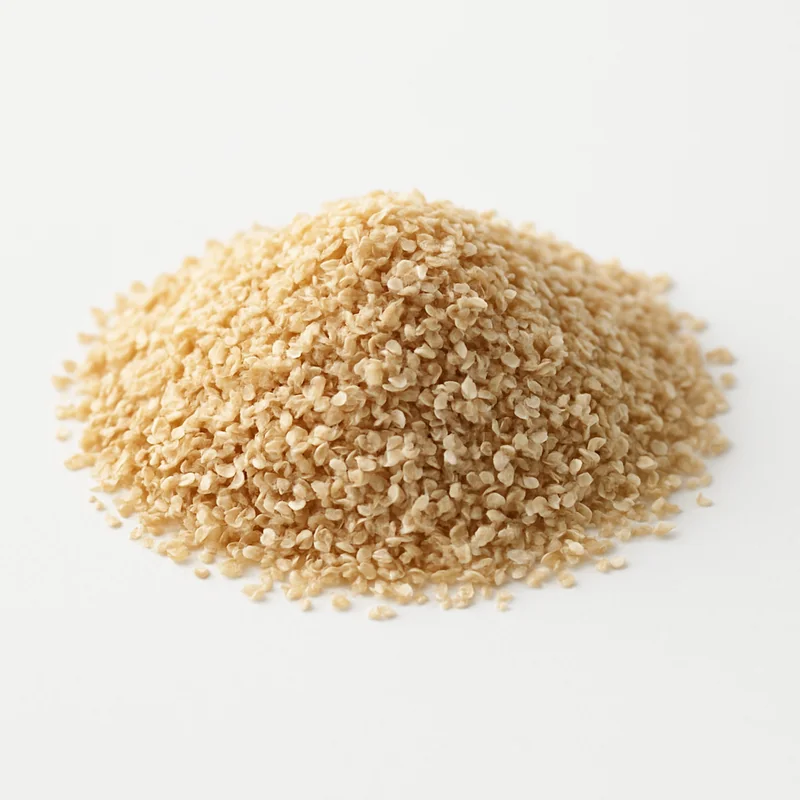
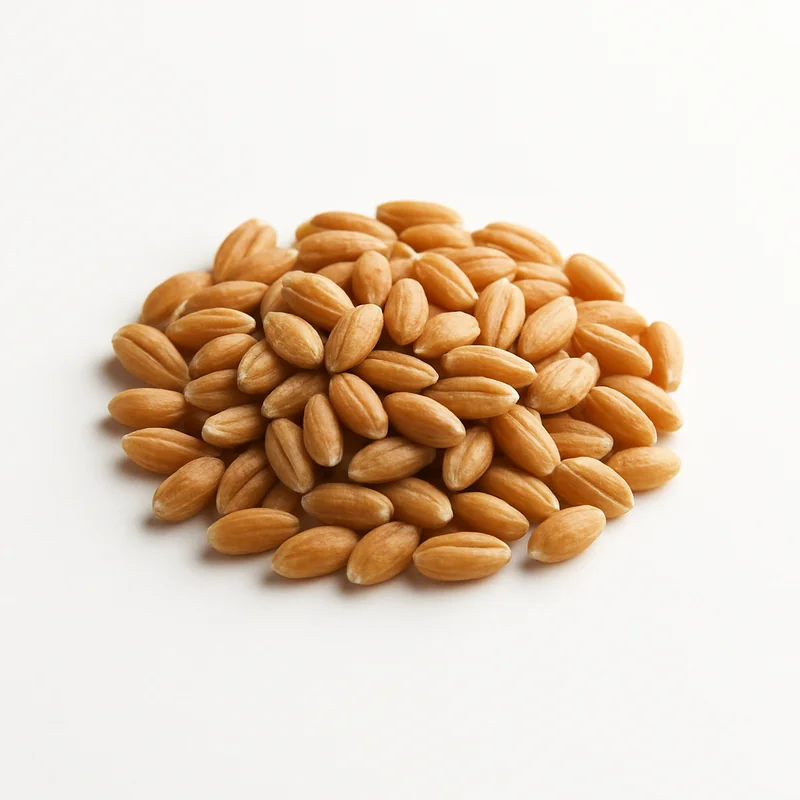
What is Sorghum Flour actually covering?
See which nutrients your diet already delivers and which ones your supplements still need to — food and pills measured on the same scale.
Check my nutrients2 questions · free · no account needed to start
Also on iPhone — get the free app
Evidence-based supplement guides, no spam
We send a short digest when new guides drop — nothing else. No affiliate pushes, no sponsored content, unsubscribe anytime.