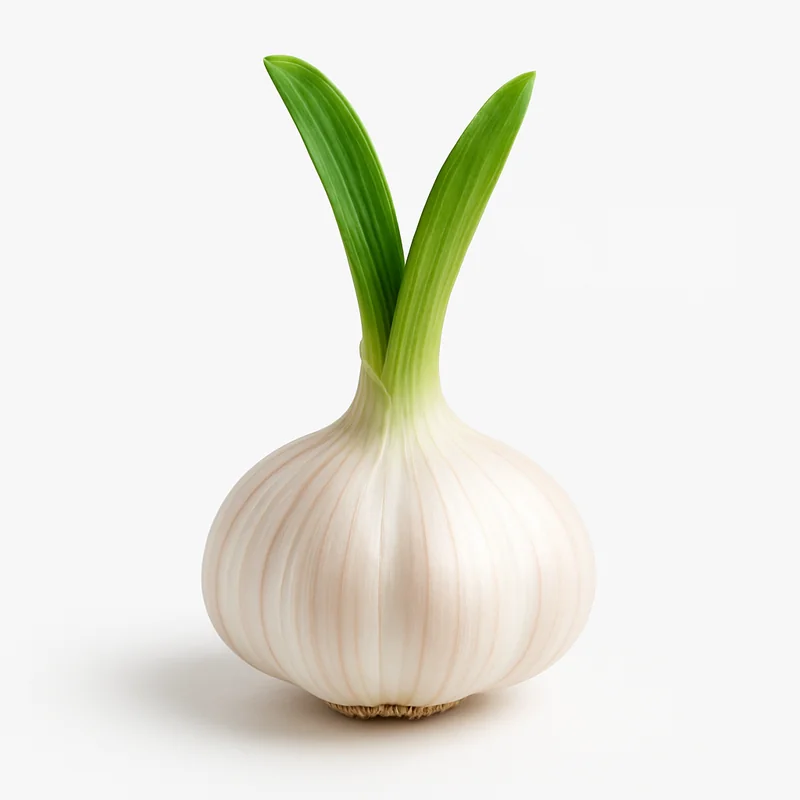
Garlic
ScoreA
Garlic is a pungent bulb vegetable rich in sulfur-containing compounds, particularly allicin, which forms when cloves are crushed or chopped and is the primary source of its potent health-promoting properties.
Why Garlic scores 89
% Daily Value per ½ cup (85 g)
Nutrition
per 100 g
Health benefits
Cardiovascular support and blood pressure reduction
moderate evidenceAllicin and related compounds promote nitric oxide production in endothelial cells, improving vasodilation and reducing arterial stiffness while modulating platelet aggregation
Reduced inflammatory markers and immune modulation
moderate evidenceSulfur compounds activate macrophages and natural killer cells while suppressing NF-κB inflammatory signaling pathways
Lipid profile improvement
moderate evidenceOrganosulfur compounds inhibit cholesterol synthesis in hepatocytes and increase LDL particle size, shifting toward less atherogenic profiles
Enhanced antioxidant defense
moderate evidenceSulfur compounds upregulate glutathione S-transferase and other Phase II detoxification enzymes, increasing cellular antioxidant capacity
Potential neuroprotection and cognitive support
emerging evidenceS-allylcysteine (particularly abundant in aged garlic) crosses the blood-brain barrier and reduces neuroinflammation and amyloid-related pathology in preliminary models
Pairs well with
- ·Pair with olive oil because fat-soluble absorption of garlic's compounds is enhanced, and olive oil's polyphenols provide synergistic anti-inflammatory effects
- ·Combine with cruciferous vegetables (broccoli, Brussels sprouts) because both contain glucosinolates and sulfur compounds that work additively to enhance detoxification enzyme expression
- ·Pair with tomatoes because lycopene absorption is enhanced by garlic's organosulfur compounds, and both support cardiovascular and anti-inflammatory pathways
- ·Combine with turmeric because curcumin and allicin both inhibit NF-κB signaling, creating multiplicative anti-inflammatory effects
Practical tips
- ·Best timing: Garlic's benefits accumulate with regular, consistent consumption throughout the day rather than depending on specific timing. Raw or minimally-cooked garlic with meals improves overall food absorption and tolerability.
- ·Crush or mince garlic and let it rest 5-10 minutes before cooking to allow alliinase enzyme to convert alliin into allicin; this maximizes bioactive compound formation before heat inactivates the enzyme
- ·Consume garlic raw or minimally cooked when possible, as prolonged cooking (>15 minutes) significantly degrades heat-sensitive allicin; add minced garlic at the end of cooking
- ·For maximum consistency in benefits, aim for 2-4 cloves daily (approximately 6-12 grams fresh weight); this provides 2-5 mg of allicin equivalent
- ·Select firm, unblemished bulbs with papery skin and store in cool, dark, well-ventilated conditions to maintain potency; avoid refrigeration which accelerates sprouting
- ·Consider aged garlic extract as a stable alternative if raw garlic causes digestive distress; it retains S-allylcysteine and other beneficial compounds while being better tolerated
Related foods
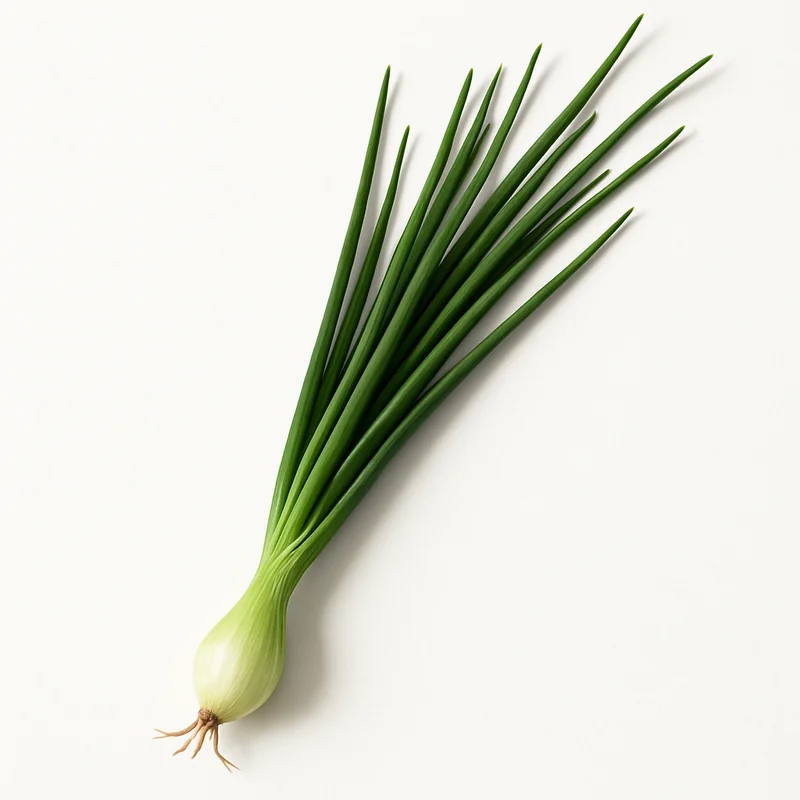
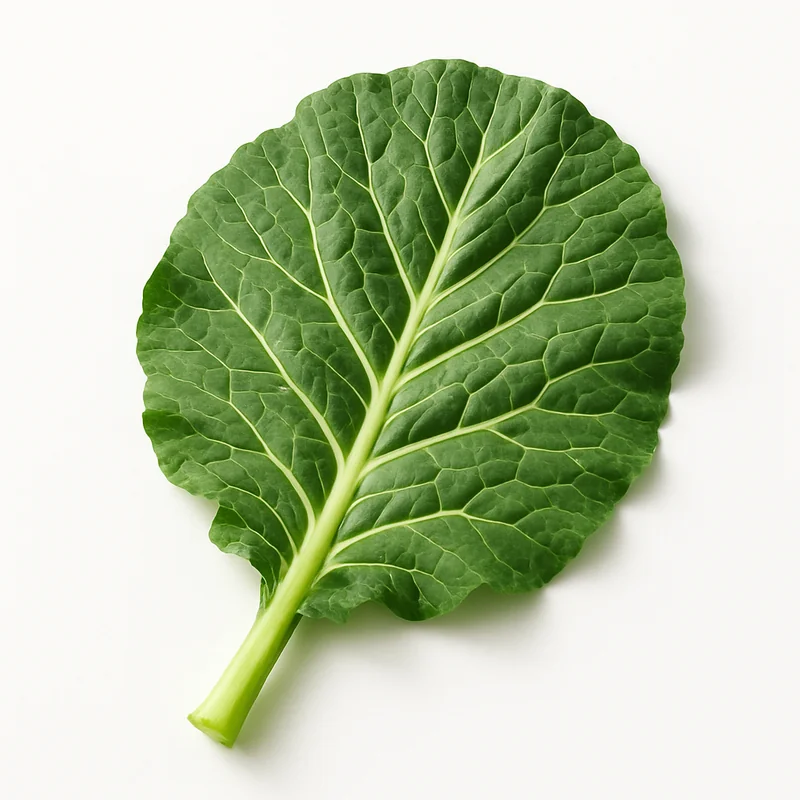
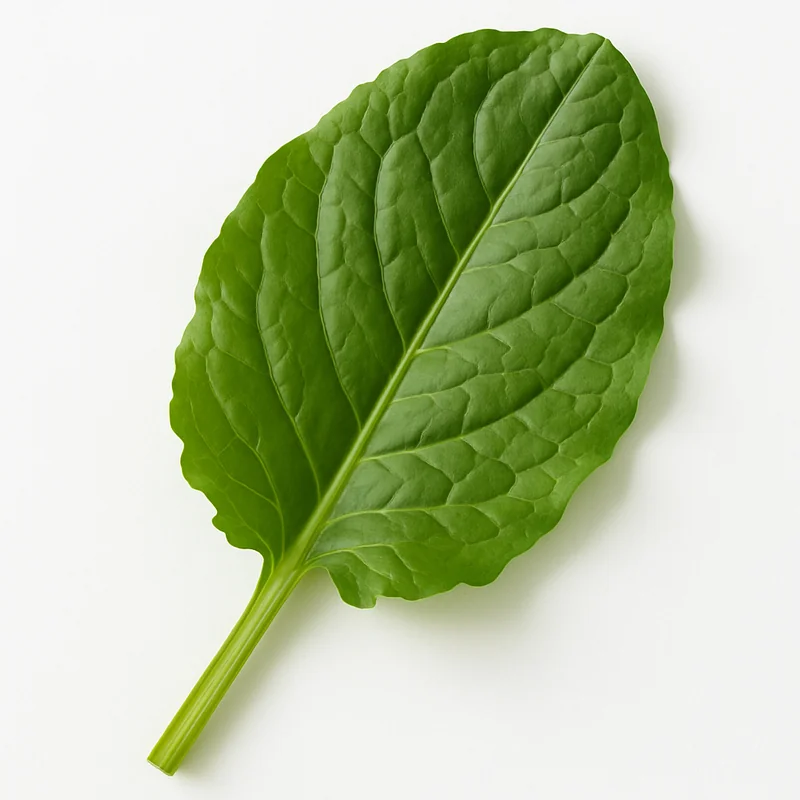
What is Garlic actually covering?
See which nutrients your diet already delivers and which ones your supplements still need to — food and pills measured on the same scale.
Check my nutrients2 questions · free · no account needed to start
Also on iPhone — get the free app
Evidence-based supplement guides, no spam
We send a short digest when new guides drop — nothing else. No affiliate pushes, no sponsored content, unsubscribe anytime.