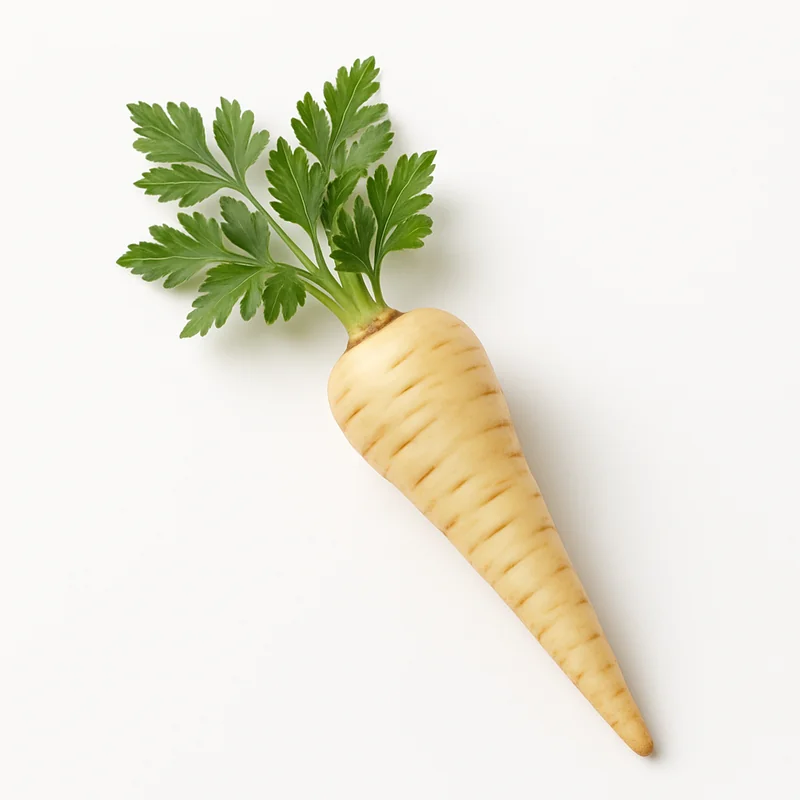
Parsnip
ScoreA+
Parsnip is a starchy root vegetable rich in soluble fiber and potassium, offering gentle digestive support and cardiovascular benefits with a naturally sweet flavor profile.
Why Parsnip scores 90
% Daily Value per ½ cup (85 g)
Nutrition
per 100 g
Health benefits
Supports cardiovascular health through potassium and fiber content
strong evidencePotassium reduces arterial sodium retention and supports healthy blood pressure; soluble fiber (inulin) helps reduce LDL cholesterol levels by binding bile acids in the digestive tract
Promotes healthy blood glucose regulation and metabolic flexibility
moderate evidenceSoluble fiber slows gastric emptying and glucose absorption, preventing rapid blood sugar spikes; inulin acts as a prebiotic, supporting beneficial bacteria that improve insulin sensitivity
Enhances gut microbiota diversity and digestive health
moderate evidenceInulin (a fructan) serves as a prebiotic, selectively feeding beneficial bacteria like Bifidobacterium and Faecalibacterium, improving microbial diversity associated with longevity
Supports bone health through vitamin K and mineral content
moderate evidenceVitamin K (22.5mcg per 100g) activates osteocalcin for bone mineralization; combined phosphorus, magnesium, and calcium support skeletal structural integrity
Provides anti-inflammatory and antioxidant activity through phytochemicals
emerging evidenceFalcarinol and falcarindiol (polyacetylene compounds) demonstrate antimicrobial and anti-inflammatory effects in in vitro and animal studies; vitamin C and vitamin E provide oxidative stress protection
Pairs well with
- ·Pair with olive oil when roasting: fat-soluble vitamin K absorption increases significantly with dietary fat; olive oil's polyphenols enhance anti-inflammatory effects
- ·Combine with aged garlic or fresh ginger: compounds in these foods synergize with parsnip's falcarinol for enhanced antimicrobial activity; ginger's gingerols and garlic's allicin complement cardiovascular benefits
- ·Serve alongside leafy greens (spinach, kale): maximizes mineral bioavailability through vitamin C content; parsnip's fiber supports absorption of the greens' iron and calcium
- ·Pair with legumes (lentils, chickpeas) in soups: complementary amino acid profiles create complete protein; combined fiber and resistant starch slow digestion and feed beneficial microbiota
Practical tips
- ·Best timing: midday
- ·Choose firm parsnips with unblemished skin and no soft spots; store unwashed in a cool, dark place or refrigerator crisper for up to 3-4 weeks
- ·Remove the bitter core from larger parsnips (cut lengthwise and scoop out center) to improve palatability; smaller parsnips have less pronounced cores
- ·Roast at 400°F for 25-30 minutes after tossing with olive oil and sea salt to develop natural sweetness while preserving heat-sensitive vitamin C; avoid boiling, which leaches water-soluble nutrients
- ·Include the skin when possible, as outer layers contain concentrated phytochemicals; simply scrub thoroughly under running water before cooking
- ·Raw parsnip consumption is safe and delivers maximum enzyme content, though cooked preparations may enhance inulin fermentation benefits for prebiotic effects
Related foods
What is Parsnip actually covering?
See which nutrients your diet already delivers and which ones your supplements still need to — food and pills measured on the same scale.
Check my nutrients2 questions · free · no account needed to start
Also on iPhone — get the free app
Evidence-based supplement guides, no spam
We send a short digest when new guides drop — nothing else. No affiliate pushes, no sponsored content, unsubscribe anytime.