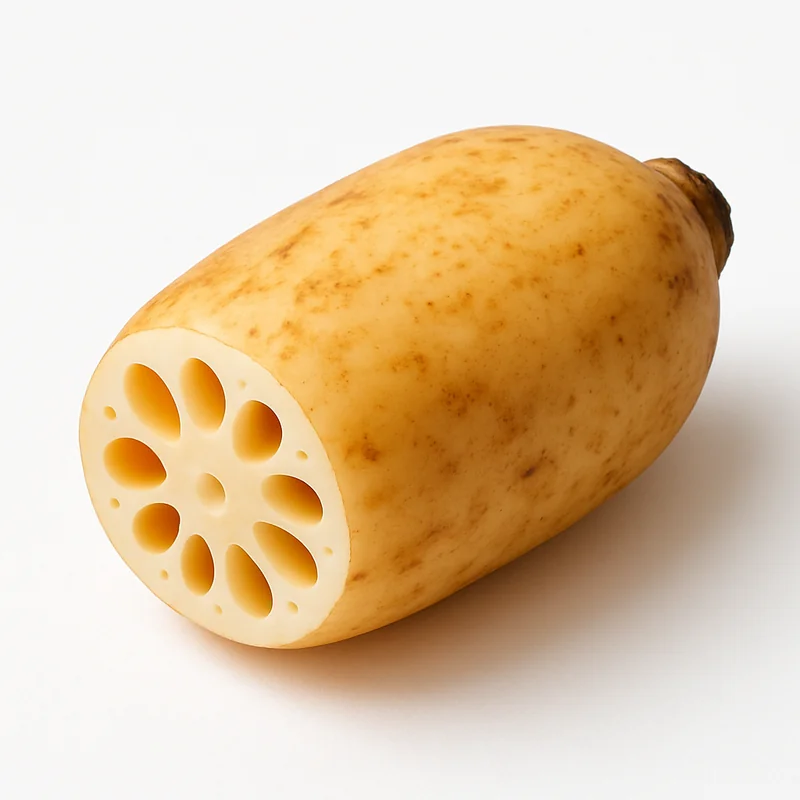
Lotus Root
ScoreA+
Lotus root is a starchy vegetable with a crisp, slightly sweet flavor and high fiber content that supports digestive health and stable blood glucose levels.
Why Lotus Root scores 92
% Daily Value per ½ cup (85 g)
Nutrition
per 100 g
Health benefits
Supports glycemic control and stable blood sugar
moderate evidenceHigh fiber content (4.9g/100g) and resistant starch slow glucose absorption, preventing insulin spikes that accelerate aging and metabolic dysfunction
Promotes healthy gut microbiota and digestive function
moderate evidencePrebiotic fiber and resistant starch feed beneficial bacteria, enhancing short-chain fatty acid production which strengthens gut barrier integrity
Reduces oxidative stress and inflammation
moderate evidencePolyphenolic compounds (catechin, quercetin, tannic acid) act as antioxidants, neutralizing free radicals implicated in aging and chronic disease
Supports cardiovascular health and blood pressure regulation
moderate evidenceHigh potassium-to-sodium ratio (14:1) promotes vasodilation and counteracts sodium-induced hypertension; fiber helps reduce cholesterol
Enhances iron bioavailability and oxygen transport
moderate evidenceContains 1.16mg iron per 100g plus vitamin C (44mg), which significantly enhances non-heme iron absorption for improved hemoglobin synthesis
Pairs well with
- ·Pair with citrus juice or vitamin C-rich vegetables (bell peppers, broccoli) to enhance iron absorption through synergistic acid and vitamin C content
- ·Combine with healthy fats (olive oil, sesame oil) to increase absorption of fat-soluble compounds and polyphenols present in lotus root
- ·Mix with fermented foods (miso, sauerkraut, kimchi) to synergistically enhance gut microbiota diversity and prebiotic fiber benefits
- ·Pair with leafy greens (spinach, kale) to amplify mineral density and create a micronutrient-dense, anti-inflammatory meal
- ·Cook with turmeric and black pepper to boost curcumin bioavailability and leverage combined antioxidant and anti-inflammatory effects
Practical tips
- ·Best timing: midday
- ·Select firm, unblemished lotus roots without soft spots; store in a cool, dark place or refrigerator for up to 2 weeks in a paper bag to maintain crispness
- ·Peel fresh lotus root just before cooking to minimize oxidation and nutrient loss; blanch peeled roots in water with lemon juice to prevent discoloration
- ·Lightly stir-fry or steam lotus root for 5-8 minutes to preserve fiber structure and water-soluble vitamin C; overcooking compromises textural appeal and some nutrients
- ·Include lotus root skin (if organic and clean) in soups or broths, as tannins and polyphenols concentrate in the outer layer
- ·Consume cooked lotus root within 2-3 days as prepared dishes lose fiber integrity and oxidative-stress-fighting compounds over time
Related foods
What is Lotus Root actually covering?
See which nutrients your diet already delivers and which ones your supplements still need to — food and pills measured on the same scale.
Check my nutrients2 questions · free · no account needed to start
Also on iPhone — get the free app
Evidence-based supplement guides, no spam
We send a short digest when new guides drop — nothing else. No affiliate pushes, no sponsored content, unsubscribe anytime.